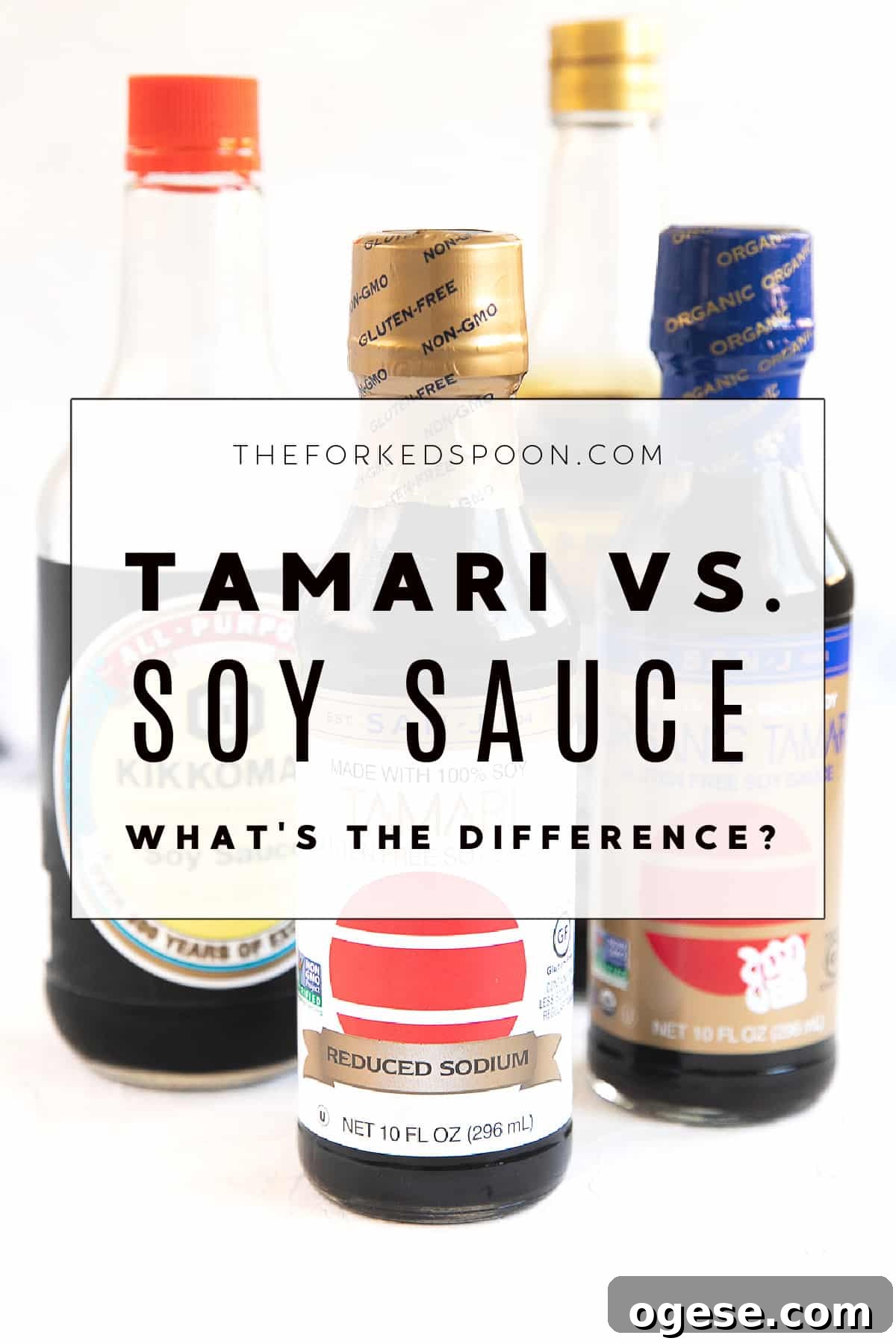
Every culture brings a signature sauce to the global table. From South America’s zesty chimichurri to France’s rich roux, sauces transform simple ingredients into memorable meals. This article explains the differences between tamari and soy sauce, two longstanding Asian condiments that often get confused.
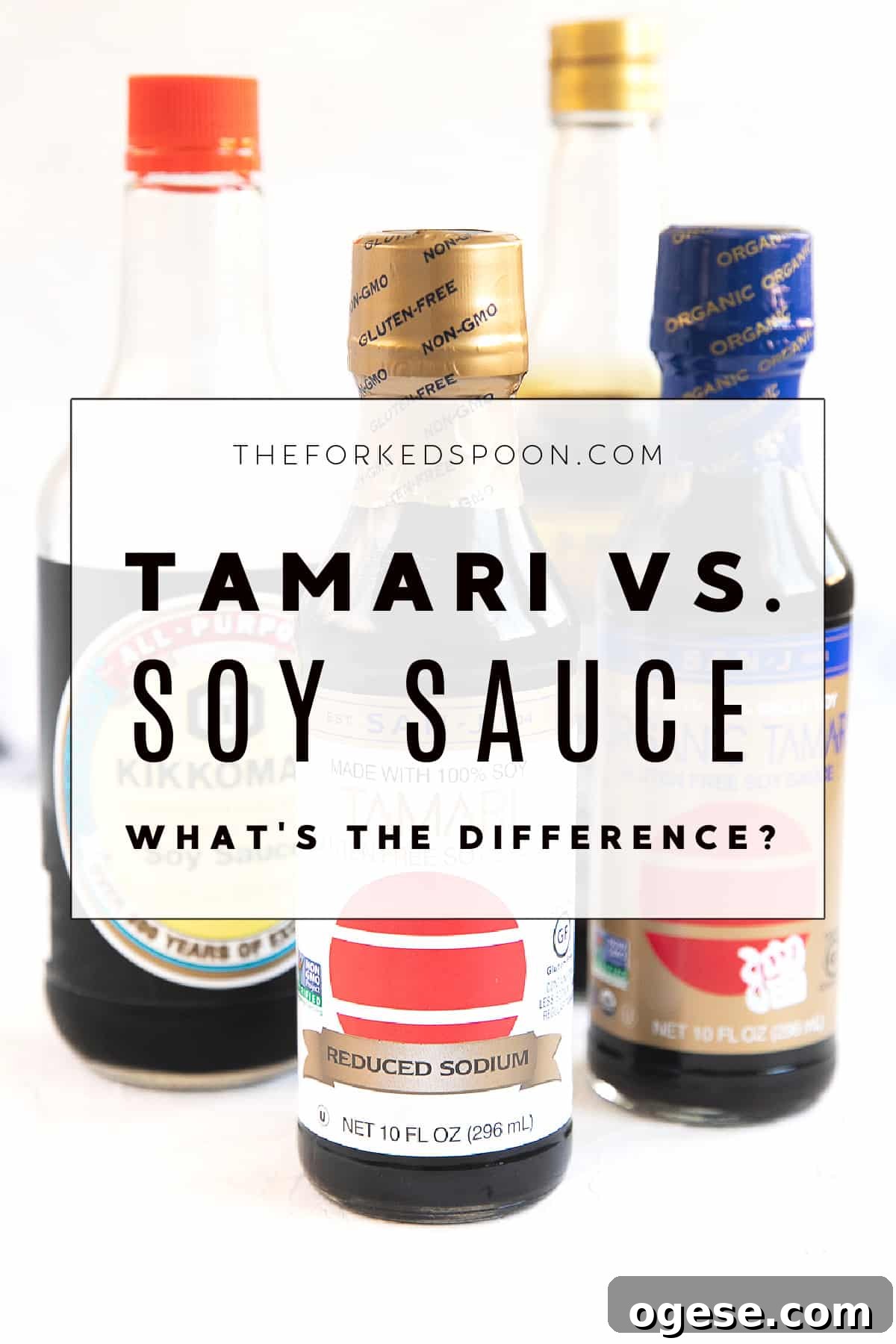
Table of Contents
- Soy Sauce vs. Tamari: Key Attributes
- History
- Nutrition
- How to Use
- Conclusions
- More Kitchen Tips
At The Forked Spoon, we value sauces for the depth and brightness they bring to dishes. Many great sauces need only a handful of ingredients to lift a meal. Tamari and soy sauce have coexisted and evolved for centuries, and while they share a soybean origin, their production, flavor profiles, and culinary roles differ in meaningful ways.
Soy Sauce vs. Tamari: Key Attributes
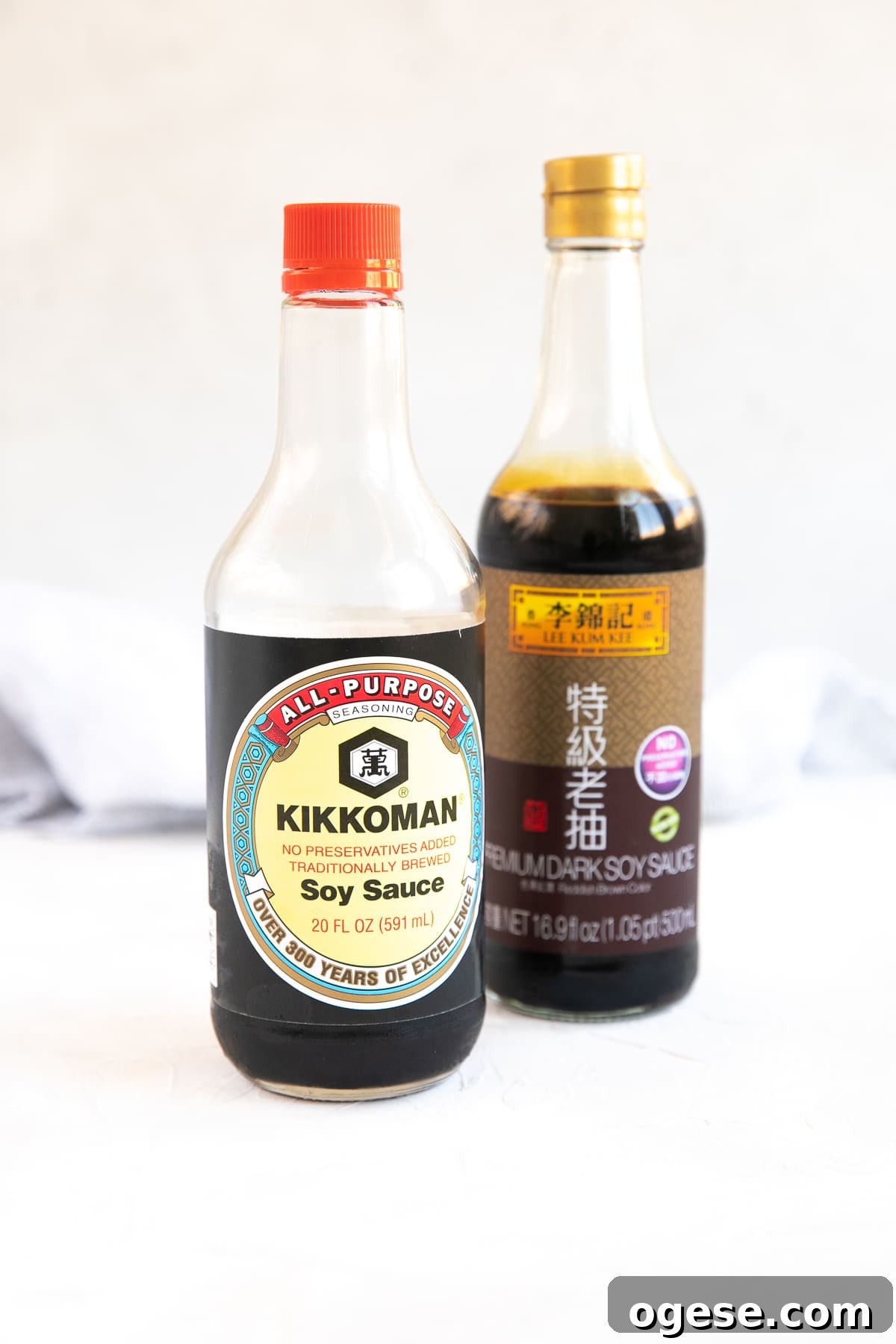
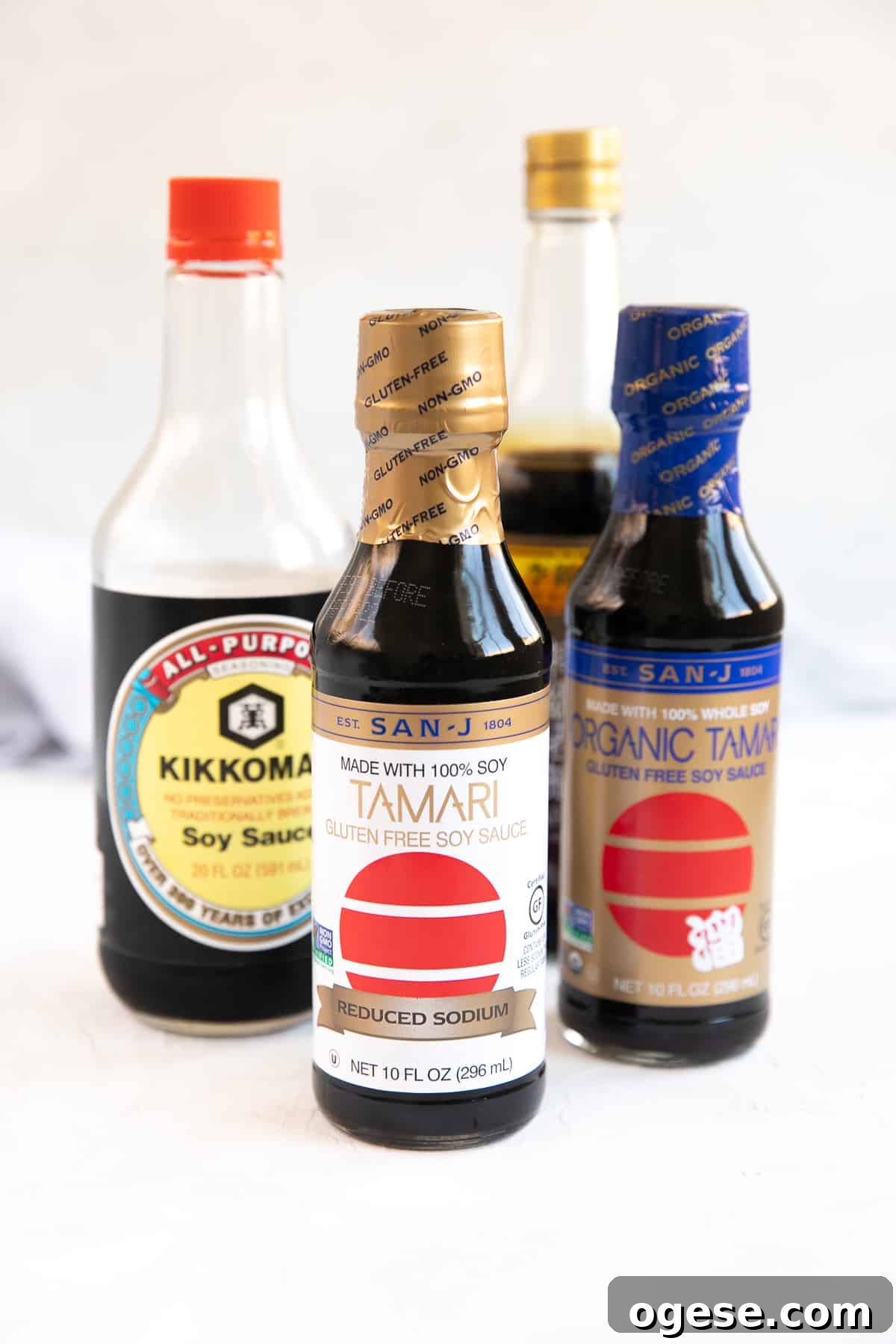
Both tamari and soy sauce are derived from soybeans, but the production process is the main distinction. Traditional soy sauce is typically fermented from a mixture of soybeans and wheat, producing a thin, salty liquid that is familiar in many kitchens.
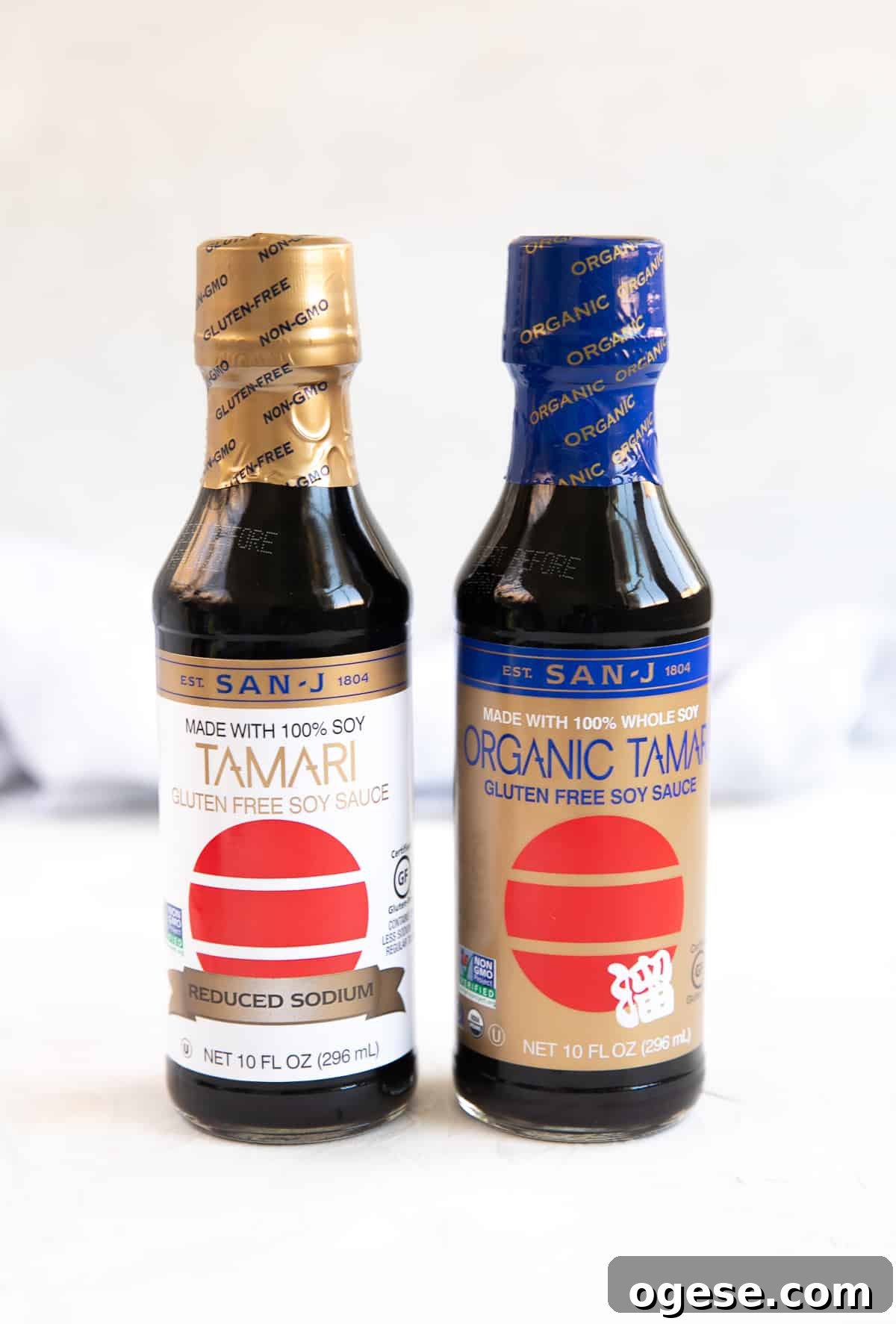
Tamari is usually made from a higher proportion of fermented soybeans with little or no wheat. This yields a thicker, richer liquid with pronounced umami notes reminiscent of roasted meats and aged cheeses. Tamari often originates from the byproduct of miso production in Japan and tends to have fewer additives when traditionally made.
When comparing the two by taste and texture, soy sauce is generally thinner and saltier, while tamari is darker, thicker, and less saline. Labels that state “naturally brewed” indicate a traditional fermentation process that takes months or years. Avoid products that don’t reference brewing if you want authentic flavor—some quick commercial versions rely on chemical additives and shortcuts.
History
The history of fermented soybean condiments dates back millennia. Early records from East Asia describe soybean fermentation used for preserving and flavoring food. Over centuries, variations and names evolved—terms like shoyu, soya, and soy sauce appear in records as the products spread across China, Korea, and Japan. Each region adapted techniques and tastes, producing a range of soy-based condiments.
Tamari emerged as a distinctive Japanese product tied to miso production and became a common culinary staple. As global trade expanded, these sauces traveled to the West and eventually became pantry essentials worldwide. Today, the soy sauce market continues to expand, driven by both traditional and modern production methods and rising international demand.
Nutrition
Neither tamari nor soy sauce contributes many calories. A tablespoon of tamari typically contains around 15 calories, while a tablespoon of traditionally brewed soy sauce has about 10 calories. The more important nutritional consideration is sodium: both sauces are high in salt and can deliver a substantial portion of the recommended daily limit in just a small serving.
If you are watching your sodium intake, look for reduced-sodium versions of either product. Another important difference involves gluten: tamari is often gluten-free when made without wheat, making it a preferred choice for people with celiac disease or gluten sensitivity. Standard soy sauce, made with wheat, is not suitable for strict gluten-free diets or for those following paleo or ketogenic plans that avoid grains.
Traditional, naturally brewed soy products may also contain beneficial compounds resulting from fermentation. If avoiding additives and chemicals is a priority, carefully chosen tamari or naturally-brewed soy sauce are good options.
How to Use
Both sauces are versatile and can be used as seasoning, marinade, or dipping sauce. A few dashes go a long way to enhance meats, vegetables, and grains. Tamari’s thicker texture and milder saltiness make it an excellent dip for sushi, gyoza, and other delicate items where you want the sauce to cling without overwhelming the primary flavors.
Tamari also works well when roasting nuts or chickpeas, as it coats and caramelizes while adding deep umami. Traditional soy sauce is often the base for more complex sauces—teriyaki, stir-fry sauces, and braising liquids benefit from its punchy saltiness and aroma. Keeping a variety of soy-based sauces—light, dark, and low-sodium—allows you to match the sauce to the recipe.
Both sauces can be used creatively beyond Asian dishes: a splash in dressings, browning batters, soups, and even savory baking can provide subtle depth. Start with small amounts and adjust to taste, since their concentrated flavors can quickly dominate a dish.
Conclusions
There is no single winner in the tamari versus soy sauce debate. Each has strengths depending on culinary needs and dietary restrictions. Traditionally brewed soy sauce offers bold, familiar salinity ideal for robust sauces and braises, while tamari provides a richer, less salty alternative that pairs beautifully with delicate ingredients and accommodates gluten-free diets when made without wheat.
For most home cooks, the best approach is practical: keep a couple of bottles on hand and choose based on the dish and dietary needs. Taste both if you can, and let your palate guide your choice.
More Kitchen Tips
- Ghee vs. Butter: What’s the Difference?
- Canola Oil vs. Vegetable Oil: What’s the Difference?
- Olive Oil vs. Extra Virgin Olive Oil: What’s the Difference?
- Avocado Oil vs. Olive Oil: What’s the Difference?
- Grapeseed Oil vs. Olive Oil: What’s the Difference?