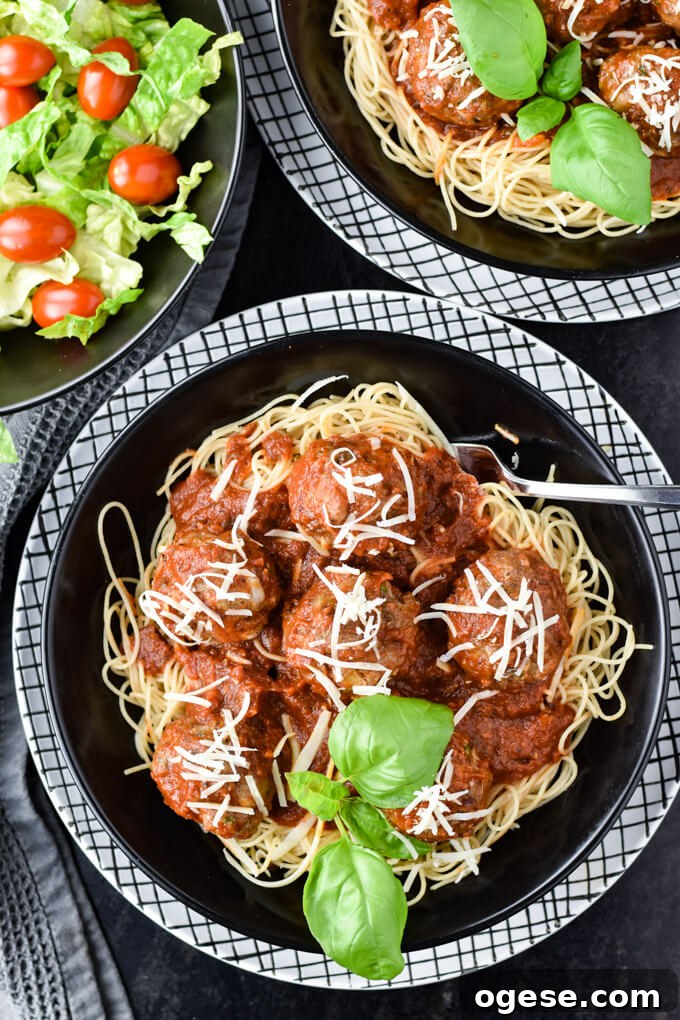
Homemade pasta sauce is a comforting family favorite and a go-to for cozy meals. This rich, red sauce features sautéed onions and garlic, fresh herbs, and warming spices that build deep flavor. Add tender oven-baked meatballs to simmer in the sauce for a classic spaghetti-and-meatballs dinner, or use the sauce as a base for lasagna, meatball subs, or pizza. Made from scratch, this recipe yields a large batch that keeps well and tastes even better the next day.
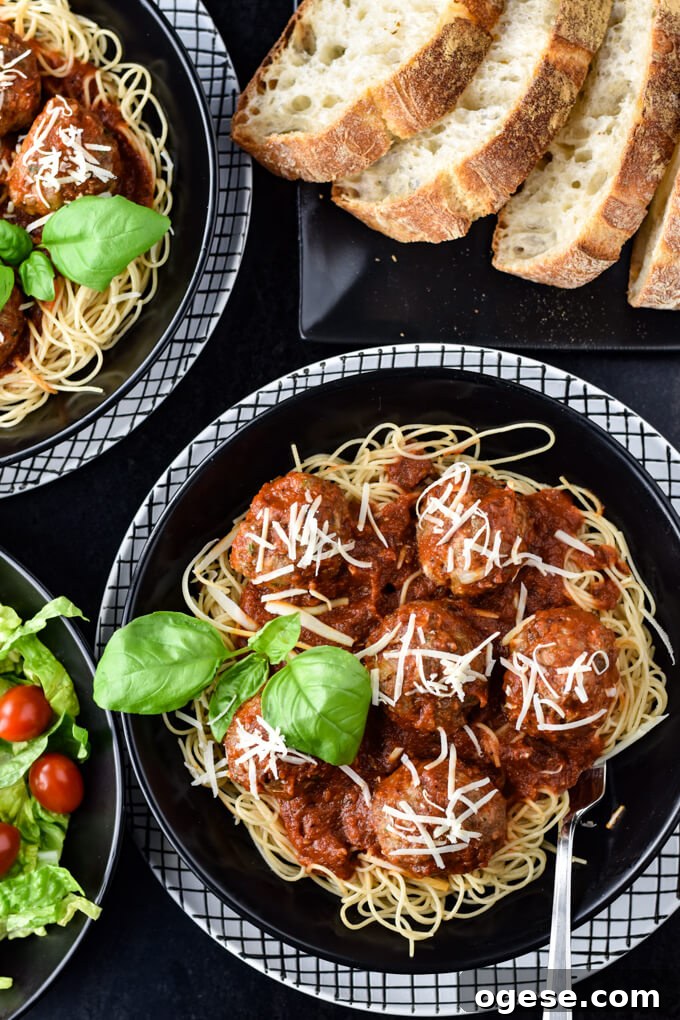
Pasta Sauce Recipe
This pasta sauce is straightforward and flavorful. The longer it simmers, the more the ingredients meld into a cohesive, savory sauce. This recipe makes a generous amount, perfect for serving now and saving leftovers for later. If you prefer variations, try a vodka sauce or use the sauce for meatball subs and slow-cooker lasagna recipes.
Ingredients you will need for this Easy Pasta Sauce Recipe
Most ingredients are pantry staples. The balance of aromatics, herbs, and spices gives the sauce its depth.
- Extra virgin olive oil (or avocado oil) for sautéing the onions.
- Sweet onions, roughly chopped if you plan to mill the sauce later.
- Garlic cloves, minced—added after the onions and cooked briefly to avoid bitterness.
- Kosher salt and freshly ground black pepper to taste.
- Tomato paste to enrich and thicken the sauce.
- Dry white wine to deglaze the pan and enhance flavor.
- Crushed tomatoes, preferably fire-roasted for a subtle smoky note.
- Fresh oregano and basil—use fresh herbs if possible, especially basil for its bright aromatics.
- Onion and garlic powder to deepen the sautéed aromatics.
- Fennel seeds for a mild, sweet anise flavor.
- Brown sugar to balance acidity, added to taste.
How to Make Pasta Sauce
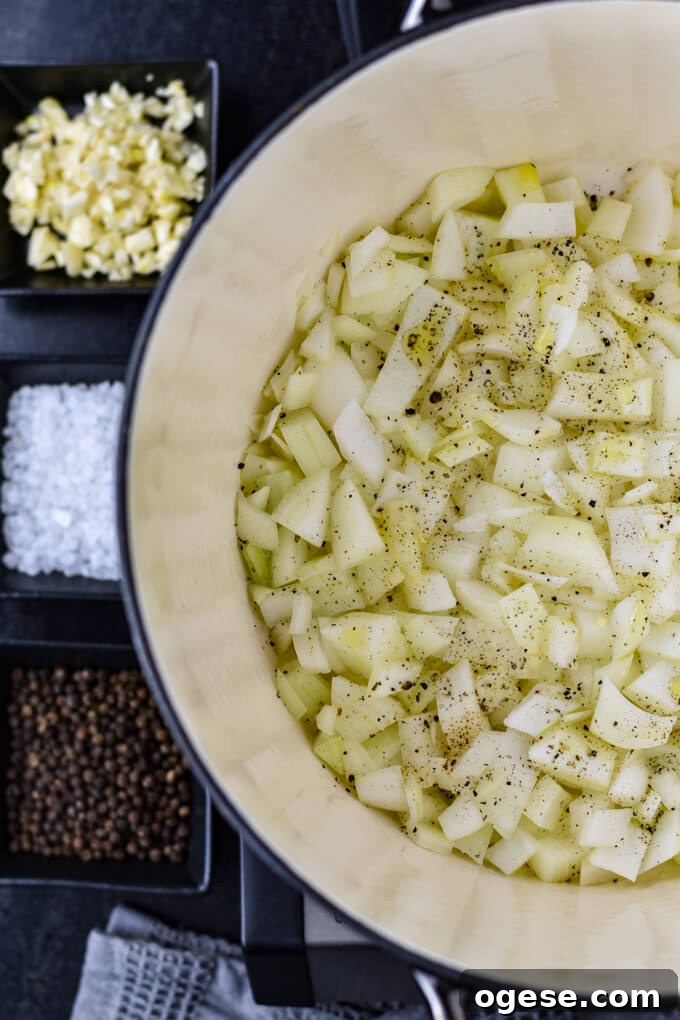
- Sauté the onions. Heat a heavy-bottomed pan with olive oil. Add chopped onions, season with salt and pepper, and cook until translucent, about 8–10 minutes.
- Add the garlic. Stir in the minced garlic and cook for about one minute—just long enough to release its aroma without burning.
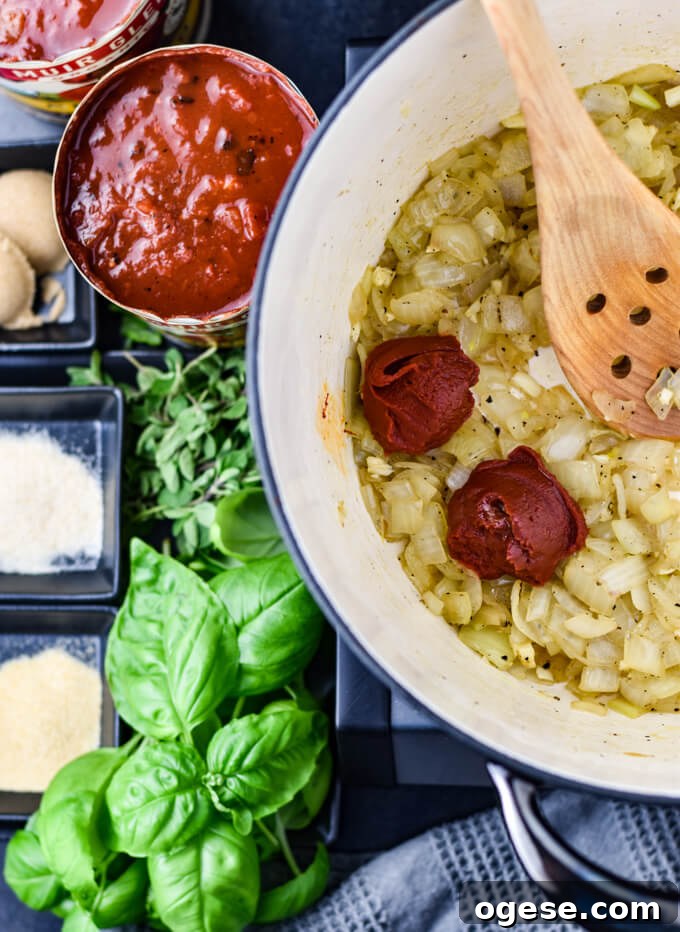
- Add tomato paste. Remove the pan from heat, stir in the tomato paste for a minute to caramelize it slightly and deepen the sauce’s flavor.
- Deglaze the pan. Return the pan to heat and add ¾ cup dry white wine, scraping up browned bits. Reduce to a low boil and cook until most of the wine has evaporated.
- Add crushed tomatoes. Stir in three large cans of fire-roasted crushed tomatoes to form the sauce base.
- Boost with fresh herbs. Add chopped fresh oregano and a generous amount of chopped fresh basil—these make a marked difference in flavor.
- Sprinkle in onion and garlic powder. About 1½ teaspoons of each will deepen the cooked flavors without overwhelming freshness.
- Add fennel seeds. Use about 1½ tablespoons for a warm, sweet anise note.
- Sweeten to taste. Add brown sugar if you prefer a touch of sweetness to balance the tomatoes.
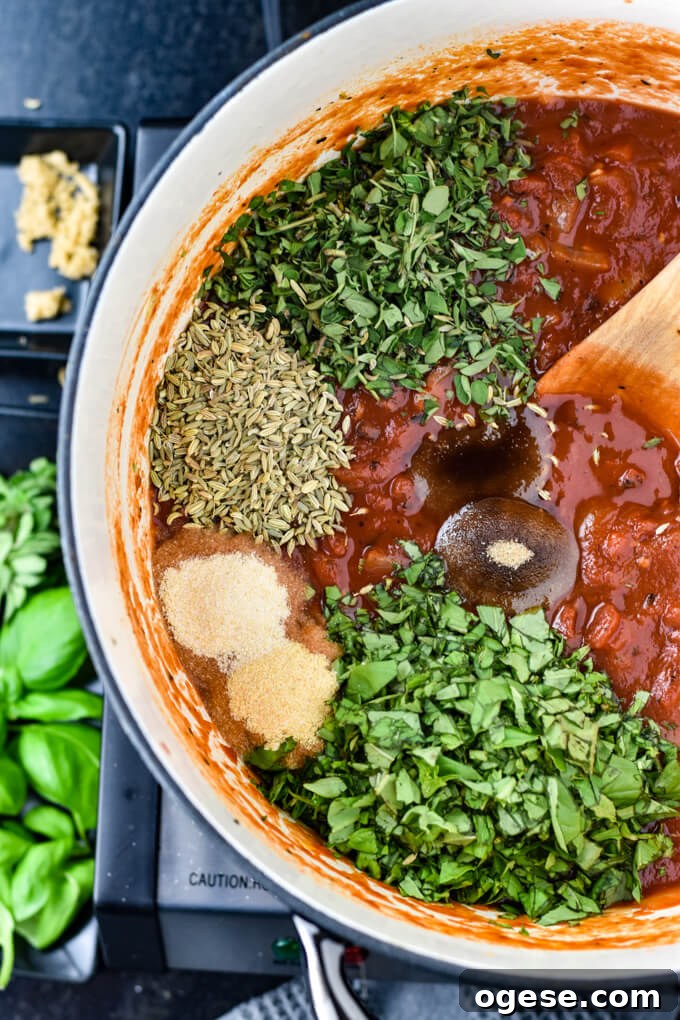
- Simmer low and slow. Cook the sauce over low heat for 1–2 hours, stirring occasionally and watching that it doesn’t burn on the bottom. Longer simmering improves the depth of flavor.
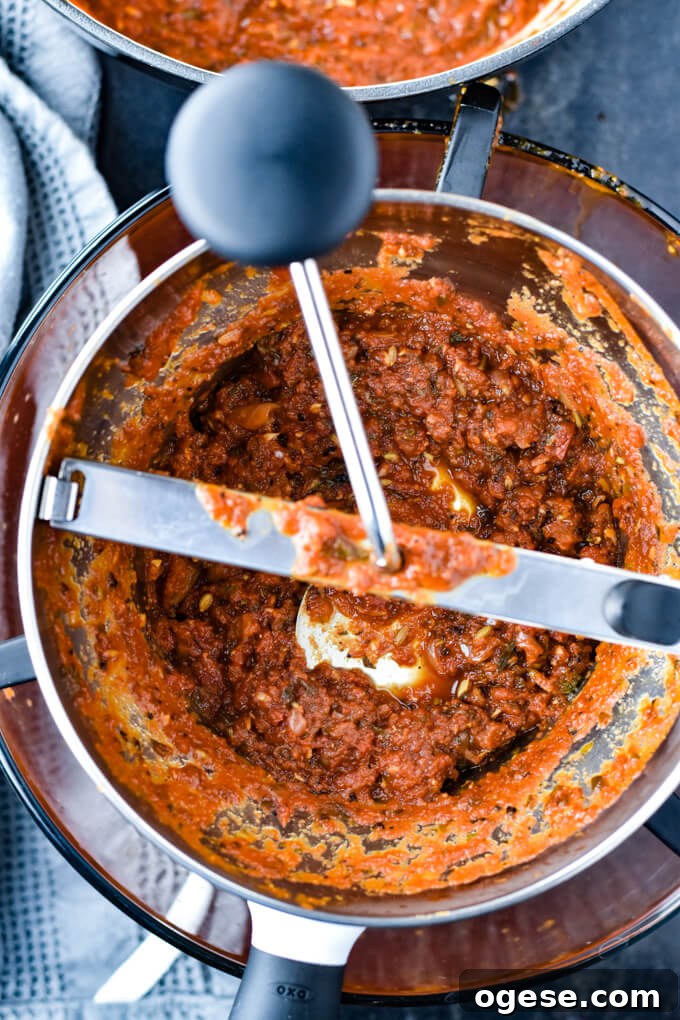
- Puree or mill for a smooth texture. A food mill with a medium blade yields a silky sauce. If you don’t have a food mill, a food processor or blender can work—use caution with hot liquids to avoid splattering. If you prefer chunky sauce, skip this step and chop the onions smaller before cooking.
What to serve with your Homemade Pasta Sauce
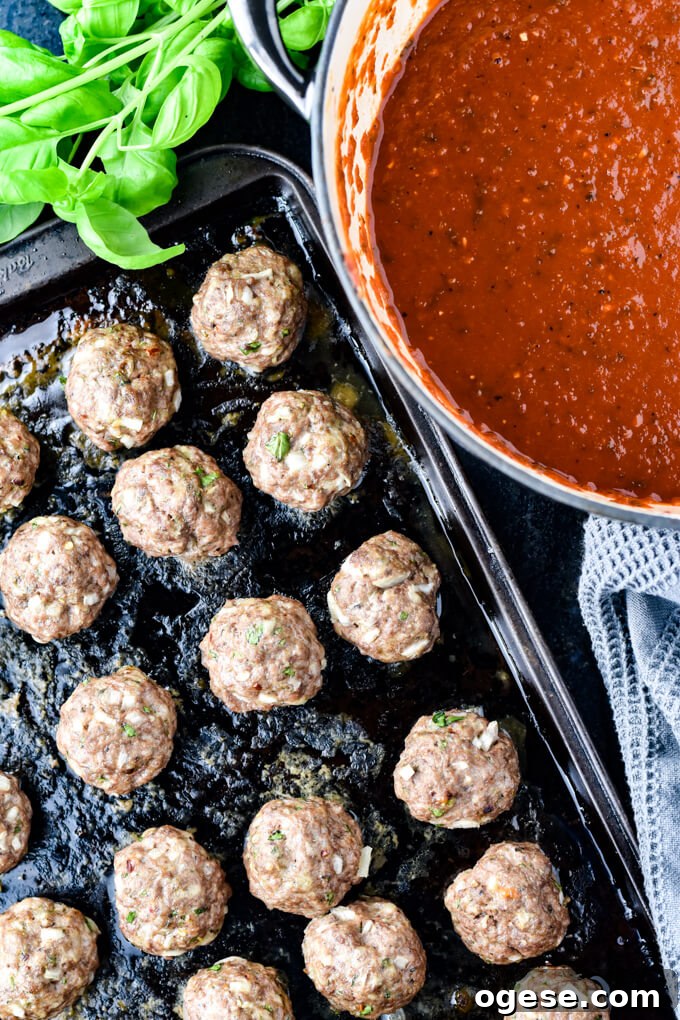
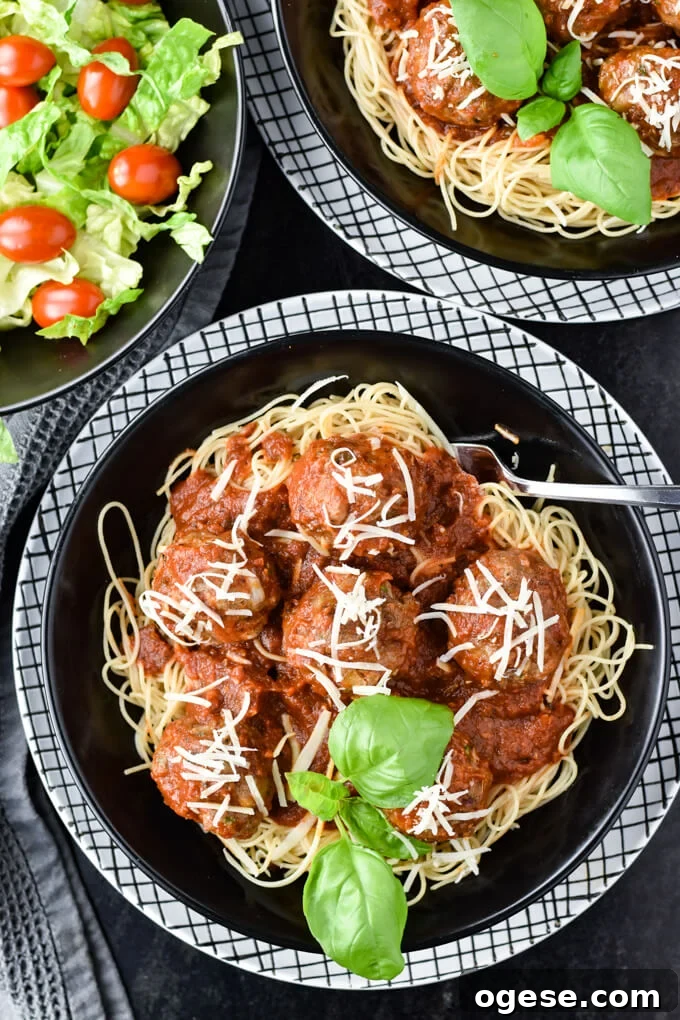
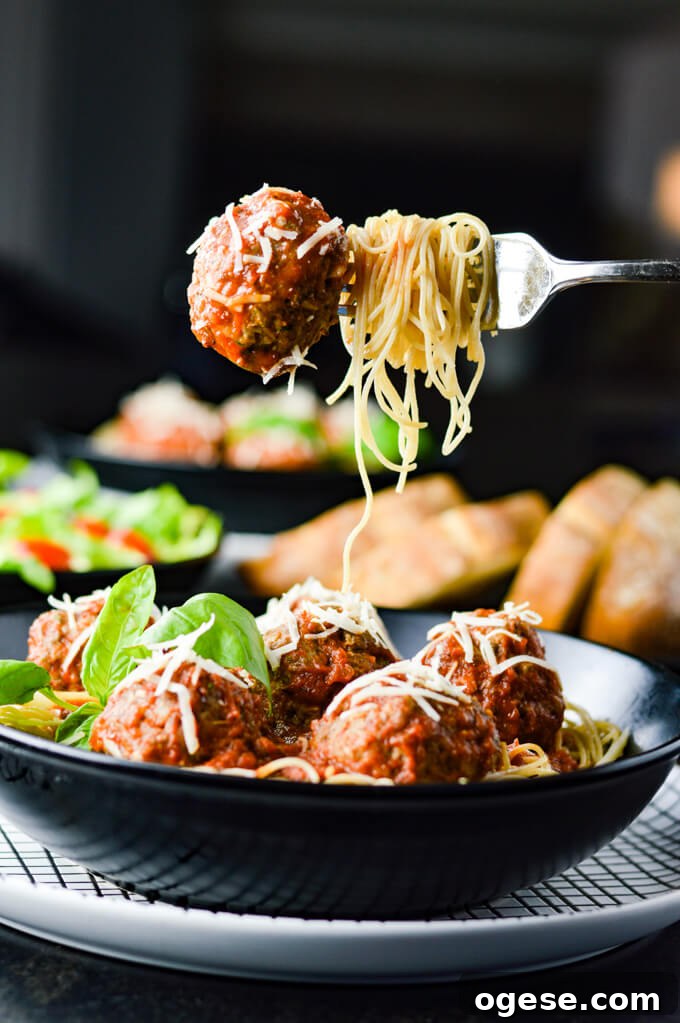
- Homemade meatballs (veal, lamb, and beef) simmered in the sauce add savory depth.
- Al dente noodles. Cook pasta until tender but still firm to the bite—brown rice noodles are a great alternative if you want a healthier option.
- Crusty bread such as ciabatta, toasted with butter and garlic, pairs perfectly for sopping up sauce.
- A simple side salad of romaine, grape tomatoes, and cucumbers brightens the meal.
- Meatball subs are a delicious way to use leftover sauce and meatballs.
What is the difference between Pasta Sauce and Marinara Sauce?
Both are tomato-based, but pasta sauce often has a more complex ingredient list and richer flavor. Pasta sauce can include meat and more seasonings, while marinara tends to be simpler and is often used as a dipping sauce. This recipe works well in both roles depending on how it’s prepared and seasoned.
Can I use this Pasta Sauce in place of Pizza Sauce?
Pizza sauce is typically thicker and sometimes made with uncooked tomatoes. You can thicken this sauce by adding extra tomato paste and cooking over higher heat while stirring until it reduces to the desired consistency. Many home cooks do use a simmered pasta sauce on pizza with excellent results.
Can I use Fresh Tomatoes instead?
Yes—roast vine-ripened tomatoes when they’re at peak season. It takes a large quantity—about 36 whole tomatoes—to equal three 28-ounce cans. Halve the tomatoes, drizzle with olive oil, season with salt and pepper, and roast at 400°F for about 30 minutes. Add oregano sprigs and torn basil leaves, roast another 10 minutes until skins loosen, let cool, then smash or puree the roasted tomatoes to use in the sauce.
Can I make this pasta sauce ahead of time and freeze it?
This sauce freezes very well. Cool it completely, transfer to freezer-safe bags, remove excess air, and lay flat to freeze. Store for up to six months. Thaw at room temperature, then reheat gently on the stove, stirring frequently until warmed through.
How long does this last in the fridge?
Store homemade pasta sauce in the refrigerator for up to four days.
For more comfort food ideas, try lasagna, vodka sauce, chicken and noodles, beef stroganoff, or puff pastry chicken pot pies.
Homemade Pasta Sauce Recipe

This mouthwatering red sauce incorporates onions, garlic, fresh herbs, and spices that boost its flavor. Add tender meatballs to swim in this sea of mouth-watering pasta sauce and you have the perfect comfort food to remedy the winter “blahs.”
- Author: Kristy Murray
- Prep Time: 10 minutes
- Cook Time: 1 hour
- Total Time: 1 hour 10 minutes
- Yield: 8 servings
- Category: Pasta Dishes
- Method: Stove Top
- Cuisine: Italian
Ingredients
Homemade Pasta Sauce
- 2 tablespoons olive oil
- 2 cups chopped onions
- 8 large garlic cloves, minced
- Kosher salt and freshly ground black pepper, to taste
- 3 tablespoons tomato paste
- ¾ cup dry white wine (such as Chardonnay)
- 3 – 28 ounce cans fire-roasted crushed tomatoes
- 4 tablespoons chopped fresh oregano
- 1 cup chopped fresh basil
- 1½ teaspoons onion powder
- 1½ teaspoons garlic powder
- 1½ tablespoons fennel seeds
- 3 tablespoons brown sugar (optional, to taste)
Instructions
Homemade Pasta Sauce
- Heat a Dutch oven or large heavy-bottomed pan over medium-high heat and add 2 tablespoons olive oil. Lower heat to medium, add 2 cups chopped onions, and cook until tender and translucent, about 8–10 minutes, stirring frequently.
- Season with kosher salt and freshly ground black pepper to taste.
- Add 8 large minced garlic cloves and cook for 1 minute, stirring constantly.
- Remove the pan from the heat and stir in 3 tablespoons tomato paste for one minute.
- Return the pan to heat and add ¾ cup dry white wine. Scrape the browned bits from the bottom, bring to a low boil, and cook until most of the wine has evaporated.
- Stir in the crushed tomatoes, oregano, basil, onion and garlic powders, fennel seeds, and brown sugar. Cool slightly.
- Pass the sauce through a food mill with a medium blade for a smooth texture, or blend/puree cautiously if using a processor or blender.
- Simmer the sauce for 1–2 hours, stirring occasionally and ensuring it doesn’t burn on the bottom.
- Serve and enjoy.
Notes
- Save parmesan rinds and add one to the sauce as it simmers for extra richness; remove before serving.
- If you don’t own a food mill, a food processor or blender can achieve a similar texture—exercise caution with hot liquids to prevent splattering.
- For a chunkier sauce, omit milling and finely chop the onions before cooking.
Nutrition
- Serving Size: 1 ¼ cup sauce
- Calories: 209
- Sugar: 19 g
- Sodium: 678 mg
- Fat: 4 g
- Saturated Fat: 1 g
- Unsaturated Fat: 4 g
- Trans Fat: 0 g
- Carbohydrates: 37 g
- Fiber: 7 g
- Protein: 6 g
- Cholesterol: 0 mg