THIS POST MAY CONTAIN REFERRAL LINKS. IF YOU CLICK THROUGH AND TAKE ACTION, I MAY BE COMPENSATED, AT NO ADDITIONAL COST TO YOU.
One thing leads to another, so they say.
After our move to Central Oregon — a beautiful area with a higher wildfire risk — I decided it was time to take emergency preparedness more seriously. I completed a family evacuation plan and assembled kits that would allow us to shelter in place for up to two weeks. My husband, however, wanted to go a step further.
He was concerned about remote but possible events, like earthquakes disrupting supply chains, and asked me to research longer-term food storage.
What I developed in response is what I now call my Prepared Pantry: a practical, cost-conscious approach to building a longer-term food supply that saves time and money while remaining realistic for everyday life.
FINDING THE MIDDLE ROAD
When it comes to preparedness, people often fall into one of two camps: they either try to prepare for every imaginable disaster or they ignore the topic entirely. Neither extreme appealed to me. Instead, I chose a middle path — sensible, practical preparation that fits our family’s needs.
That balanced approach also guided my thinking about longer-term food supplies. Some family members tend to keep nearly empty cupboards, buying ingredients only when they’re needed. When I suggested keeping a few extra canned goods on hand, one jokingly replied, “I’ve got gin, olives, and a jar of peanut butter. What more do I need?”
While a cocktail and peanut butter might carry you through in the short term, they won’t sustain a family during an extended disruption. On the opposite end are those who invest heavily in multi-year caches of MREs and freeze-dried food. If that works for you, fine — everyone should prepare in a way that fits their priorities.
For me, spending thousands on a five-year supply of rations didn’t make sense. I wanted a solution that was economical, compact, safe during power outages, and composed of foods we actually enjoy and will eat.
ROTATIONAL FOOD STORAGE
Rotational food storage proved to be the perfect fit. The idea is simple: buy canned, jarred, or dry goods in bulk; store them; and incorporate them into your regular cooking. As you use items, replace them so your supply stays fresh.
This approach is ideal for warehouse stores like Costco or Sam’s Club. Buying larger quantities—say, multiple cans of beans or a big bag of quinoa—saves money and ensures you always have staples on hand.
Costco has been a primary source for many items in my Prepared Pantry. The quality and prices are generally good, though it’s worth comparing prices with your local grocery store before you buy.
I mark “best by” dates on all pantry items, group similar goods together, and place items with the longest shelf life toward the back. Shorter-dated items go to the front so they’re used first. This rotation prevents waste and saves money.
Adapting some recipes helped me make the most of pantry staples. I experimented with canned fish and poultry and was surprised by the results: turkey enchiladas and salmon cakes became household hits.
Still, canned corn and green beans only go so far. To add variety and longer shelf life without wasting space, I looked into other preservation methods.
WHAT YOUR GRANDMA KNEW
Many readers likely remember a time when grocery stores weren’t stocked with every fruit and vegetable year-round. People preserved seasonal produce to enjoy it later. I grew up canning and recall the hot, steamy effort and the satisfaction of jars lined on the pantry shelves.
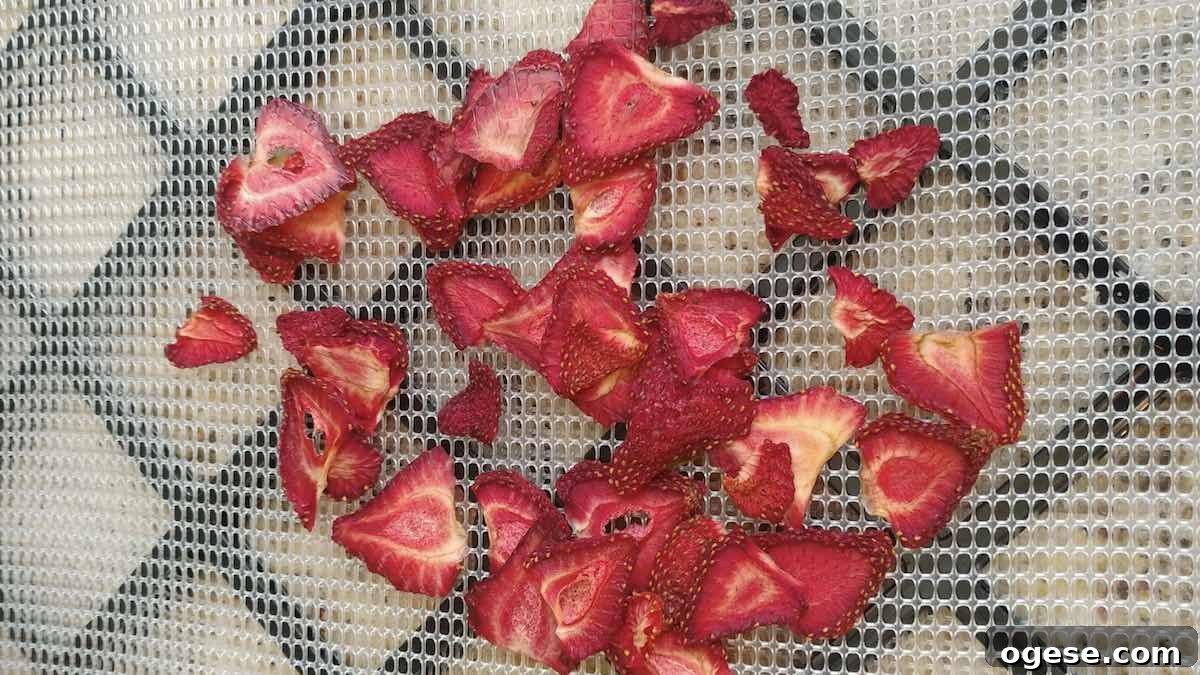
Canning works, but it can be time-consuming and takes up a lot of space. To preserve produce more efficiently and compactly, I invested in two tools: a food dehydrator and a vacuum sealer. These have turned out to be two of the best purchases for my Prepared Pantry.
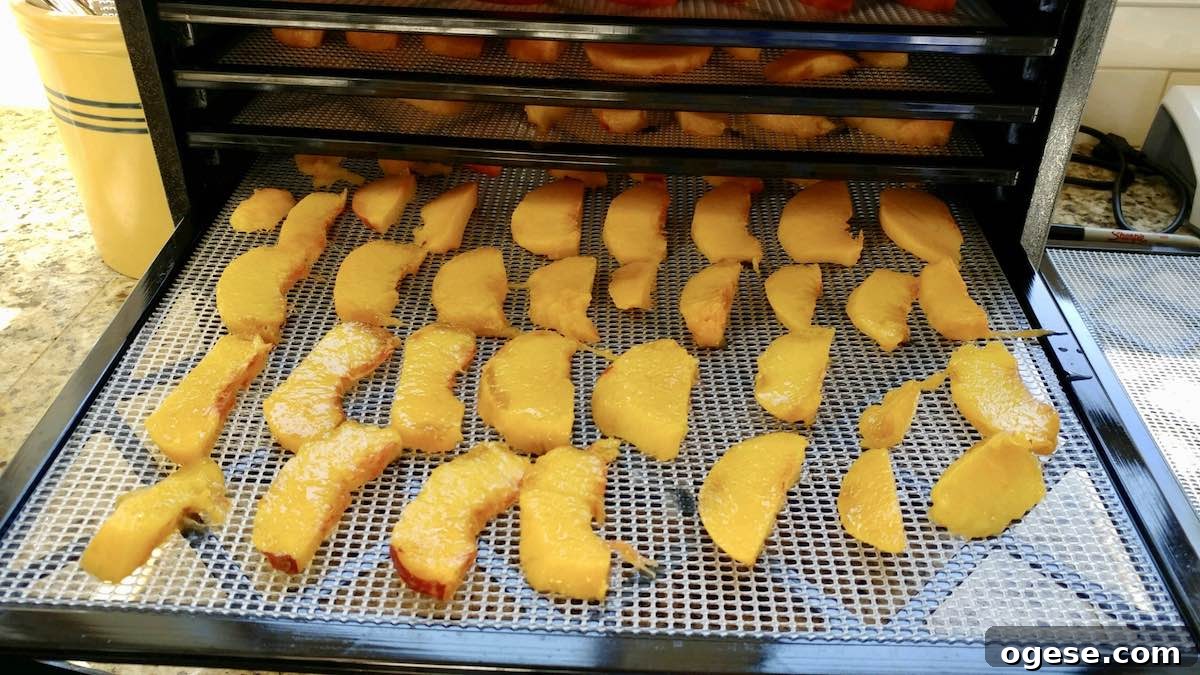
After researching dehydrators, I chose an Excalibur model for its capacity and features. With multiple trays I can dry large batches at once, and the automatic shutoff means I don’t need to watch it constantly. I often start a batch before bed and wake to finished dried fruit or vegetables.
I also picked up a guide to dehydrating to learn temperature, timing, and technique. The book provided practical recipes and helped me gain confidence with a variety of fruits, vegetables, and even meats.
Dehydrating pays off financially and practically. For example, a 20-pound box of farm-fresh peaches cost far less per pound than buying small amounts. Dehydrating that box yielded a large quantity of dried peaches that store compactly and will brighten meals and snacks through fall and winter.

Proper storage extends the usefulness of dehydrated items. Vacuum sealing is especially effective: it reduces oxidation and moisture, stretching shelf life from months to years when done correctly. I use a vacuum sealer with roll bags so I can cut custom sizes for different quantities.
Beyond dried fruit and vegetables, vacuum sealing has improved my freezer strategy. Buying meat and poultry in bulk, then portioning and vacuum-sealing, prevents freezer burn and saves money over time. I even vacuum-sealed portions of peach filling for turnovers — a tasty, ready-to-bake treat for winter.

PREPARATION THAT MAKES SENSE
Designing a longer-term food plan that worked for our family took time and experimentation, but it was worthwhile. The Prepared Pantry approach — combining rotational storage with selective dehydrating and vacuum sealing — has saved money, reduced waste, and provided peace of mind.
Creating this system has been practical and surprisingly satisfying, almost like the sense of accomplishment I remember from canning days. It’s a realistic, usable approach to food security that fits our lifestyle and tastes.