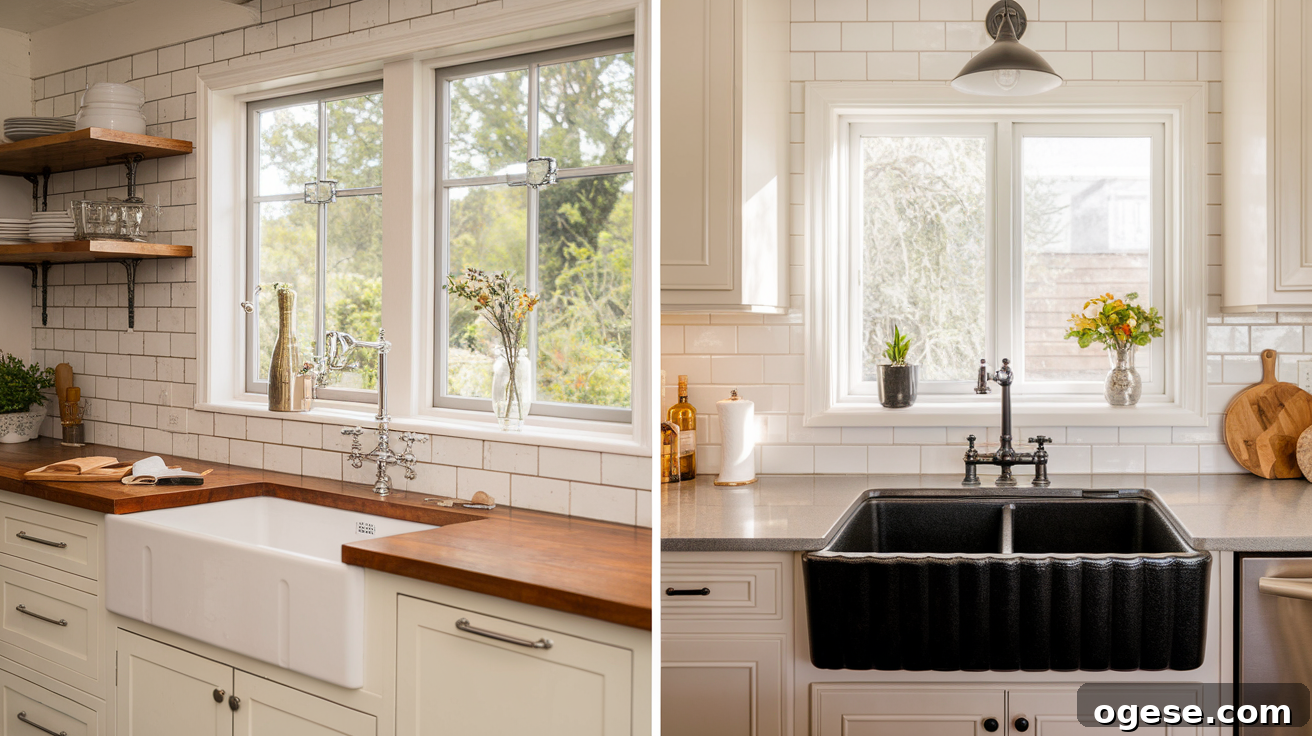
Choosing a kitchen sink doesn’t need to be complicated. Two popular options today are fireclay and cast iron sinks. Both offer durability, classic appeal, and attractive finishes, but one may suit your kitchen and lifestyle better than the other.
This guide lays out the key differences in durability, maintenance, cost, installation, and style so you can make a confident choice. By the end you’ll understand which sink fits your cooking habits, budget, and design goals.
What is a Fireclay Sink?
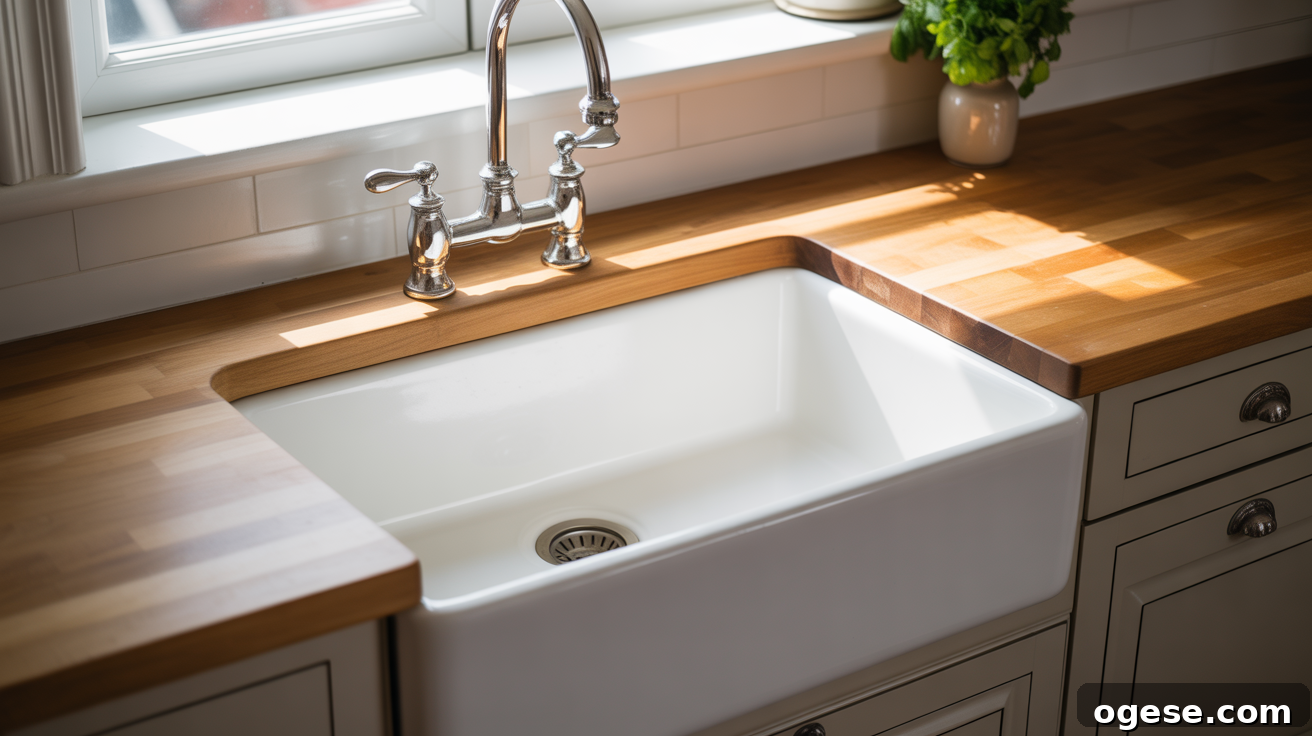
Fireclay sinks are formed from natural clay that is glazed and fired at very high temperatures. The firing process fuses the clay and glaze into a dense, hard surface that resists everyday wear and maintains a smooth, glossy finish.
How They Are Made
Manufacturing begins with shaped clay that is coated in ceramic glaze. The pieces are fired in a kiln—often at very high temperatures for many hours—so the glaze bonds with the clay to form a single, solid unit. That process creates a sink that is strong, relatively lightweight for its material class, and visually consistent.
Unique Characteristics of Fireclay
Fireclay sinks are prized for their resistance to chips, a non-porous surface that cleans easily, and a bright, classic look—most commonly in white or off-white. They handle regular heat well but can be sensitive to sudden extreme temperature changes. Compared with cast iron, they are lighter, which typically makes installation simpler.
Common Designs and Styles
Fireclay sinks are frequently used in farmhouse or apron-front styles but also come as undermount or drop-in options. Single-bowl designs are common, though two-bowl versions are available. Their clean, timeless look pairs well with both traditional and contemporary kitchen aesthetics.
What is a Cast Iron Sink?
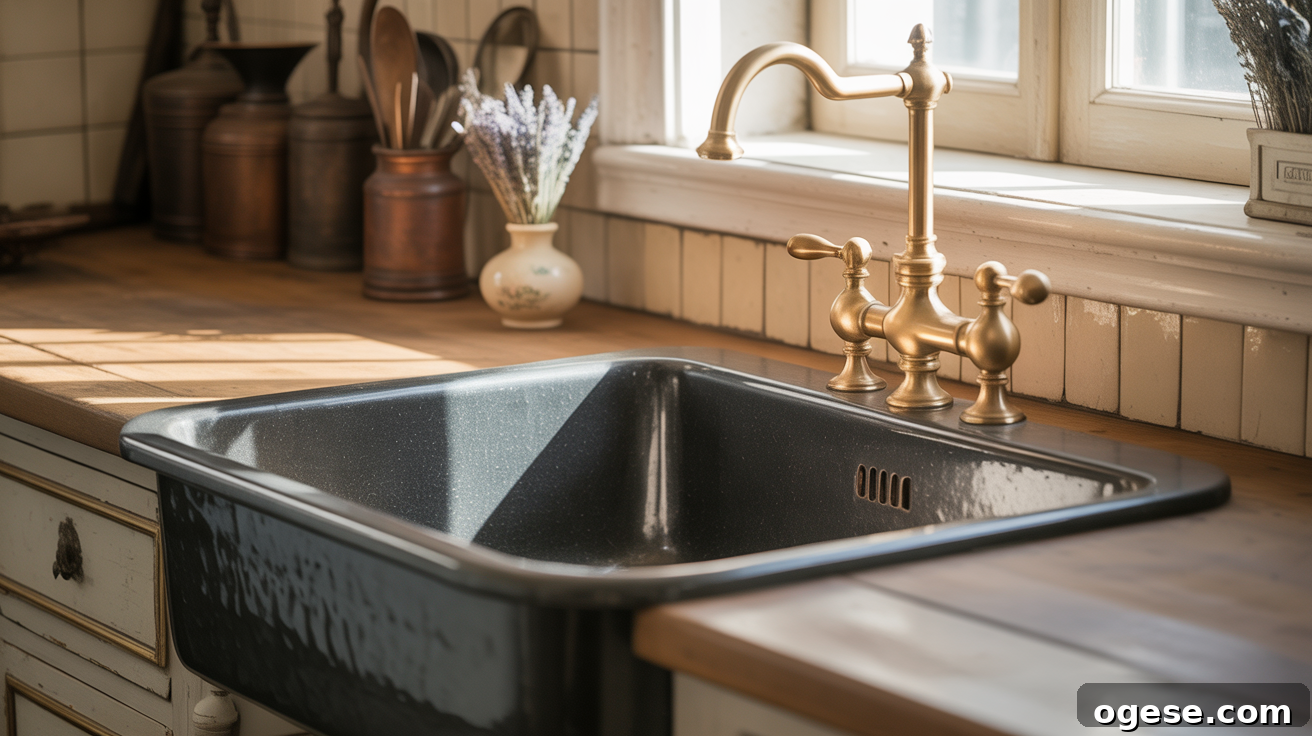
Cast iron sinks consist of a heavy iron base coated with a durable porcelain enamel. The combination yields a sink with substantial weight, excellent durability, and a glossy finish that resists stains and holds color well.
The Cast Iron + Enamel Combo
Manufacturers pour molten iron into molds to form the sink base. After cooling, the surface receives layers of porcelain enamel that are baked on to create a smooth, protective finish. The iron provides structural strength while the enamel offers resistance to staining and a high-gloss appearance.
Signature Features of Cast Iron
Cast iron sinks are extremely durable and can last for decades when cared for properly. Their mass helps dampen noise and gives a solid, substantial feel. The enamel finish resists stains and handles high temperatures well, though the sinks are very heavy and typically require reinforced cabinetry and professional installation.
Design Appeal and Style Versatility
Compared with fireclay, cast iron offers a wider range of color options and finishes, which makes it a versatile choice for both traditional and modern kitchens. The glossy enamel adds a refined look that suits many design schemes.
Side-by-Side Comparison: Fireclay vs. Cast Iron
Below are the main points to consider when choosing between fireclay and cast iron sinks. Each material has trade-offs in performance, appearance, and cost.
| Feature | Fireclay Sinks | Cast Iron Sinks |
|---|---|---|
| Durability & Longevity | Very durable with good resistance to chips and cracks | Extremely durable; can last generations with proper care |
| Weight & Installation | Relatively lighter; easier to handle and install | Very heavy; often requires reinforced support and professional installation |
| Heat Resistance | Good, but avoid sudden extreme temperature changes | Excellent; handles hot pots and pans well |
| Scratch Resistance | Resistant to scratches, though surface marks may appear over time | Highly scratch resistant due to enamel coating |
| Stain Resistance | Good; may stain with prolonged exposure to certain substances | Excellent stain resistance from the enamel finish |
| Cleaning & Maintenance | Low maintenance; cleans easily with mild soap and water | Easy to clean; may require occasional care to preserve enamel |
| Color Options | Limited—typically white or off-white | Wider range of colors and finishes |
| Cost | Generally more affordable | Often more expensive |
| Environmental Impact | Clay is a natural material with lower production impact | Iron extraction and enamel production have higher environmental costs |
If budget and simpler installation are priorities, fireclay offers excellent value. If long-term durability, heat performance, and color variety matter more, cast iron may be worth the extra investment and installation effort.
Which Sink Fits Your Lifestyle?
Your daily routines and household needs should guide the choice. The following scenarios highlight which sink performs best for specific uses.
| Scenario | Recommended Sink | Key Advantages |
|---|---|---|
| Heavy cooking homes | Cast Iron | High heat resistance; superior stain resistance; built for heavy use |
| Families with kids | Fireclay | Lighter and easier to install; simple to clean; more affordable |
| Rental properties / easy maintenance | Fireclay | Lower cost; straightforward cleaning and replacement if needed |
| Farmhouse or traditional style | Either (based on look) | Fireclay offers a bright farmhouse look; cast iron provides classic historical appeal |
| Modern or sleek designs | Cast Iron | More color choices to match contemporary counters and finishes |
Installation Tips and Considerations
Both sink types demand careful planning for installation due to size and weight. Cast iron especially needs reinforced support. Follow these practical tips to avoid common mistakes and ensure a secure fit.
Cast Iron Installation Tips:
- Confirm cabinets can support 100+ pounds and add extra bracing as needed.
- Use at least two people to handle and set the sink safely.
- Adjust plumbing to account for deeper basins when necessary.
- Seal the rim with silicone and allow adequate curing time before use.
Fireclay Installation Tips:
- Verify cabinet dimensions and use an accurate template for countertop cutouts.
- Install supporting cleats inside the cabinet for added stability.
- Place protective pads where the sink contacts cabinet surfaces.
- Leave a small expansion gap and avoid over-tightening hardware to prevent cracking.
Alternatives to Consider
Fireclay and cast iron are excellent choices, but other materials may better fit certain needs or budgets.
Fireclay vs. Cast Iron vs. Stainless Steel
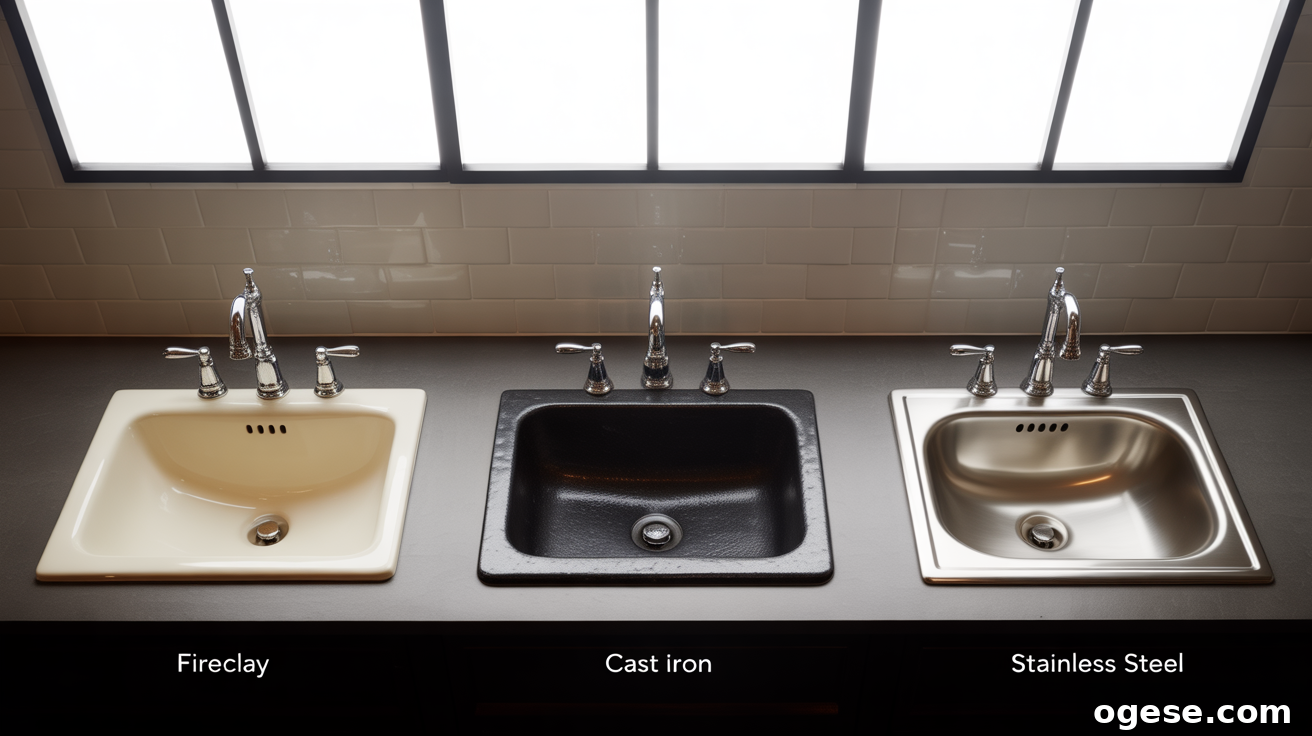
Stainless steel offers a modern, lightweight, and usually less expensive option. It performs well under heat and heavy use, comes in many sizes and configurations, and is highly practical for busy kitchens. Downsides include visible scratches, water spots, and higher noise levels compared with heavier sinks.
Porcelain and Granite Composite Options
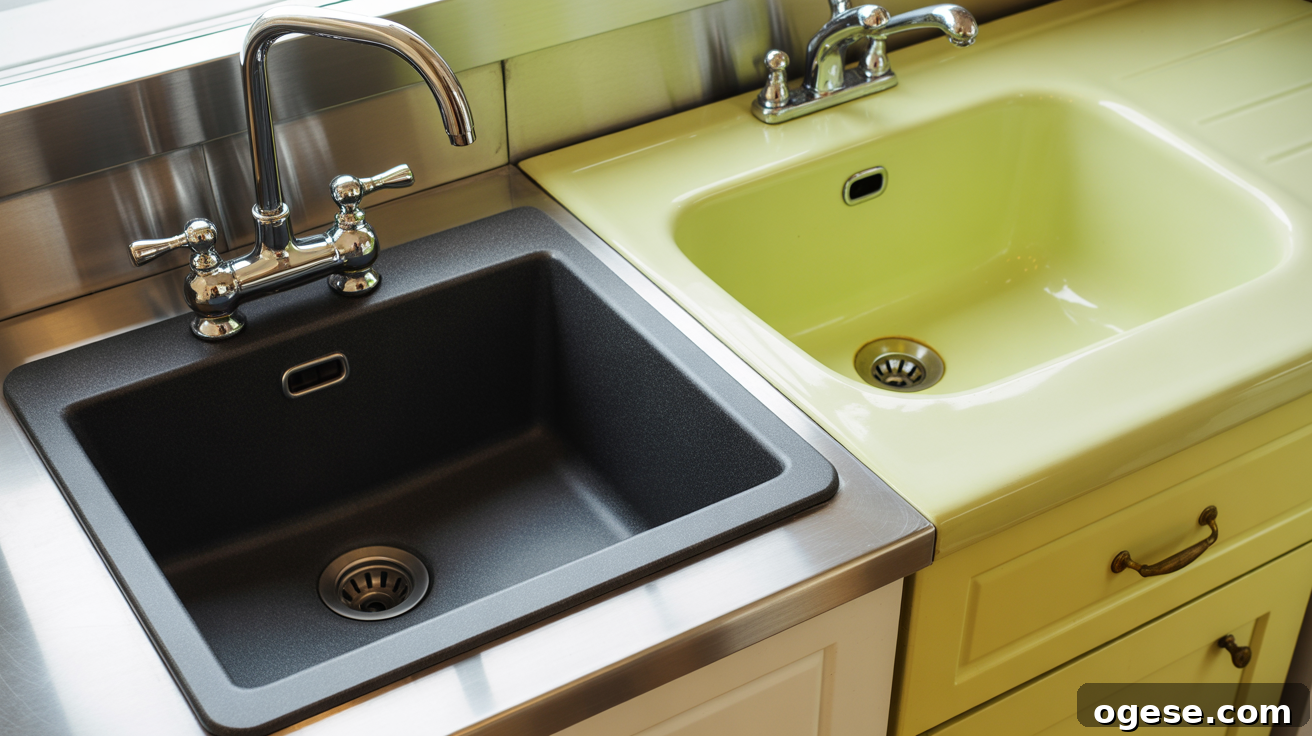
Porcelain sinks provide a similar aesthetic to fireclay at a lower price but generally offer less durability. Granite composite sinks blend durability with a modern look, resisting scratches, heat, and stains while masking water spots and reducing noise. They often cost less than cast iron but more than basic stainless steel or porcelain.
Final Thoughts
Fireclay stands out for affordability, lighter weight, and straightforward maintenance. Cast iron excels in long-term durability, stain resistance, and color variety. Choose based on how you actually use your kitchen: heavy, frequent cooking often favors cast iron, while family homes and rental properties may benefit from the practicality of fireclay.
Match the sink to your daily habits and design priorities, and you’ll enjoy a functional, attractive fixture that serves your kitchen well for years.
Frequently Asked Questions
What causes fireclay sinks to chip?
Fireclay chips when struck by heavy, sharp objects, if installed incorrectly or under stress, or when exposed to sudden extreme temperature changes.
Do cast iron sinks rust easily?
Cast iron sinks resist rust as long as the enamel coating remains intact. Rust can occur if the enamel is chipped and left unrepaired, so prompt repairs prevent most issues.
Is fireclay easier to clean than cast iron?
Both clean well with mild soap and water. Fireclay’s non-porous surface can require slightly less maintenance, while cast iron’s enamel finish should be cared for to avoid chipping and preserve its appearance.