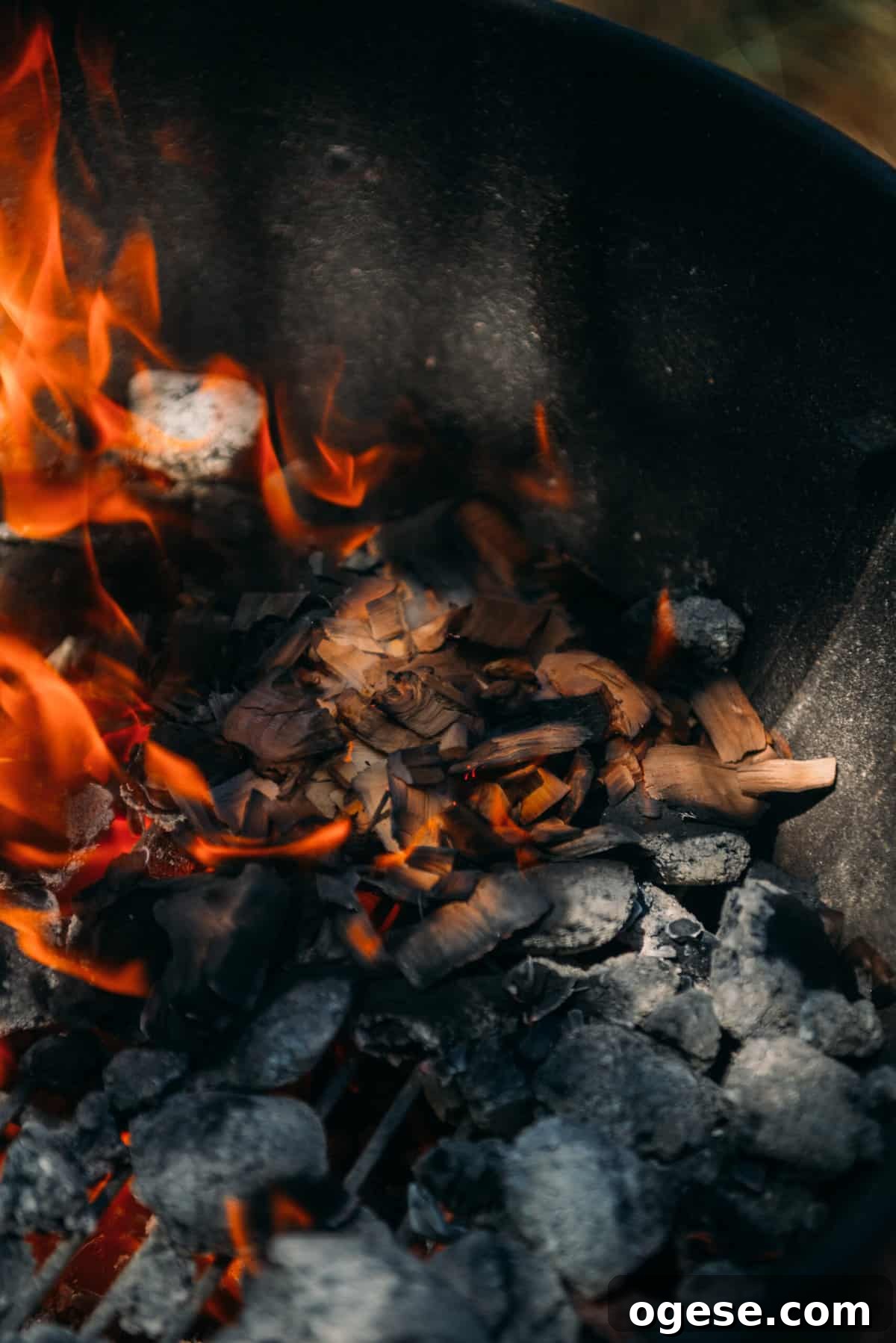
Smoking wood adds depth and complexity to grilled and smoked dishes. From the robust notes of mesquite to the sweet fruitiness of cherry or apple, choosing the right smoking wood is essential for great barbecue.
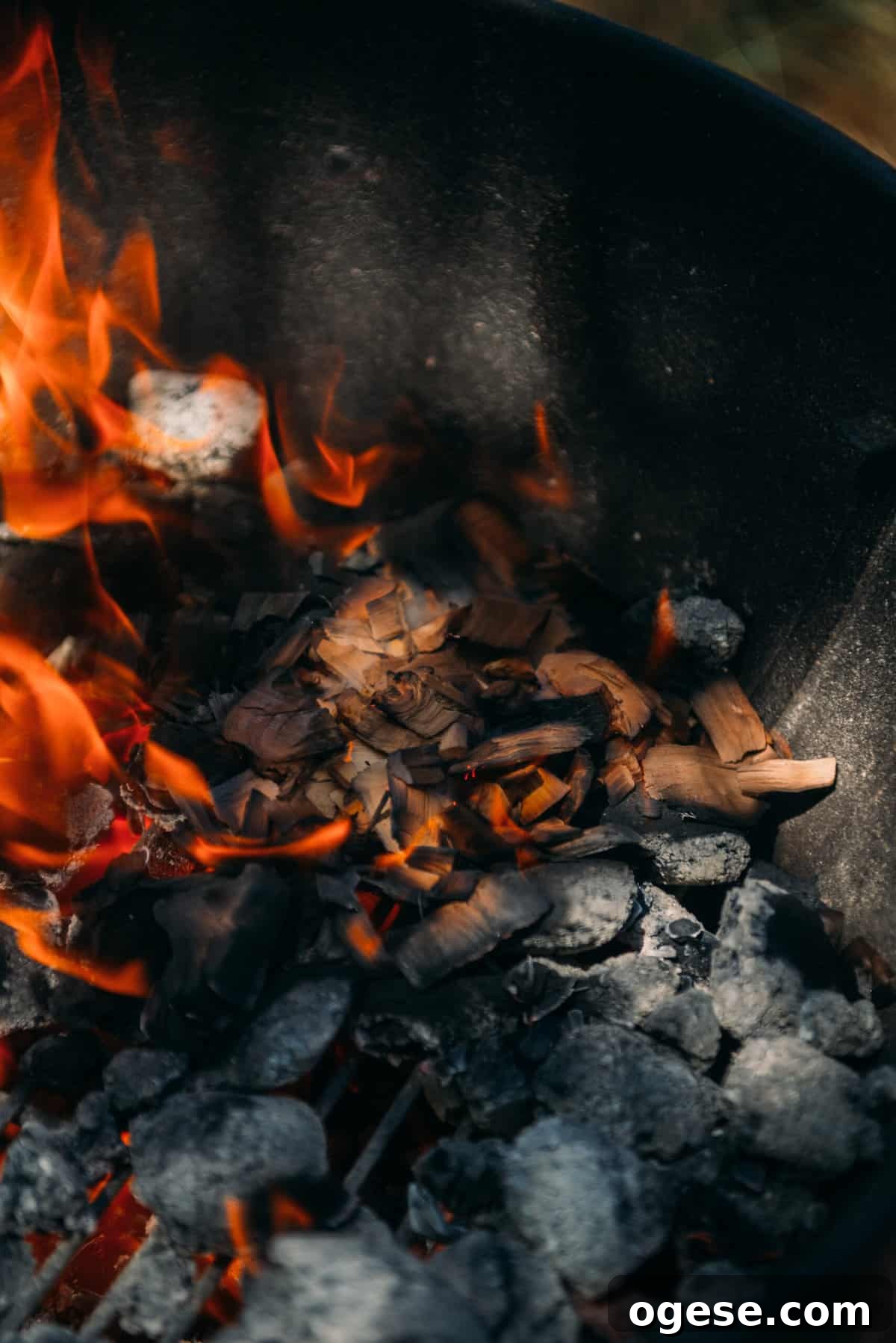
Table of Contents
- TL;DR Summary
- Wood Chips, Chunks, or Logs?
- Popular Smoking Woods Flavors
- Oak
- Hickory
- Mesquite
- Pecan
- Maple
- Alder
- Fruitwoods
- Pairing Guide (downloadable)
- Matching Woods with Specific Meats
- Temps for getting the best smoke flavor
- Our favorite smoking recipes
- Avoiding Common Mistakes with Smoking Wood
- Sourcing Quality Smoking Wood
- Storing and Maintaining Your Smoking Wood
- More helpful grilling guides
- FAQs
The flavor your barbecue takes on depends heavily on the wood you choose. Different woods produce distinct smoke profiles, and matching those profiles to the proteins and techniques you use will elevate your results. This guide explains common woods, how to use different wood forms, pairing suggestions, temperature guidance, common mistakes, and storage tips to help you smoke with confidence.
TL;DR Summary
- Learn characteristics of popular smoking woods and which meats they complement.
- Choose the right wood form—chips, chunks, pellets, or logs—based on your smoker and cook time.
- Control smoke intensity by selecting wood types, portion sizes, and proper temperatures.
Wood Chips, Chunks, or Logs?
The form of wood you use affects how quickly smoke is produced and how long it lasts. Common options include:
- Chips
- Chunks
- Pellets
- Logs (splits)
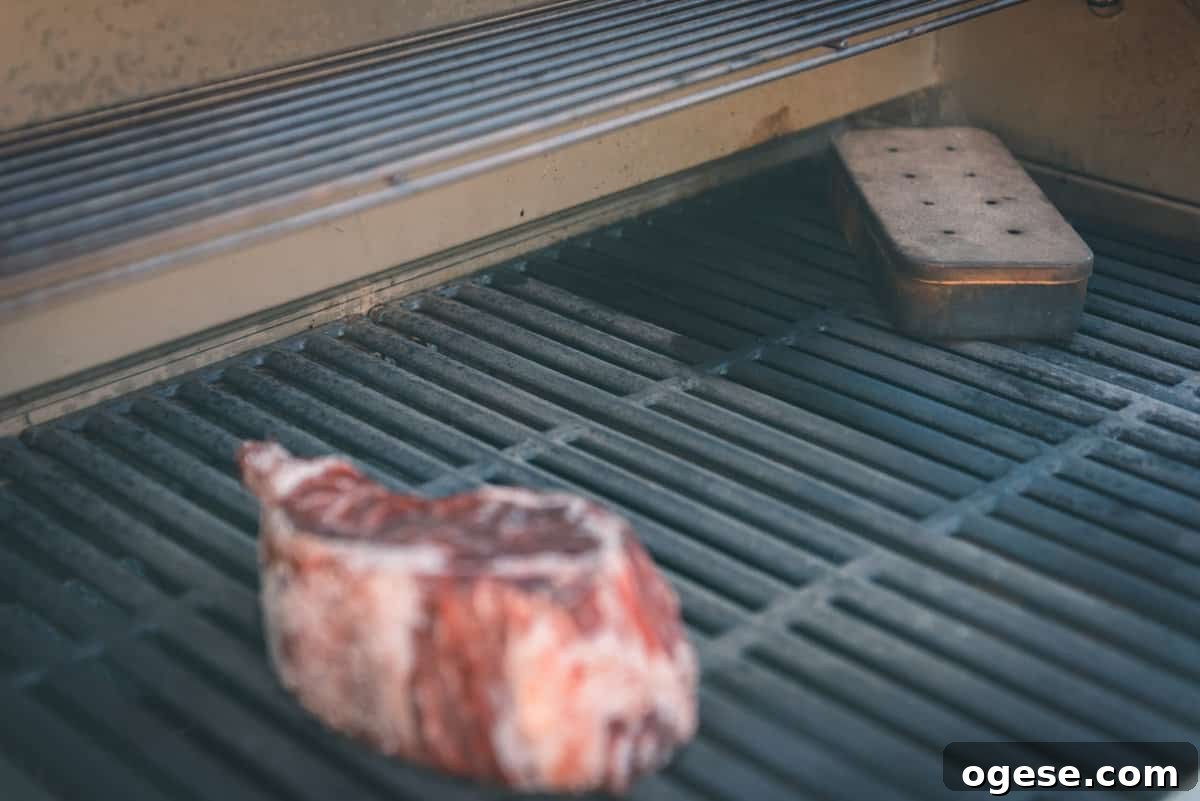
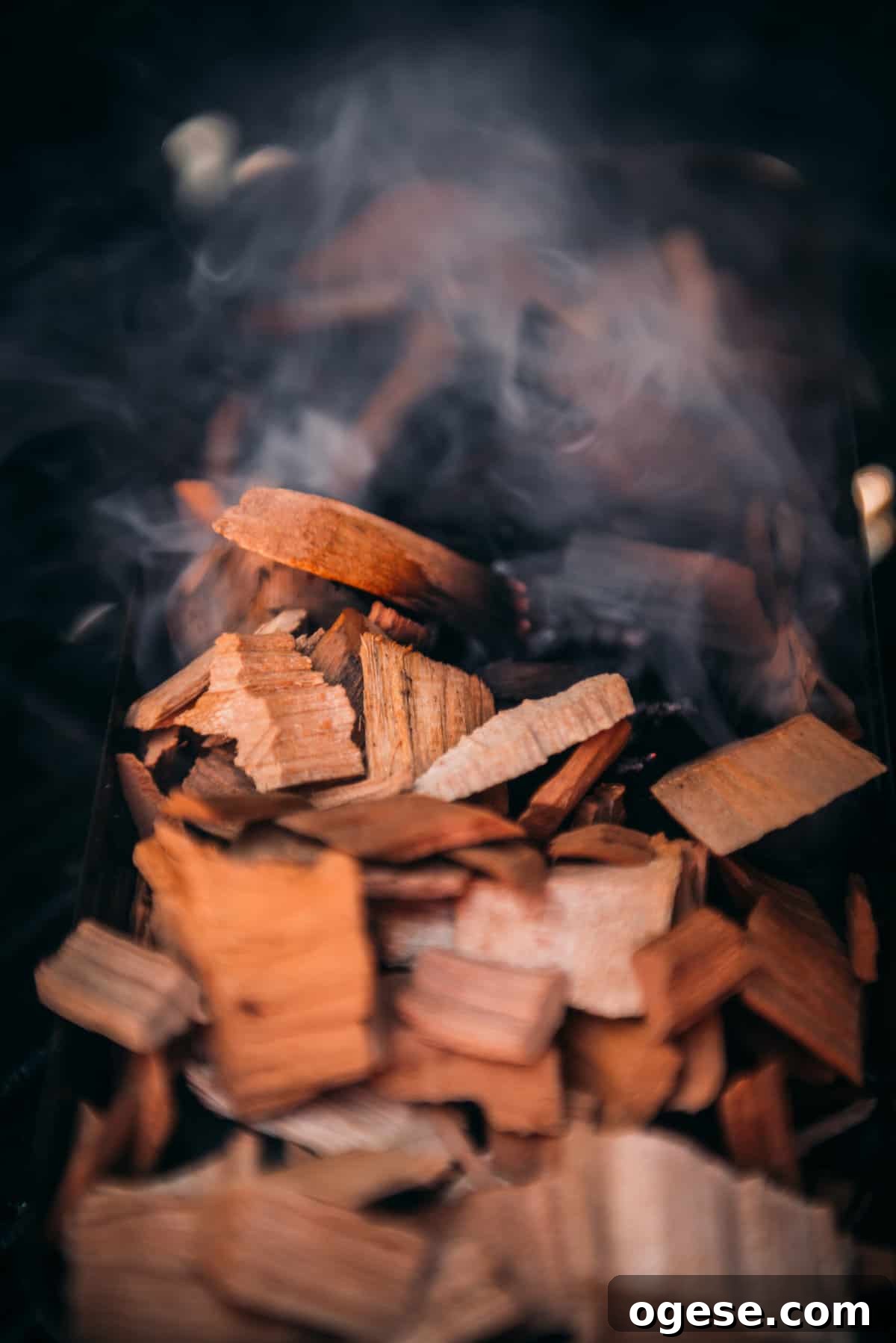
Wood chips are small and produce smoke quickly, making them ideal for gas grills (in a smoker box or foil packet), electric smokers, or quick grilling sessions. They burn fast and need replacing more often, so they’re best for short cooks like burgers or quick smoke infusions.
Chunks are larger and burn longer and more consistently, so they’re a good choice for charcoal grills and longer cooks—think brisket, pork shoulder, and large ribs. Place chunks on hot coals or toward the edges of the fire and wait for clean smoke before adding food.
Pellets are compressed wood made specifically for pellet grills and are the fuel source for those units. They can also be used in pellet tubes on charcoal or gas grills to add smoke. Logs or splits work best in offset smokers or fireboxes, providing steady heat and long burn times for low-and-slow cooks.
When choosing the wood form, consider the cook time, the type of smoker or grill, and the intensity of smoke you want.
Popular Smoking Woods Flavors
Common hardwoods used for smoking include oak, hickory, mesquite, pecan, maple, alder, and fruitwoods like apple, cherry, and peach. Each delivers a different intensity and character, from bold and earthy to mild and sweet. Regional availability and tradition shape how these woods are used, but experimenting will help you find your preferred combinations.
Below are profiles and common pairings for each wood to help you choose.
Oak
Oak is versatile with a medium, steady smoke profile that complements many proteins. It provides consistent heat and a penetrating, balanced smoke without overwhelming the food—great when you want noticeable smoke without taking over the dish. Varieties include white, red, and live oak; reclaimed whiskey-barrel oak can add subtle sweet notes.
Pair Oak with:
- Beef
- Veal
- Poultry
- Pork
- Lamb
- Seafood
- Vegetables
- Cocktails (smoke-infused beverages)
Hickory
Hickory is a classic smoking wood known for its bold, hearty flavor. It works especially well with beef and pork and is a go-to when you want a traditional, intense barbecue profile. Use it sparingly on delicate cuts to avoid overpowering the meat.
Pair Hickory with:
- Beef
- Poultry (in moderation)
- Lamb
- Vegetables
Mesquite
Mesquite delivers strong, earthy, and intense smoke—characteristic of Texas-style barbecue. It burns hot and can quickly overpower food, so use mesquite for robust cuts that can stand up to its assertive flavor. Always wait for clear, thin blue smoke for the best results; avoid heavy, white “dirty” smoke.
Pair Mesquite with:
- Beef
- Pork
- Lamb
- Game
Pecan
Pecan offers a mild, nutty, slightly sweet smoke—stronger than most fruitwoods but gentler than hickory or mesquite. It pairs well with poultry, pork chops, cheeses, and a range of proteins and is popular with backyard cooks looking for a balanced, slightly sweet profile.
Pair Pecan with:
- Beef
- Veal
- Poultry
- Seafood
- Vegetables
- Desserts
- Cheese
Maple
Maple gives a mild, sweet smoke with caramel notes, making it ideal for poultry, pork, and fish. It blends well with oak, alder, or fruitwoods if you want a subtle sweet undertone without overwhelming the dish.
Pair Maple with:
- Pork
- Poultry
- Seafood
- Vegetables
- Desserts
- Sauces
- Cocktails
Alder
Alder imparts a delicate, slightly sweet smoke similar to fruitwoods and is excellent for fish and other delicate foods. Use small chunks or chips when smoking seafood to avoid overpowering the flavor.
Pair Alder with:
- Seafood
- Vegetables
Fruitwoods
Fruitwoods such as apple, cherry, and peach offer mild, sweet flavors that work well with delicate meats and add pleasant color and aroma.
- Apple: Mild and slightly sweet—great with pork, poultry, fish, and especially bacon.
- Cherry: Mild to medium, sweet and fruity—good with pork, lamb, beef, and dark poultry; also adds a rich red color to proteins.
- Peach: Slightly sweet and mild—works well with pork, poultry, and fish.
Fruitwoods can be blended with oak or hickory for balanced, layered flavors.
Pairing Guide (downloadable)
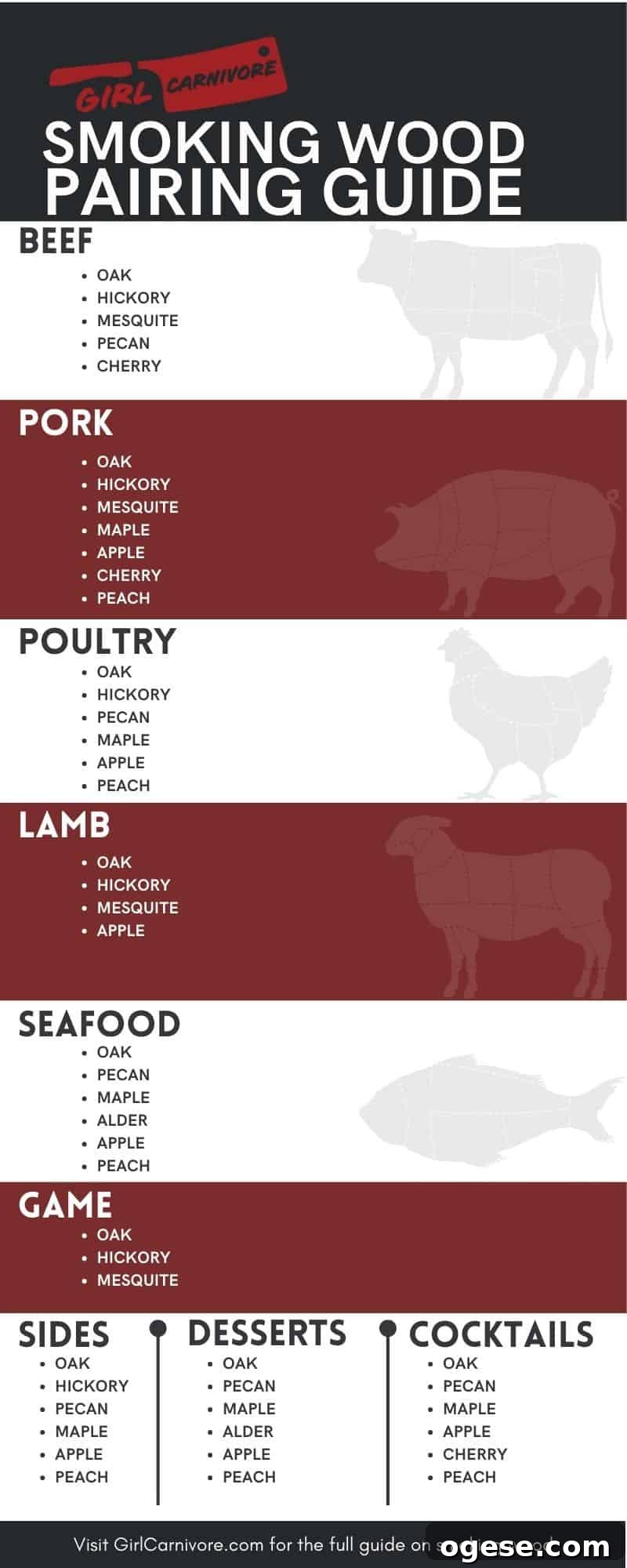
Matching Woods with Specific Meats
Matching wood intensity to the density of the meat helps produce balanced flavor. Big, dense cuts like brisket and pork shoulder tolerate and benefit from stronger woods like oak, hickory, and mesquite. Delicate items—seafood, thin cuts, or dishes like mac and cheese—absorb smoke quickly and do best with milder woods such as alder, apple, or pecan.
- Hickory: Robust, smoky—great for beef and pork.
- Oak: Balanced, versatile—good for almost anything.
- Maple: Sweet, mild—ideal for poultry and fish.
- Pecan: Mild, nutty—use with poultry, pork, cheese.
- Alder: Subtle, delicate—best for seafood.
Experimentation will reveal your preferred pairings and how much smoke you like for each dish.
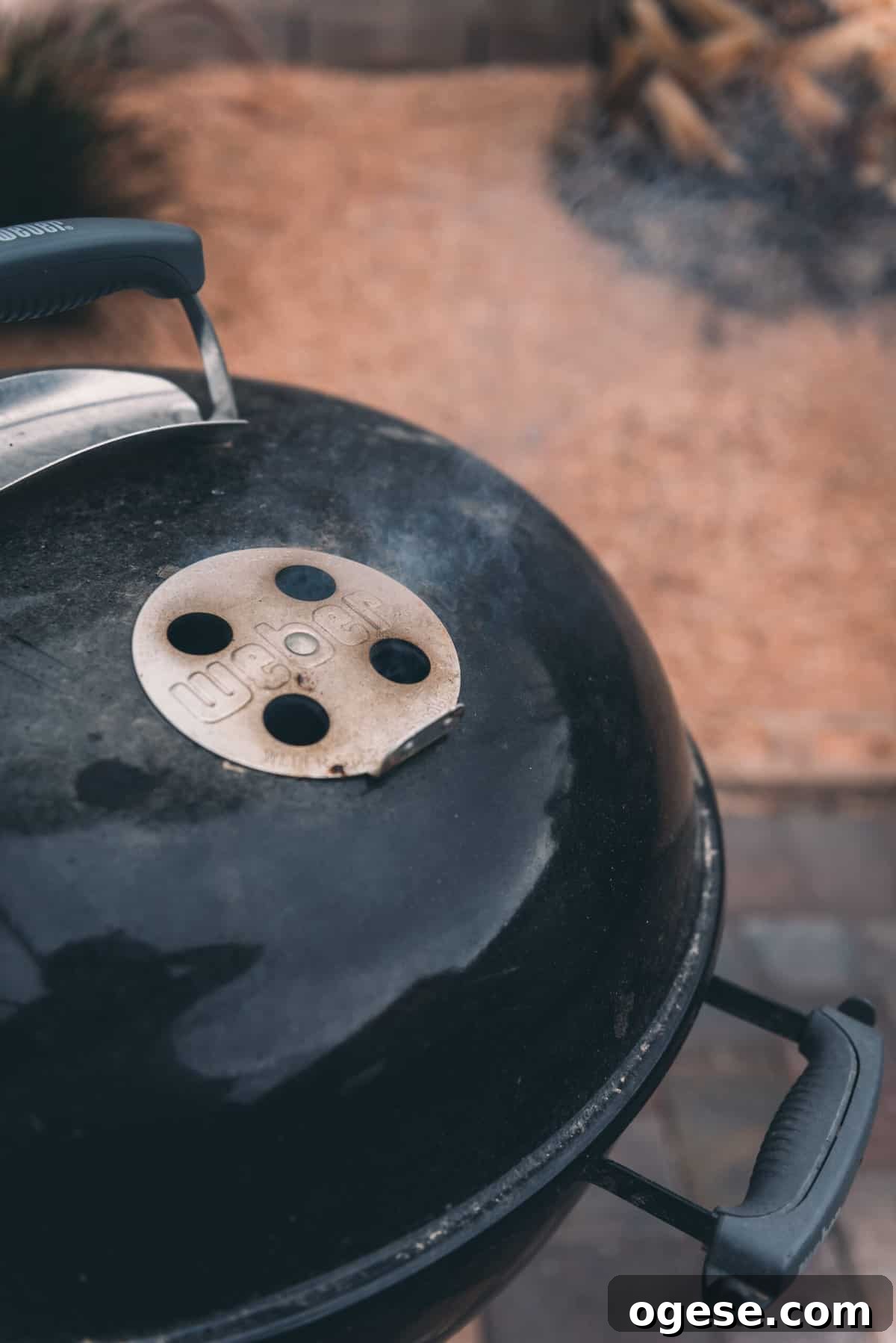
Temps for getting the best smoke flavor
Most smoking is done between 200°F and 225°F to develop flavor while breaking down connective tissue. Some guidelines:
- Poultry: 250–275°F is often used to help crisp the skin while keeping the interior juicy.
- Pork: 225–250°F for ribs and shoulder produces tender pulled pork.
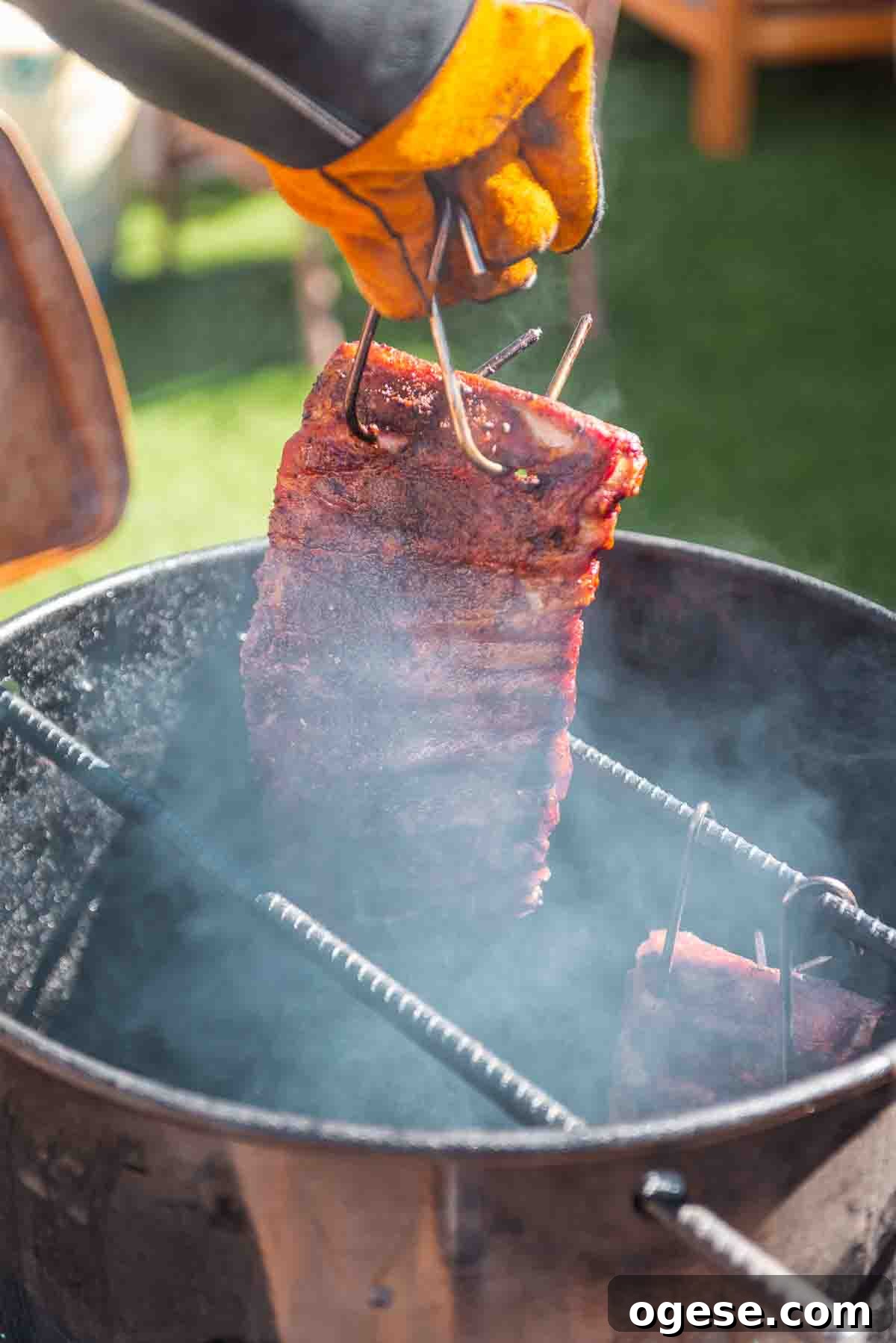
- Beef: 225–250°F for brisket yields a good smoke ring and tender meat when cooked low and slow.
Our favorite smoking recipes
Ground Beef
Smoked Steakhouse Burger
Beef Recipes
Corned Beef Stuffed Baked Potatoes on the Smoker
Beef Recipes
Smoked and Braised Corned Beef
Recipes With Pork
Smoked Pork Belly Burnt Ends with Maple Chipotle Bourbon Glaze
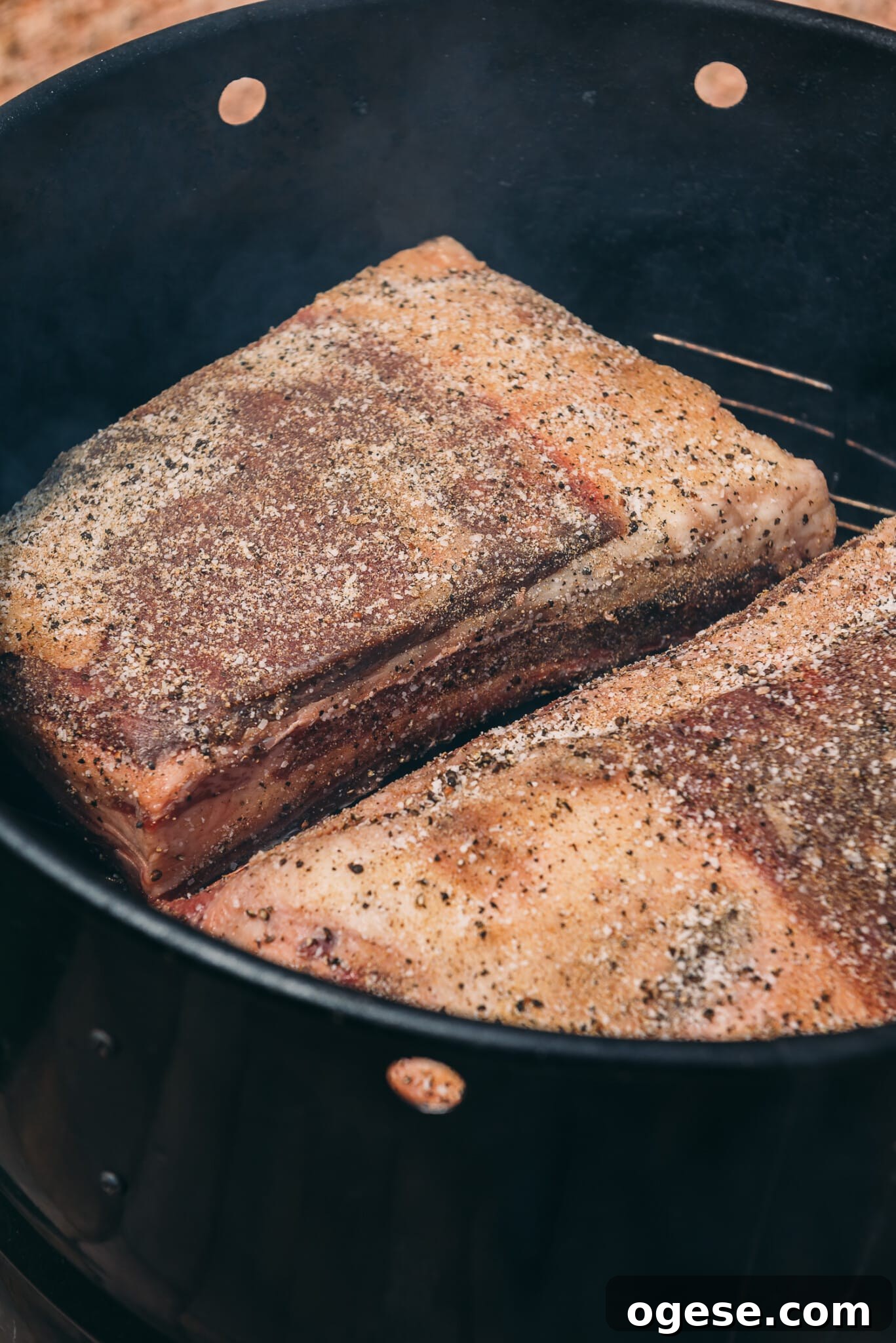
Avoiding Common Mistakes with Smoking Wood
Avoid these common pitfalls to keep smoke clean and flavors pleasing:
- Do not soak wood chips. Soaking produces steam and can create white smoke that imparts off-flavors.
- Avoid green or unseasoned wood. It can burn hot and produce acrid, resinous smoke.
- Don’t overload the fire with wood. Too much wood causes temperature swings and heavy, bitter smoke.
- Wait for clean, blue smoke before placing food on the grill. If smoke smells “dirty,” remove proteins until the fire is controlled.
“When you see and smell dirty smoke, remove your proteins so you avoid imparting them with dirty smoke. Once you have your fire under control and are rolling clean smoke, you can put them back on.”
— Rasheed Phillips, Pro Pitmaster
Use well-seasoned or kiln-dried wood for the best, most predictable smoke. Seasoning typically takes several months of drying in good airflow.
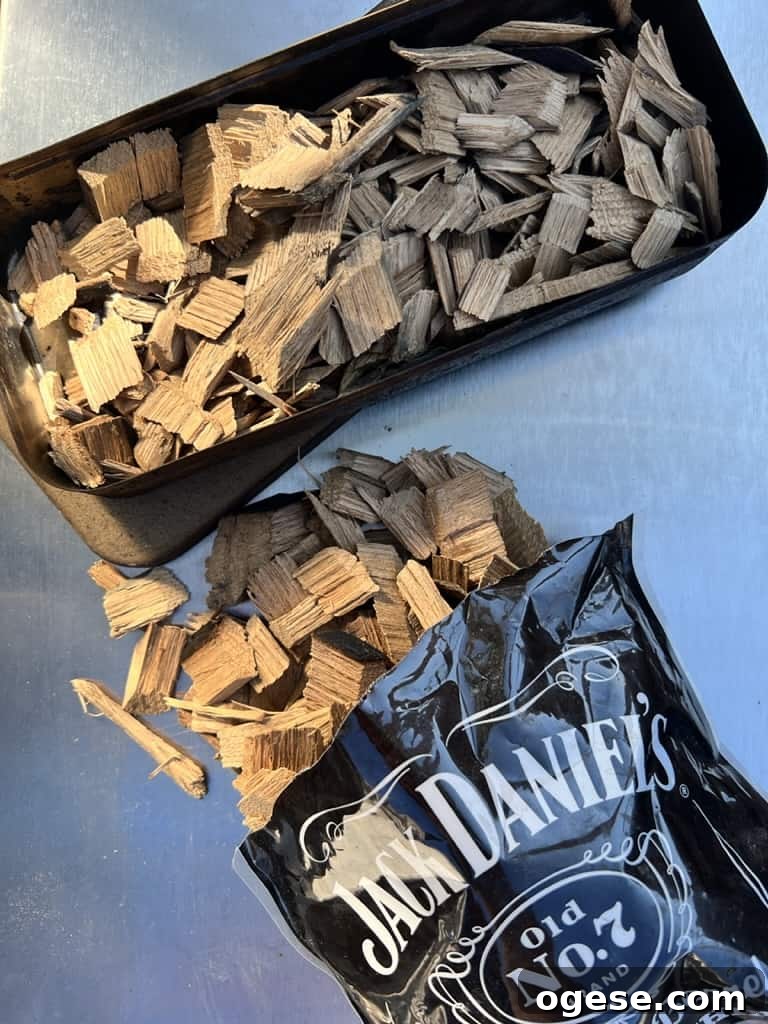
Sourcing Quality Smoking Wood
High-quality hardwoods and proper seasoning are critical. Air-dried wood typically needs 6–18 months to season; kiln-dried wood is an alternative that’s ready to use. When buying, look for natural hardwoods without chemical treatments. Avoid softwoods such as pine, spruce, fir, and redwood because their sap and resins create unpleasant flavors. Never use treated or painted wood.
Sources include specialty wood suppliers, local orchards, and reputable retailers. Cutting and seasoning your own wood gives you control over species and drying time.
Storing and Maintaining Your Smoking Wood
Proper storage preserves flavor and prevents problems:
- Keep it dry: Elevate wood off the ground and cover it with a breathable tarp or roof to shed rain while allowing air circulation.
- Store in a cool place: Garages or sheds work well if kept dry and ventilated.
- Check for pests: Inspect periodically for insects and keep storage tidy.
More helpful grilling guides
Chicken
How to Bread Chicken (Crispy Panko + Buttermilk Method)
Meat Labs
Corned Beef vs Pastrami: What’s the Real Difference?
Chicken
Air Fryer Frozen Chicken Wings (Crispy, Fast, No Thawing)
How To
How to Tell If Salmon Is Done (Visual + Tactile Cues Chefs Trust)
Smoking with wood is part technique, part experimentation. Choose woods, forms, and temps that suit the cut you’re cooking, watch for clean smoke, and avoid green or treated wood. With practice you’ll dial in the flavor profiles that match your taste and your menu.
This guide covered common smoking woods, recommended pairings, temperature ranges, sourcing advice, and storage tips. Use it as a starting point, then experiment with blends and cook times to refine your signature smoked dishes.
FAQs
Hickory and oak are among the most common choices, while maple, mesquite, pecan, apple, alder, and cherry are excellent options depending on the flavor and protein.
Place wood on hot coals and wait until flames subside and smoke becomes thin and clear. Chips smoke almost immediately; chunks can take 5–10 minutes depending on size and bark.
Avoid softwoods such as pine, fir, spruce, redwood, and any chemically treated or painted wood.
No. Soaking is unnecessary and can create steam rather than clean smoke. Start with dry, seasoned wood for the best results.
Chips spark smoke quickly for short cooks, chunks provide steady smoke for longer sessions, and logs give maximum burn time for large smokers and long barbecues.
Apple and hickory are beginner-friendly: apple for mild, sweet smoke and hickory for a classic, approachable flavor.
Yes. Poultry and fish pair well with milder woods like apple or alder, while red meats can handle stronger woods such as hickory or mesquite.
Seasoned wood is lighter, drier, and has a mellow scent; green wood is heavier, damp, and has a fresh or resinous smell.
Start with a handful or two of chips or 3–4 chunks for most grills, then adjust based on smoke intensity and duration.
Smoking wood adds distinctive aromatic flavors that charcoal or gas alone do not provide, though you can combine wood with charcoal or use smoker boxes on gas grills to introduce wood smoke.
Control smoke by adjusting wood amount, wood type, airflow, and smoking time.
Reduce oxygen with vents, move the wood to a cooler area with long tongs, or carefully apply a small amount of water to control flames.