
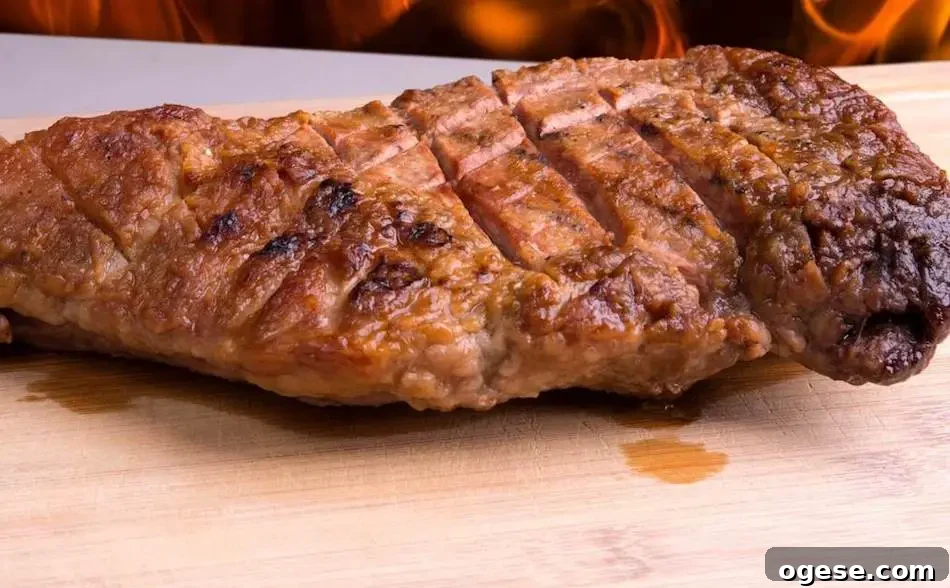
Tri-tip is a flavorful, triangular cut from the bottom sirloin that’s become a favorite among home grillers and pitmasters. Known for its beefy taste and tender texture when cooked correctly, tri-tip responds exceptionally well to smoking on a pellet grill. Below is a clear, practical guide covering preparation, seasoning, pellet choices, and cooking methods to help you smoke tri-tip to juicy, medium-rare perfection.
Partially smoke the tri-tip on the pellet grill at 225°F until the internal temperature reaches about 115°F, then finish with a high-heat sear until the internal temperature reaches 130–140°F. Before cooking, trim and oil the meat, apply a robust rub, and use bold wood pellets like hickory, oak, or pecan to complement the beef.
Key Points
- Tri-tip is a triangle-shaped roast from the bottom sirloin.
- Popular originally in Southern California and now widely enjoyed.
- Reverse-sear on a pellet grill yields the best balance of smoke and crust.
- Smoke at 225°F until the internal temp reaches ~115°F, then sear to 130–140°F.
- Trim excess fat but leave about 1/4″ of fat cap for flavor and protection.
- Brush with olive oil or another binder, then apply a thick rub (Texas rub: 50/50 coarse black pepper and kosher salt).
- Choose beef-friendly pellets: hickory, oak, pecan, or try mesquite for a stronger smoke.
- Allow meat to rest 5–10 minutes and slice against the grain for the best texture.
Tri-Tip on a Pellet Grill
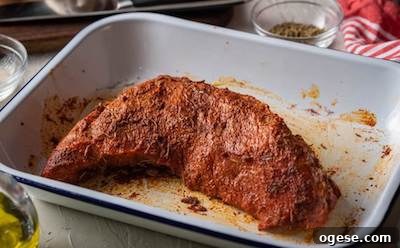
Tri-tip is best when slow smoked then reverse-seared, yielding a tender, juicy roast that shines at rare to medium-rare.
10 minutes
2 hours
5 minutes
2 hours 15 minutes
Ingredients
- Tri-tip
- Dry rub
- Salt and pepper
- Olive oil (or other binder)
Instructions
- Trim excess fat but leave about 1/4″ of fat cap to help keep the meat moist.
- Brush the tri-tip lightly with olive oil or your preferred binder to help the rub adhere.
- Apply a generous layer of barbecue rub or a simple Texas rub (50/50 coarse black pepper and kosher salt).
- Load your pellet grill with wood pellets suited to beef—hickory, oak, pecan, or mesquite for stronger smoke.
- Set the pellet grill to 225°F and smoke the tri-tip until the internal temperature reaches roughly 115°F (about 1.5–2 hours depending on size).
- Remove the tri-tip and sear over high heat—3–4 minutes per side—until the internal temperature reaches 130–140°F.
- Let the tri-tip rest for 5–10 minutes, then slice thinly against the grain and serve.
Nutrition Information:
Amount Per Serving:
Calories: 175
What is Tri-Tip?
- Tri-tip, or triangle roast, is cut from the bottom sirloin and prized for its rich flavor and tenderness.
- Lean compared with some other roasts, making it a reasonable choice for those watching fat intake.
- Grew from a regional favorite in Southern California to a globally enjoyed cut as recipes spread online.
- Smokes much faster than cuts like brisket, often under two hours using the reverse-sear technique.
Tri-tip is named for its triangular shape and is lean yet flavorful. Because it doesn’t require the long, slow cook of heavily marbled roasts, it’s a great candidate for pellet grill smoking and the reverse-sear approach. Most enthusiasts prefer tri-tip rare to medium-rare to showcase its natural beef flavor and to maintain juiciness.
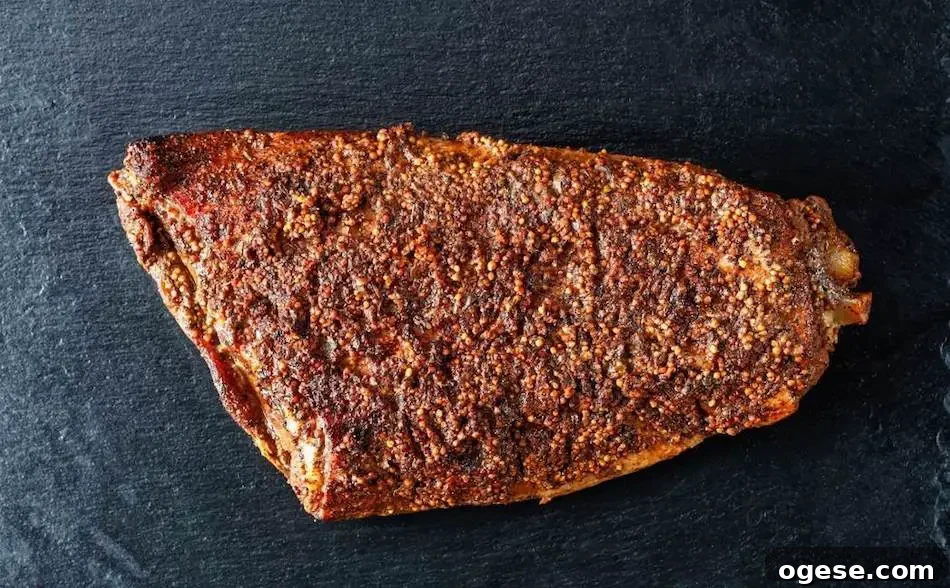
Reverse-Seared Tri-Tip
- Reverse sear: low-and-slow smoking first, then a quick final sear at high heat.
- Allows even cooking and smoke absorption while avoiding an overcooked exterior.
- Creates a deep smoky flavor and a flavorful crust when finished over high heat.
- Works well for other lean cuts like filet mignon, lamb chops, and pork tenderloin.
Reverse searing delivers consistent doneness from edge to center. By slowly bringing the internal temperature up with low heat and smoke, you minimize the gray band and get an even pink interior. A final sear then forms a caramelized crust and adds texture and flavor.
| Step | Description |
|---|---|
| 1 | Trim fat, leaving 1/4″ fat cap |
| 2 | Brush with olive oil |
| 3 | Apply rub (Texas rub: 50/50 pepper and salt) |
| 4 | Fill pellet hopper with hickory, oak, pecan, or mesquite |
| 5 | Set grill to 225°F |
| 6 | Smoke 1.5–2 hours until ~115°F internal |
| 7 | Sear 3–4 minutes per side until 130–140°F internal |
| 8 | Rest 5–10 minutes, then slice against the grain |
Note: You can also cook hot-and-fast at 325°F, rotating the meat every 15 minutes and monitoring internal temperature closely. Remove for searing once it reaches 115°F. Experiment with pellet blends—mixing a stronger wood like hickory with a fruitwood like cherry gives complexity without overpowering the beef.
Preparing Your Tri-Tip
- Leave approximately 1/4″ fat cap; trim excess fat.
- Evenly expose meat for consistent cooking and rendering.
- Fat protects the meat from drying and adds flavor as it renders.
Trim any large pockets of hard fat but keep a thin layer for flavor and insulation. Aim for an even surface so the meat cooks uniformly and the fat renders into the roast.
The Best Dry Rub for Tri-Tip
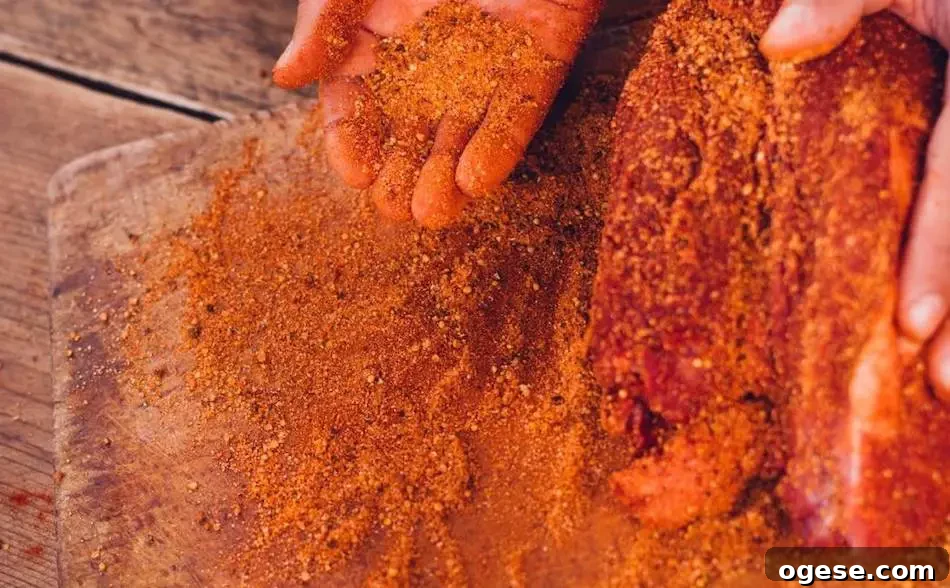
A classic and effective approach is a simple Texas-style rub: coarse black pepper and kosher salt in equal parts. For extra complexity, add garlic powder and granulated onion. If you prefer a packaged rub, check the salt content before combining with any pre-salting to avoid over-seasoning.
Standard Barbecue Rub
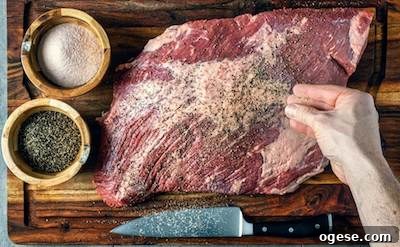
A versatile rub I use regularly; adjust ingredients to suit the cut and desired flavor profile.
10 minutes
10 minutes
Ingredients
- ½ Cup Paprika
- ½ Cup Salt
- ½ Cup Sugar
- ½ Cup Granulated Garlic
- ¼ Cup Granulated Onion
- ¼ Cup Chili Powder
- ¼ Cup Cumin
- 2 Tablespoons Black Pepper
- 2 Tablespoons Dry Mustard
- 1 Tablespoon Cayenne Pepper
Instructions
- Combine all spices in a large bowl and mix thoroughly.
- Store the rub in airtight containers or shaker jars for easy use.
Apply a Binder so the Seasoning Sticks
- Binders help rub adhere and create even seasoning.
- Common binders: olive oil, yellow mustard, water, or pre-salting.
- Without a binder, rub coverage may be uneven and bark can be patchy.
A thin coat of olive oil or mustard gives the dry rub something to cling to and helps form an even crust during smoking. Pre-salting also draws moisture to the surface, creating a tacky layer that acts as a natural binder.
Best Wood Pellets For Tri-Tip
Hickory: Strong, classic smoke with a touch of sweetness—great for beef.
Oak: Mild, slightly sweet, and versatile; a reliable all-purpose choice.
Pecan: Mild, nutty, with a hint of caramel—rich but not overpowering.
Mesquite: Bold and intense; use sparingly or for short cooks to avoid overpowering the meat.
Cherry: Mild, sweet, and fruity; pairs well when blended with stronger woods.
For tri-tip, hickory, oak, or pecan are excellent staples. Mixing a strong hardwood with a fruitwood (for example, 50/50 hickory and cherry) can add depth without overwhelming the beef.
| Wood Type | Flavor Profile |
|---|---|
| Hickory | Strong, smoky with slight sweetness |
| Oak | Mild, slightly sweet, nutty |
| Pecan | Mild, sweet, nutty, caramel notes |
| Mesquite | Strong, intense smoke |
| Cherry | Mild, sweet, fruity |
The Ideal Cooking Temp for Tri-Tip
- 225°F is ideal for smoking tri-tip with a reverse-sear finish.
- Cook time is typically under 2 hours at this temperature.
- Use an instant-read or leave-in thermometer to monitor internal temp.
- Remove at about 115°F and sear to reach 130–140°F for medium-rare.
- Rest before slicing to allow juices to redistribute.
Maintaining a steady 225°F gives you reliable results and consistent smoke absorption. The internal target before searing is around 115°F; after searing, aim for 130–140°F depending on how rare you prefer it.
Smoking Tri-Tip Hot and Fast
Hot-and-fast involves cooking at higher grill temperatures, around 325°F. This reduces total cook time—often to about an hour—but requires close attention. Rotate the roast every 15 minutes and monitor the internal temperature with a probe. Once it reaches 115°F, finish with a sear until 130–140°F internal. This method works best for tri-tips under 2″ thick.
How Long Does it Take To Cook Tri-Tip on a Traeger?
- About 2 hours at 225°F for smoking and reverse-searing.
- About 1 hour at 300°F or higher for a hot-and-fast approach.
- Allow 5–10 minutes rest before slicing.
Actual times depend on size, thickness, and ambient temperature, so rely on internal temperature rather than clock time alone.
Do You Flip Tri-Tip?
Pellet grills generally circulate heat evenly, but hotspots can occur. Rotate or flip the tri-tip as needed to promote even cooking. If one side cooks faster, move or rotate the roast so it cooks uniformly and absorbs smoke consistently.
Fat Side Up Or Fat Side Down?
Either orientation works. Fat-side-down can protect the underside from direct heat, while fat-side-up lets rendered fat baste the meat. Choose based on your grill’s heat distribution and personal preference.
Do You Wrap Tri-Tip in Foil?
Wrapping (the “Texas crutch”) is generally unnecessary for tri-tip because it cooks relatively quickly. Wrapping is more useful for long cooks to speed cooking and retain moisture; for tri-tip, leaving it unwrapped preserves bark and smoke flavor.
Tri-Tip Done Temperature
Tri-tip is best served medium-rare: 130–140°F. Cooking beyond this range risks drying the lean meat. If possible, choose higher-grade beef (Choice or Prime) for better marbling and juiciness.
Searing on a Traeger Ironwood or Timberline
Models like the Traeger Ironwood and Timberline can reach high sear temperatures by lowering racks and increasing heat. If your pellet grill lacks a sear function, finish on a hot gas or charcoal grill or in a hot cast-iron pan. For Ironwood/Timberline: smoke to 115°F at 225°F, then raise to 500°F and sear 3–4 minutes per side to reach final temperature.
Use a Good Thermometer
A reliable thermometer removes guesswork. A two-probe wireless unit or a quality instant-read thermometer will keep you accurate and confident during the cook. Monitor both grill and meat temps when possible for consistent results.
Slicing Tri-Tip
Always slice against the grain to keep slices tender. Identify the grain direction before cutting and slice perpendicular to it in thin, even slices.
Smoke Ring
A visible smoke ring is a common and desirable outcome of proper smoking. It’s a surface reaction from smoke exposure and is separate from doneness—rely on internal temperature, not color alone, when judging doneness.
Brisket vs Tri-Tip
Brisket and tri-tip are different beasts. Brisket is large, fatty, and full of connective tissue that requires long, slow cooking to break down. Tri-tip is smaller, leaner, and cooks much faster. Both can be excellent when prepared appropriately, but they demand different techniques and timelines.
Recommended Tools
Essentials include a reliable dual-probe or wireless thermometer, a fast instant-read thermometer, quality butcher paper for larger roasts, and a solid set of tongs and carving tools. These will make consistent, repeatable results much easier to achieve.