Ever since I was a small child, I’ve been captivated by nature, wildlife, and the tiny details that connect everything. My interest led me away from dolls early on and toward horses, then cameras, and a lifetime of watching and learning from the outdoors.
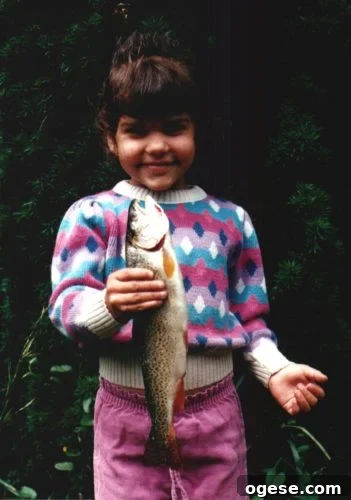
While friends read novels or worried about fashions and flirting, I preferred books about animals, farms, and wild places. Makeup and boys? No thanks. Give me a good camera so I could capture the wildlife I waited patiently to see. I also developed a lifelong love of fishing. Perhaps because I spent so much time outside, I learned to recognize the beautiful, interwoven relationships within nature. Nothing exists in isolation; each element depends on others and contributes to an intricate, balanced whole.
That same pattern of connection and mutual support has shown up repeatedly as I raise food for our family. It appeared again this spring in a small but memorable way in our tomato patch. Here’s what happened.
My Dying Tomato Patch
After the last frost passed in early summer, I planted most of my tomato starts in the hugelkultur kitchen garden beds. I soon realized I had more starts than bed space. Over a dozen seedlings remained with no ideal spot to go; every good planting area was already taken. The only available place was a cottage garden bed on the south side of our home — sandy, gravelly soil that offered little hope for hungry tomato starts.
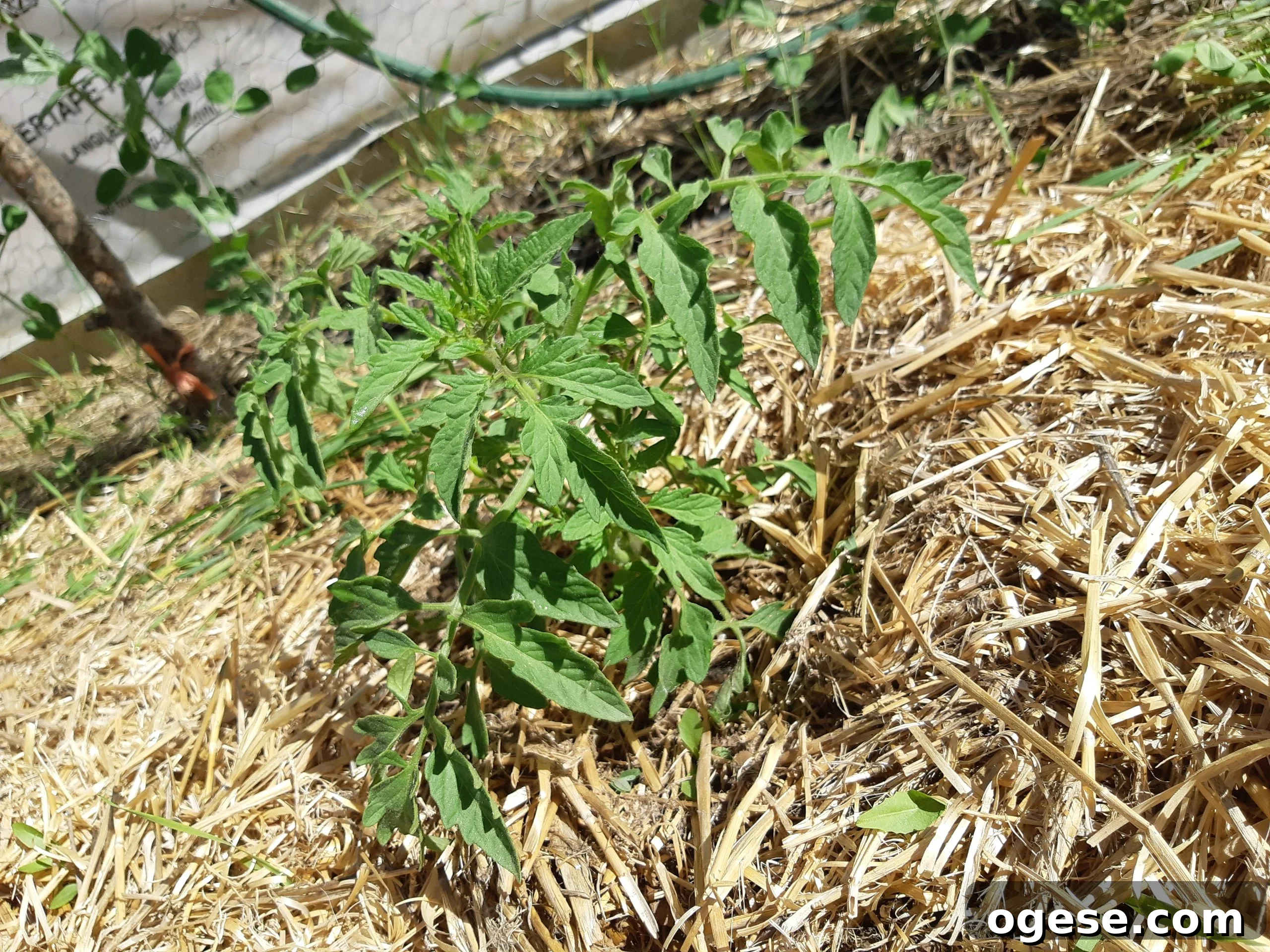
Faced with the choice to plant or toss them, I set the tiny six-inch plants in that heavily mulched, poor soil and hoped for the best. Over the following weeks the plants languished. New growth stopped, leaves turned deep purple, and the stems drooped. I assumed they were dying.
Well, you don’t get everything right the first year on new ground, I thought. Still, I kept watching and considering options.
Using Dirty Duck Water for Liquid Fertilizer
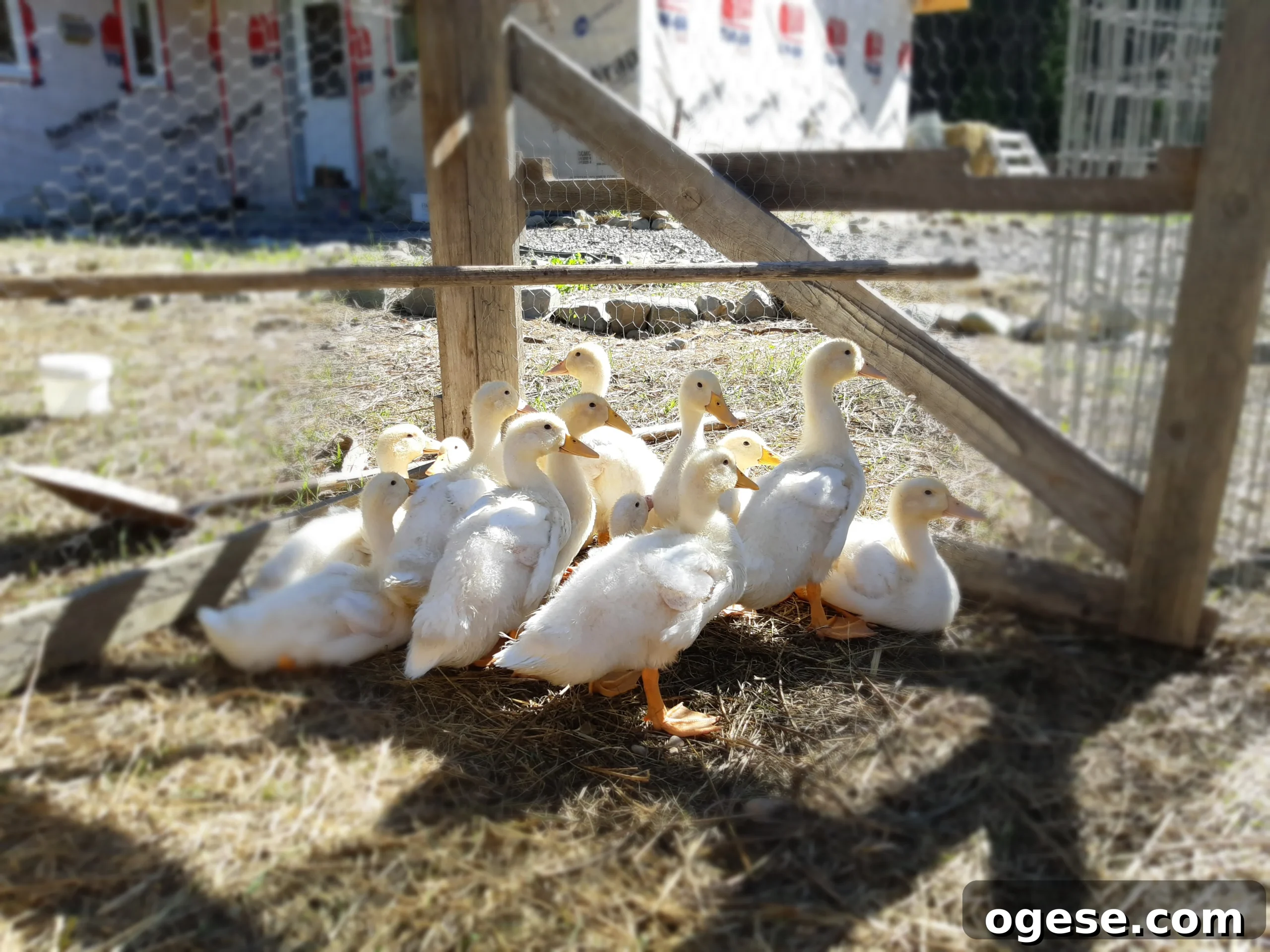
One morning while changing the ducks’ swimming water, I had a sudden idea: why not use the dirty, manure-rich water to feed the struggling tomatoes? The discoloration of the duck water made it obvious that it contained a lot of organic matter and nutrients. My plants weren’t thriving, so it felt worth a try.
I filled a five-gallon bucket with the soiled water and walked it to the cottage bed. Unsure how concentrated the nutrients might be, I poured the liquid around the base of each plant rather than onto the foliage, to avoid burning tender leaves.
Results of Watering Tomatoes with Homemade Liquid Fertilizer
Over the next several days I repeated the treatment a few times. The change was surprising and quick: leaves that had been purple and drooping became green and perky, and the plants visibly revived. They even showed a little growth. It felt like I’d found a simple, practical solution — a homemade liquid fertilizer made from duck water.
This approach turned out to be useful not only for tomatoes planted in poor, sandy soil, but for potted plants as well. The nutrient-rich water from a poultry or duck pen, used thoughtfully, can provide a boost where compost or soil amendments are hard to mix in.
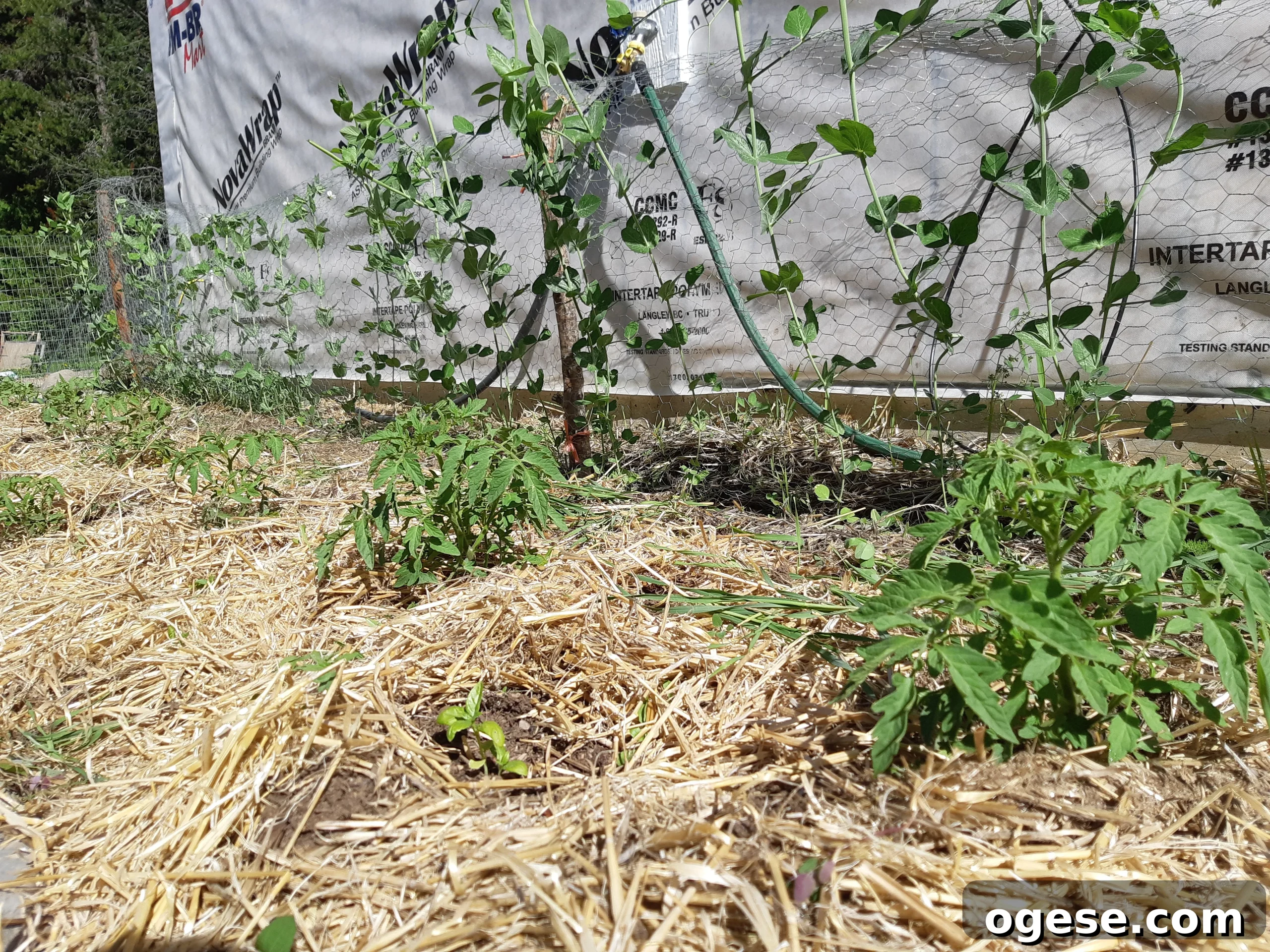
My tomato plants have continued to grow since that first rescue. They aren’t towering giants, but they’re alive, blooming, and producing the promise of fruit. I love that ducks — and a little creativity — helped save those plants. It’s a small but powerful reminder of the interconnected design I admire in nature. Each element in our yard contributes something: animals, soil, water, and human care all combine to support life.
If you keep poultry or waterfowl, consider using the soiled pen water around the roots of plants in need, applied cautiously and diluted by nature when poured into beds. Observing how a humble practice like this revived my tomatoes was both practical and uplifting — evidence that, often, the best solutions are found by paying attention to the relationships already at work in the garden.