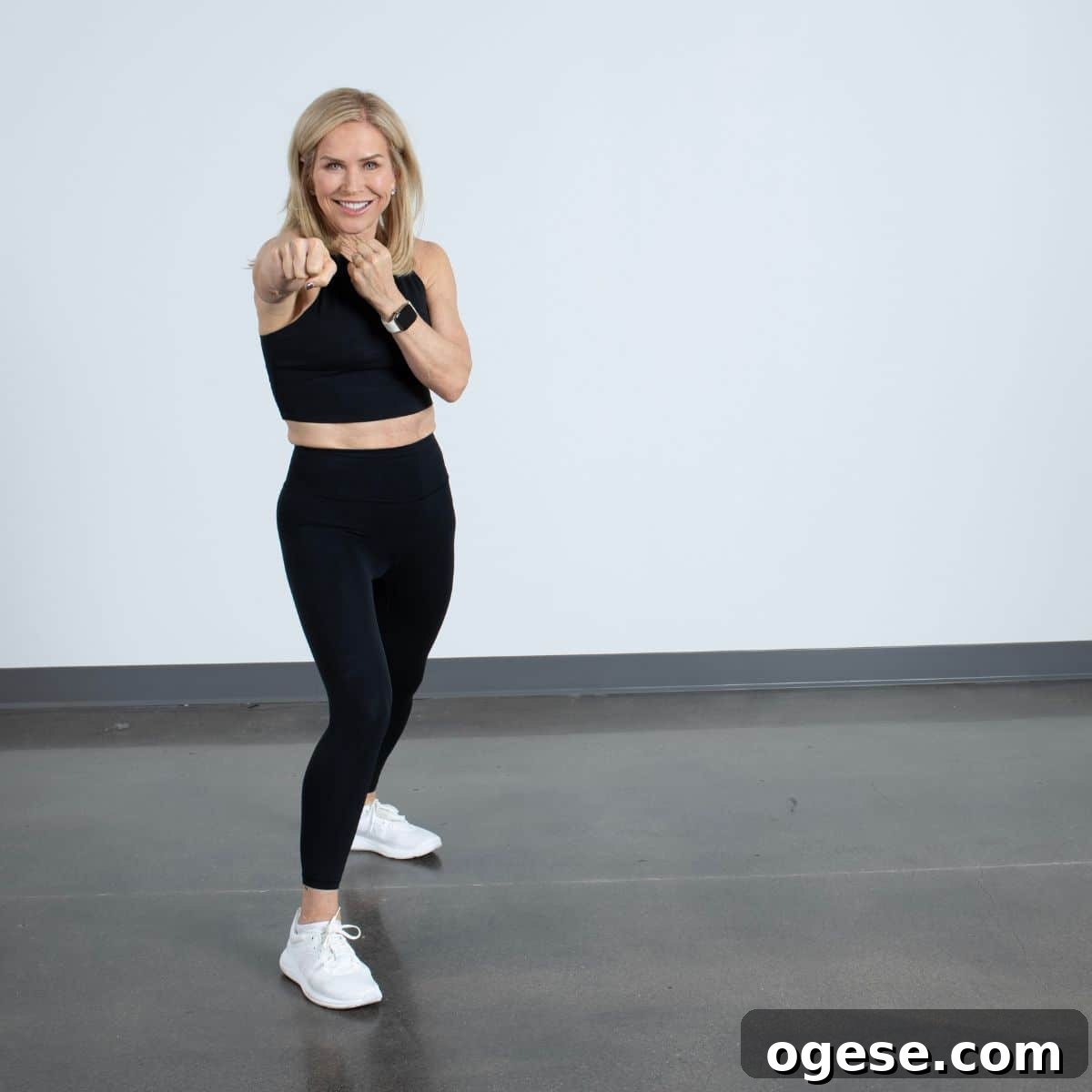
This 10-minute Tabata workout for beginners is an efficient, effective way to get a full-body session in a short timeframe. If you want to prioritize smart, focused training over long sessions, this routine is a perfect fit. It’s designed to boost your cardiovascular fitness and strengthen muscles with minimal time commitment.
Tabata is a specific form of high-intensity interval training (HIIT). The classic Tabata structure uses 20 seconds of intense effort followed by 10 seconds of rest, repeated for eight cycles in a row, which totals four minutes of work. That concentrated pattern makes it possible to achieve meaningful fitness gains in very little time, especially when combined with accessible, beginner-friendly exercises.
Although HIIT is sometimes presented as an advanced approach, the Tabata format can be adapted for beginners by choosing simple movements and adjusting intensity. This 10-minute beginner Tabata alternates a few foundational exercises so you can safely build endurance, strength, and movement confidence without equipment.
You can do this workout anywhere—at home, in a park, or while traveling. All you need is a bit of floor space and a willingness to move at a brisk, controlled pace. The structure below keeps things straightforward and repeatable, so you can progress as your fitness improves.
Tabata Workout Instructions
Follow these clear steps to complete the 10-minute Tabata session.
- Warm up for one minute: jog in place, march with arm swings, or perform gentle dynamic movements to raise your heart rate.
- For each exercise, work as intensely as you can for 20 seconds, then rest for 10 seconds.
- Complete the four chosen exercises twice in sequence to make a single 4-minute Tabata block.
- Eight cycles of 30 seconds each equals four minutes of Tabata-style training.
- Repeat the full 4-minute block once more to reach eight minutes of work in the Tabata pattern.
- Finish with a one-minute cool down: slow your breathing, walk around to bring your heart rate down, and perform a few light stretches.
As you grow more comfortable with the format, you can increase intensity, add another round, or swap in different exercises to challenge your body in new ways. Consistency and gradual progression are key to continued improvement.
Below are clear descriptions of each exercise in the routine along with helpful cues to keep your form safe and effective. Images are included to show proper positioning.
Remember to warm up gently and cool down after the set to reduce injury risk and improve recovery. This approach makes the full session a reliable 10-minute Tabata workout for beginners.
1. Plié Squat
Plié squats are an accessible lower-body move that target the glutes, quads, and inner thighs. They’re especially useful for building hip mobility and lower-body strength while keeping the movement controlled and joint-friendly.
How to Perform a Plié Squat:
- Stand with your feet slightly wider than shoulder-width and turn your toes outward. Keep your chest lifted and core engaged.
- Bend your knees and lower your hips down and back, keeping your weight in your heels and your torso upright.
- Drive through your heels and squeeze your glutes to return to standing, emphasizing an inner-thigh squeeze at the top of the movement.
2. Jumping Jacks
Jumping jacks are a classic, full-body cardiovascular move that elevates the heart rate, improves coordination, and increases endurance. They are simple to scale by adjusting speed and range of motion.
How to Perform Jumping Jacks:
- Start standing with a slight bend in the knees and arms relaxed by your sides.
- Jump or step outward, bringing your arms overhead and widening your legs slightly beyond shoulder width, then return to the starting position. Maintain a soft knee bend throughout.
- Modify with a step touch instead of jumps if you need lower impact.
3. Cross Behind Lunges
Cross behind lunges—sometimes called curtsy lunges—work the glutes, quads, and inner thighs while also challenging balance and stability. They are a great single-leg strength exercise to include in a short routine.
How to Perform a Cross Behind Lunge:
- Stand tall with feet hip-width apart and hips facing forward.
- Shift your weight onto one leg and step the other foot behind and across, lowering your hips into a diagonal lunge while keeping your torso upright.
- Press back to the starting position and repeat on the opposite side. Maintain steady control to protect your knees.
4. Punching
Fast, controlled punches are an effective way to raise your heart rate and engage the upper body without equipment. This movement improves shoulder endurance, coordination, and core stability when performed with intention.
How to Perform the Punching Exercise:
- Stand with feet slightly wider than hip-width, knees soft, and core engaged to keep your torso stable.
- Punch forward one arm at a time in quick, controlled repetitions. Focus on snapping the arm and maintaining good posture rather than relying on momentum.
- Keep breathing steadily and use the rotation through the torso for power while protecting the neck and shoulders.
Incorporate this 10-minute Tabata into your weekly routine two to three times per week to add a fast, effective cardio-strength session. As you progress, increase intensity, extend rounds, or substitute other movements to continue improving fitness while keeping sessions compact and time-smart.