
If you have questions about eggs, we have answers — how to store them, how to check their freshness, and ideas for using all those extras after holiday celebrations.

How are eggs sold?
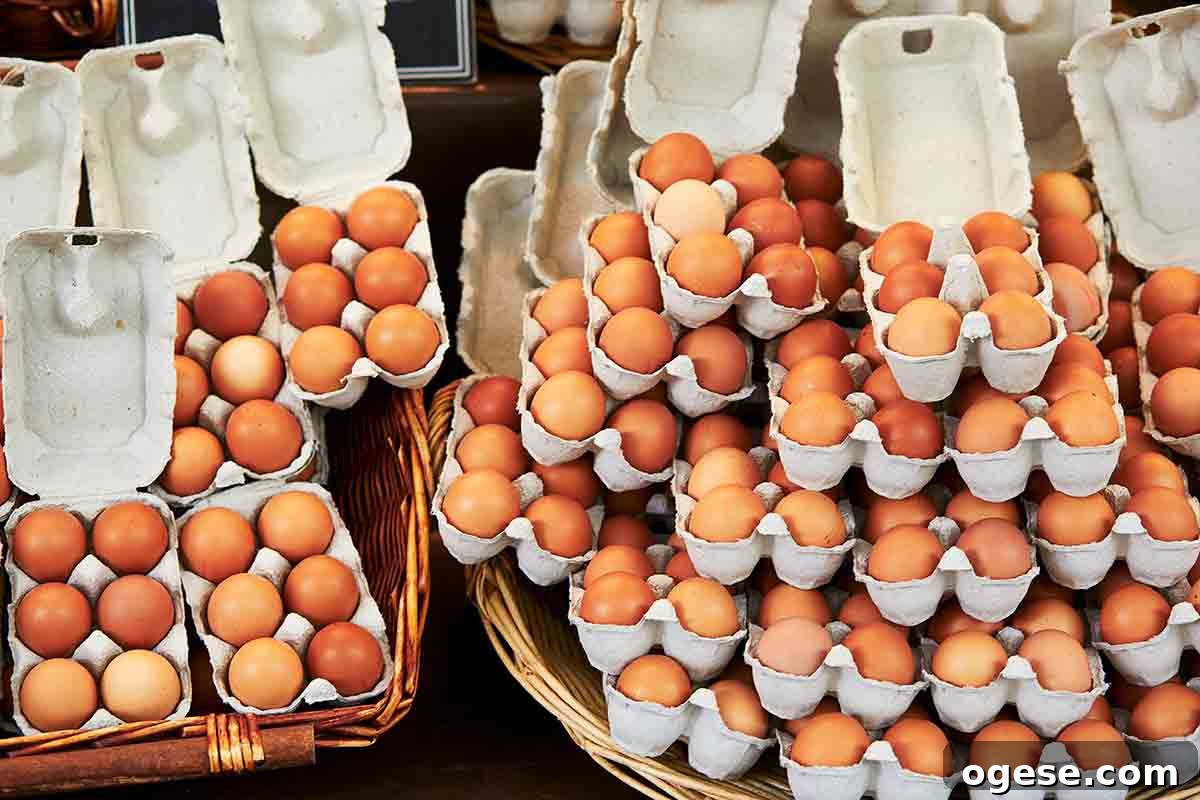
Where you live determines how eggs are sold. In the U.S., Japan, Australia, Canada and parts of Scandinavia, eggs are kept in the refrigerated dairy case alongside milk and cheese. In many other countries — including Britain, France and much of Asia — eggs are commonly sold unrefrigerated.
Many nations require eggs to be washed before sale. Washing reduces surface contamination from Salmonella and other bacteria, a practice that started as a public-health measure, particularly for birds raised in close confinement.
Why must they be refrigerated?
When eggs are washed, the process removes the natural protective coating on the shell. Without that layer, eggs are more vulnerable to bacteria and should be kept refrigerated immediately. Unwashed eggs retain the protective cuticle, which helps reduce bacterial entry and allows safe unrefrigerated sale in some countries.
After refrigeration, avoid leaving eggs out for long periods. Condensation on a cold eggshell left in warm air can promote bacterial growth and increase the risk of contamination. Bringing refrigerated eggs to room temperature briefly for a recipe is acceptable, but use them within two hours.
What’s the proper way to refrigerate eggs?
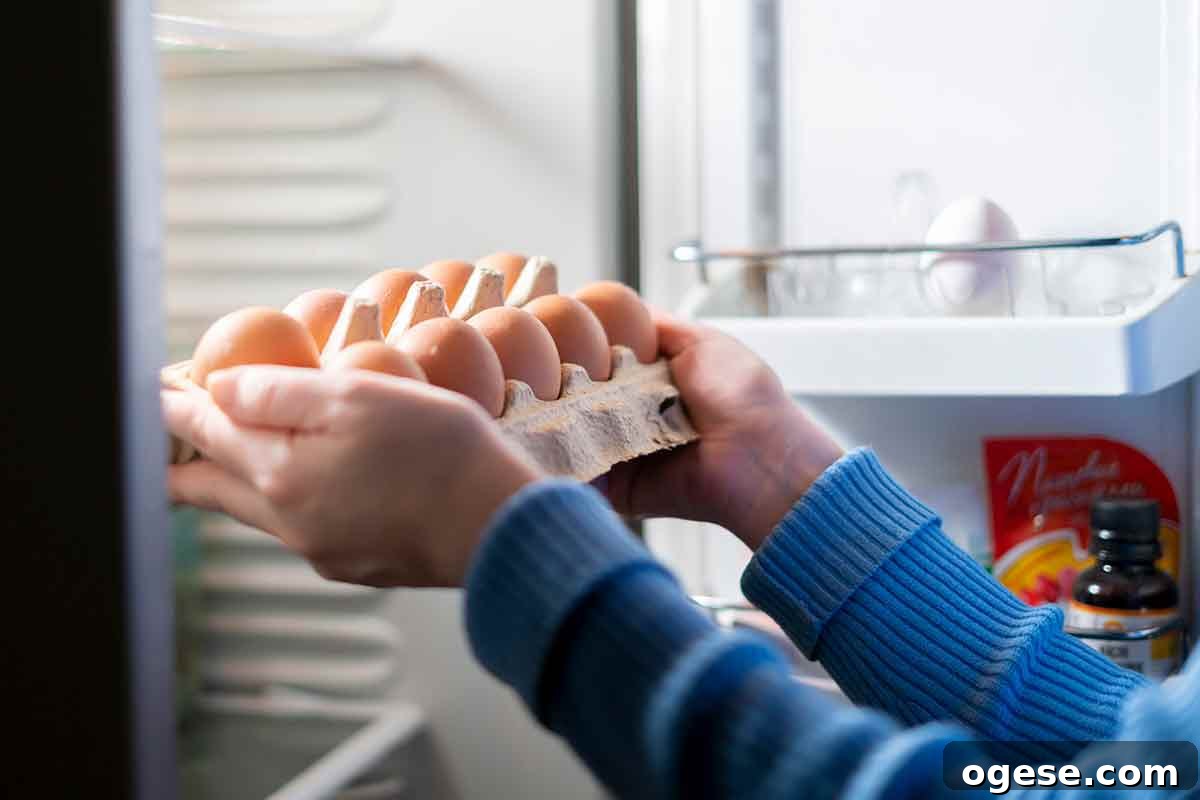
Store eggs at 40°F (4.5°C) or colder, preferably in their original carton on an interior shelf of the refrigerator. The door experiences temperature fluctuations, so it’s not the ideal spot. The carton preserves moisture, prevents the eggs from absorbing strong odors and reduces breakage.
Shelled raw eggs should be kept in a tightly sealed container. If storing yolks separately, cover them with a little water to prevent drying; drain gently before use.
Can I freeze raw eggs?
Yes. Freeze eggs only after removing them from the shell. Whole eggs, yolks or whites can be frozen in portioned containers. Thaw overnight in the refrigerator before use.
Yolks tend to thicken when frozen. To prevent this, beat in 1/8 teaspoon salt or, for sweet applications, 1 1/2 teaspoons sugar or corn syrup per 1/4 cup yolks (about four large yolks) before freezing. Label containers clearly if you’ve added salt or sugar.
What do the dates on cartons mean?

Understanding carton dates helps you judge freshness.
Sell-by date
Retailers often remove eggs from shelves on the sell-by date, though the eggs usually remain safe to eat beyond that date.
Expiration date
The expiration date marks the last day recommended for use. Eggs may still be usable after that date, but the U.S. Department of Agriculture recommends discarding them beyond the expiration date.
Pack date
Graded eggs must show a pack date — the day they were washed, graded and packaged — printed as a three-digit Julian number (001 = Jan 1, 365 = Dec 31). If no sell-by date is provided, count about four to five weeks from the pack date as a reasonable window for use.
How can I tell if my eggs are fresh?
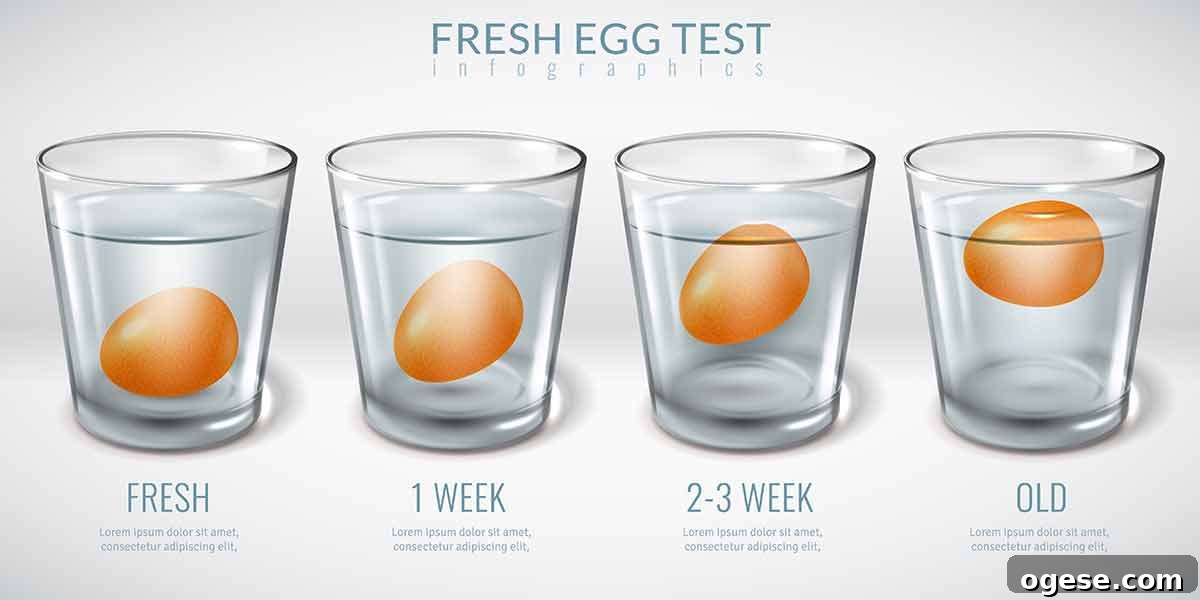
The sell-by and expiration dates are the primary indicators of freshness, but the float test is a simple backup method. Place an egg in a bowl of tepid water. Fresh eggs sink and lie flat on the bottom. As eggs age, moisture escapes and is replaced by air; older eggs tilt upward or float. The float test estimates age, not safety. If in doubt, crack the egg into a separate dish and check for off odors or unusual appearance before using.
Uses for fresh eggs
Very fresh eggs are best when you want clean flavor and firm structure: poaching, frying, soft-boiled and delicate custards benefit from fresh eggs.
Uses for older eggs
Slightly older eggs are fine for baking and recipes where texture and peak freshness matter less.
What causes the different colors of eggshells?
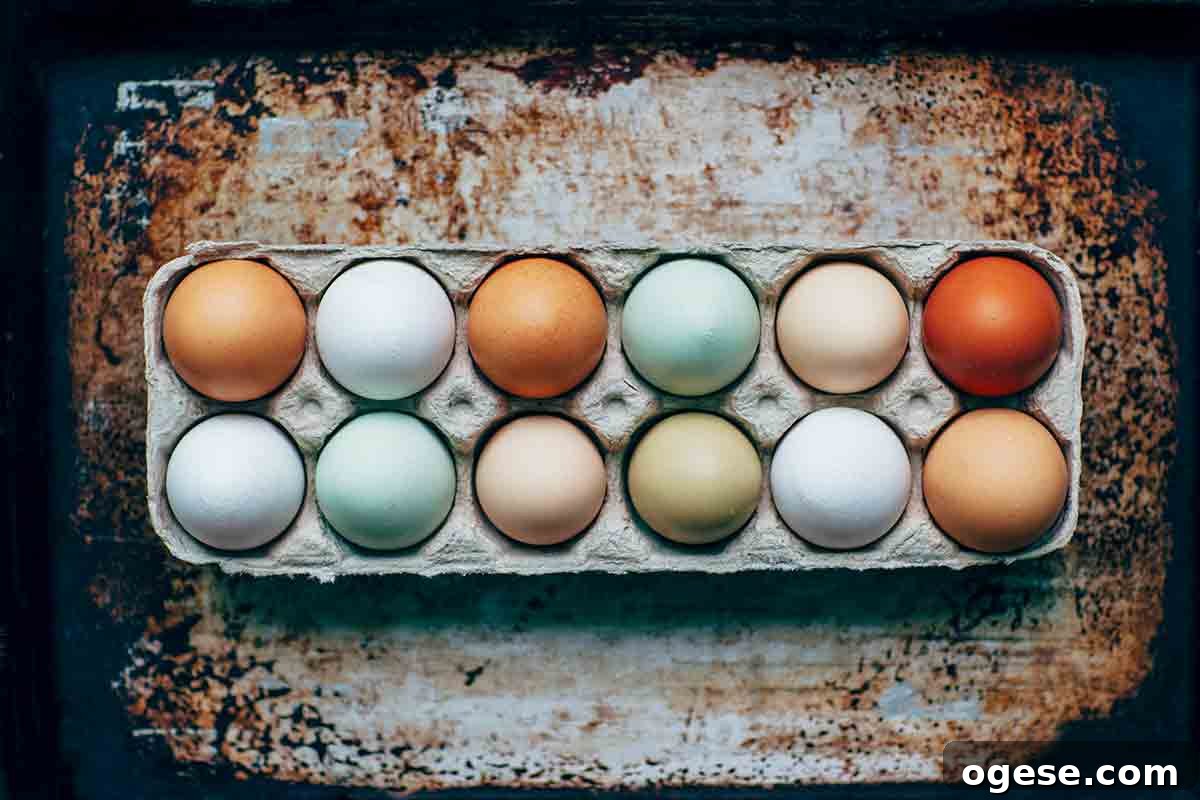
Shell color is determined by the chicken breed. White-feathered, white-earlobe hens typically lay white eggs; brown eggs come from red-feathered hens with red earlobes. Blue and green eggs are produced by specific breeds that deposit different pigments. Shell color does not affect nutritional value, although feed influences some egg components. Brown-egg breeds are often larger and need more feed, which can make brown eggs pricier.
What determines the color of yolks?
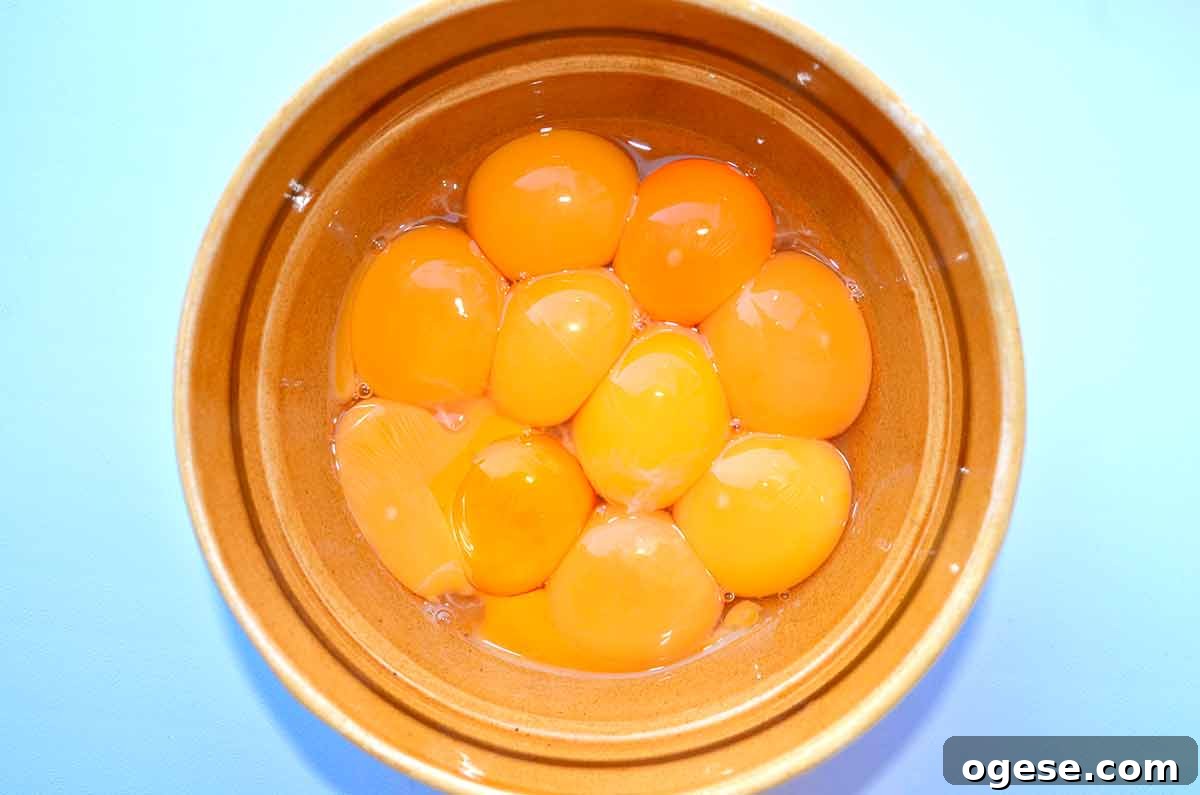
Yolk color is driven by a hen’s diet. Diets high in corn and certain pigments produce deeper yellow to orange yolks, while wheat-based feeds yield paler yolks. Yolk color is a visual trait and does not directly indicate superior nutritional quality.
What can I do with all my leftover Easter eggs?
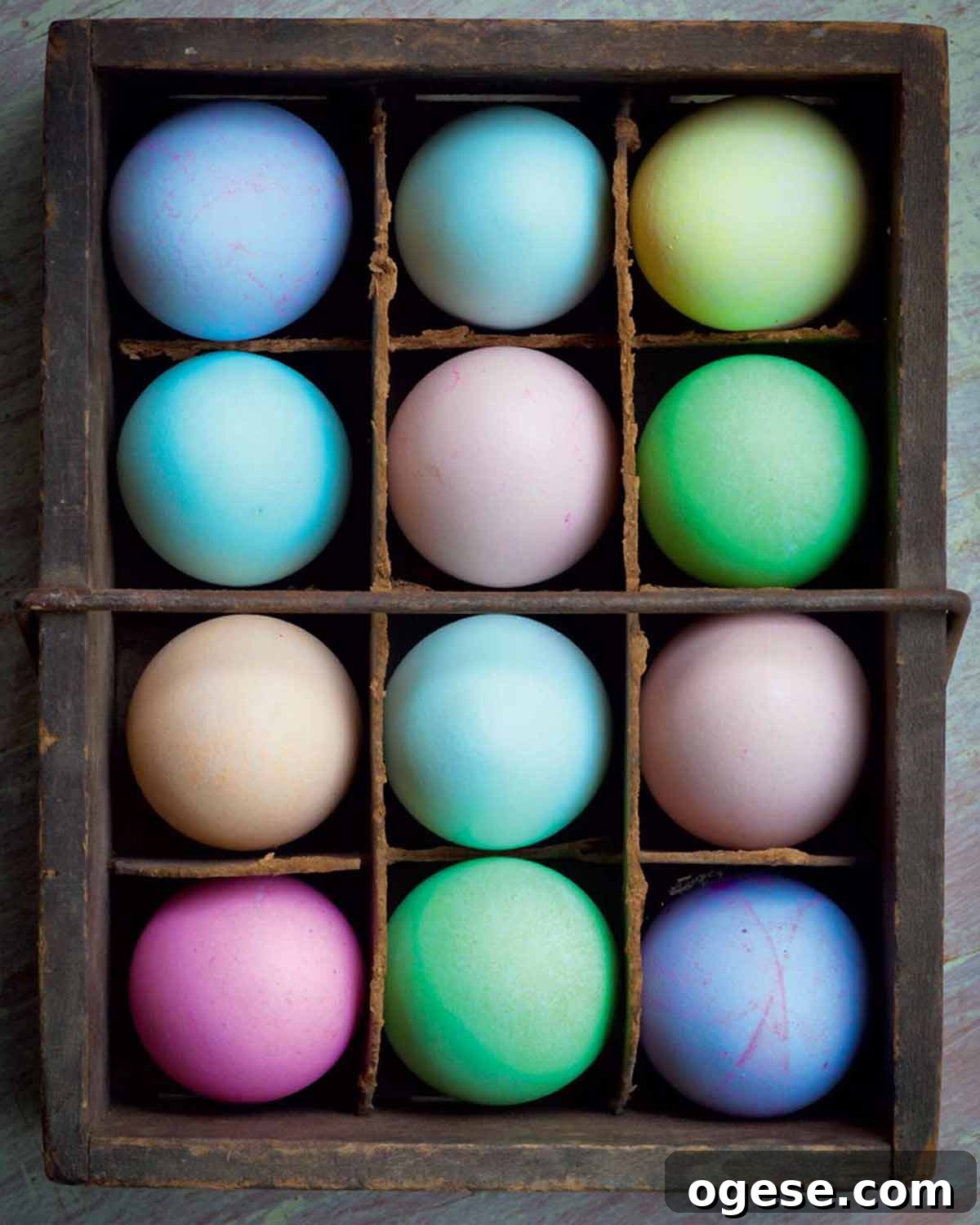
To make dyed or hidden eggs safe to eat, hard-boil them fully and use food-safe dyes. After dyeing, store unpeeled hard-boiled eggs in an airtight container in the refrigerator; they will keep about one week. The shell helps protect the egg from bacteria, so wait to peel until you’re ready to eat. The USDA recommends limiting the combined time eggs spend hidden and handled at room temperature to two hours. Discard any egg with a cracked shell or other signs of contamination.
Beyond sandwiches and potato salad, there are many ways to enjoy cooked eggs: pickled eggs, spiced or tea-steeped eggs, deviled eggs with bold flavors, or simply seasoned hard-boiled eggs. Use what you have on hand and get creative with herbs, spices and condiments.
For more safety help
Refer to official food-safety resources for comprehensive guidance on handling, storing and cooking eggs safely.