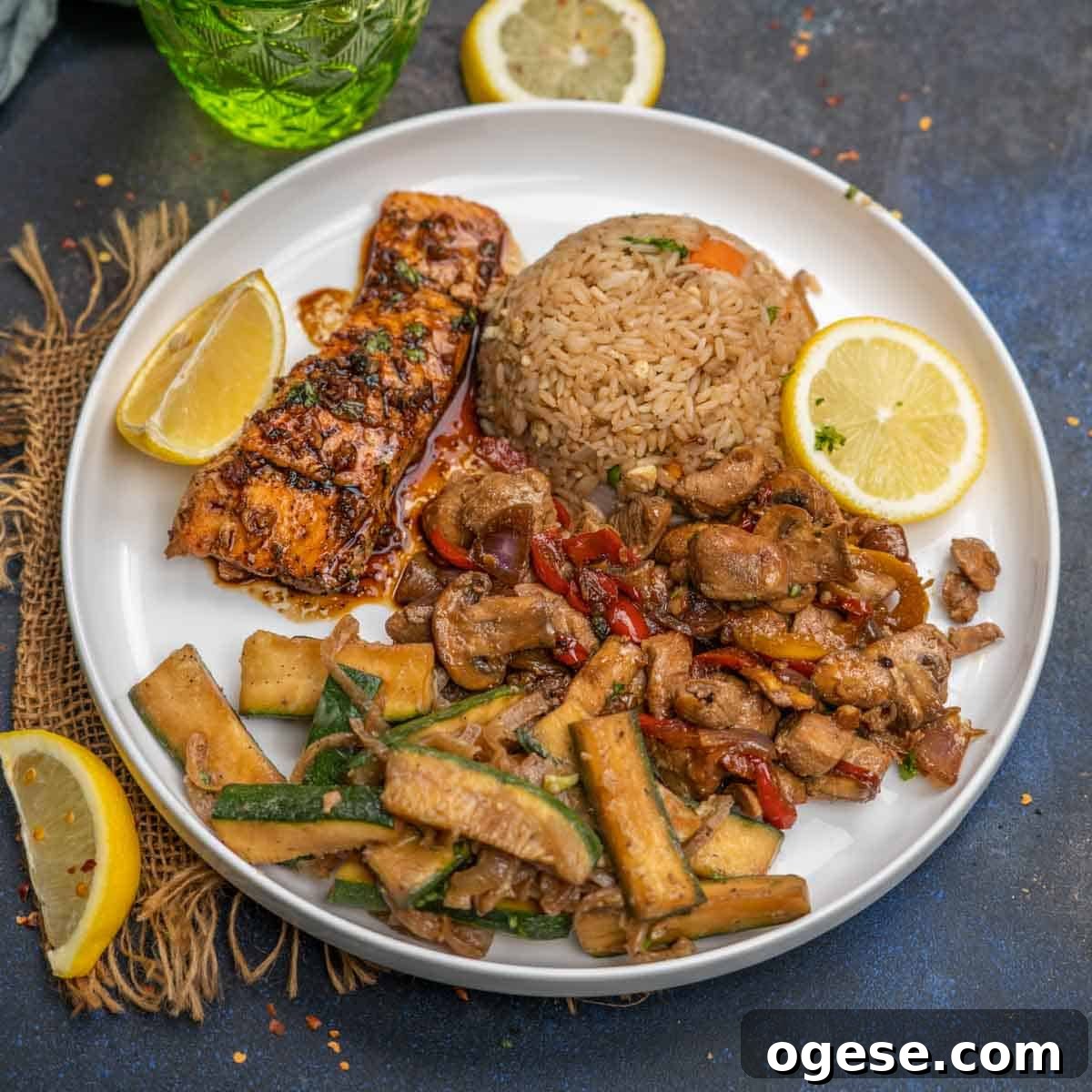
Here is everything you need to know about Hibachi cooking, a style made popular in Japanese steakhouse restaurants across the United States. You can recreate an authentic hibachi experience at home by trying some simple recipes and techniques that produce the same bold, grilled flavors.
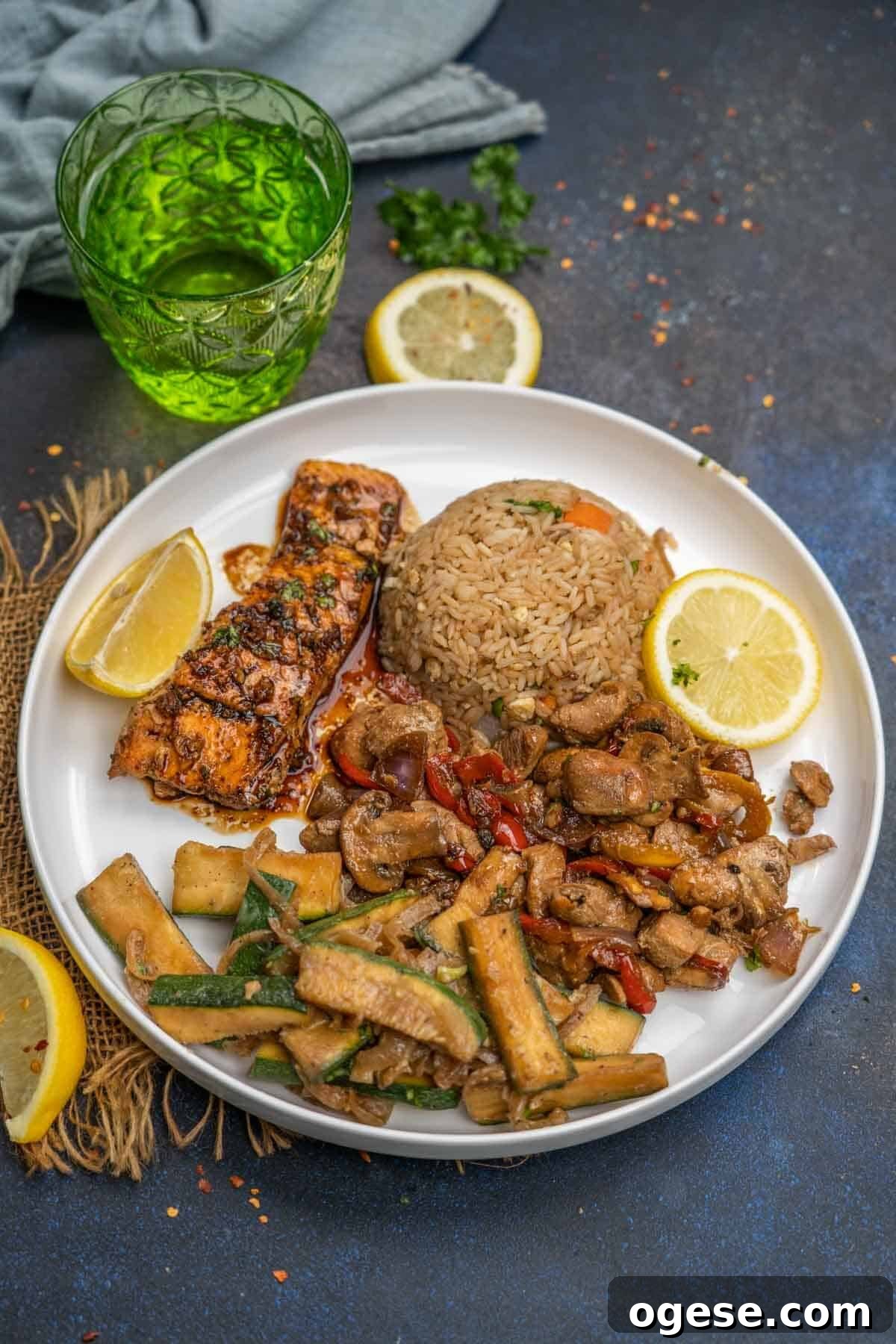
What Is Hibachi?
Hibachi refers to a Japanese style of cooking on a hot griddle. Traditionally the griddle is made from ceramic or cast iron, and the method is used to quickly sear meats, seafood, rice, and vegetables over high heat. In Western countries, especially the United States, hibachi-style dining often includes a theatrical element where chefs cook on a large griddle in front of guests.
What Can You Cook On Hibachi?
Hibachi is versatile: meats, fish, rice, and vegetables all work well. The most popular items are chicken, steak, and shrimp, but you can also prepare salmon, tofu, mixed vegetables, fried rice, and noodles using hibachi techniques.
Origins Of Hibachi
Hibachi-style cooking traces back to the Heian period (794–1185 AD). During that era, aristocrats often entertained guests by cooking over open flames and serving food directly from portable grills. Over time, the method evolved into the modern griddle-based styles enjoyed today.
Pro Tips For The Best Home Hibachi Experience
If you want a successful hibachi experience at home, a few key tips make a big difference. First, use a heavy, even-heating surface: a cast iron griddle is ideal, but a large skillet, wok, or grill pan will work. Preheat thoroughly so the surface is hot before adding ingredients.
Cut ingredients into uniform, bite-sized pieces so they cook quickly and evenly. Use a high smoke-point oil such as vegetable or peanut oil to prevent sticking and burning. Keep your mise en place ready—once the griddle is hot, cooking happens fast.
Cook on medium-high to high heat, searing proteins 2–3 minutes per side until browned and cooked through. For vegetables and rice, toss and stir frequently for even caramelization. With practice, hibachi cooking becomes a quick, exciting way to prepare flavorful meals.
Frequently Asked Questions
Hibachi describes a cooking method—grilling or searing on a hot griddle—while teriyaki refers to a flavoring method using a sweet, savory sauce or marinade (typically soy sauce, a sweetener, and rice wine). Hibachi is about the cooking surface and technique; teriyaki is about the sauce used to flavor the food.
Hibachi and teppanyaki are similar, as both use hot flat surfaces to cook. Traditional hibachi grills were often ceramic or cast iron and may be ridged, while teppanyaki typically uses a large, flat stainless steel griddle. In practice, hibachi-style tends to combine ingredients on the griddle, while teppanyaki often emphasizes cooking ingredients separately and presenting them in sequence. Both are commonly experienced in restaurants where chefs prepare food in front of diners.
Must-Try Hibachi Recipes At Home
Yum Yum Sauce
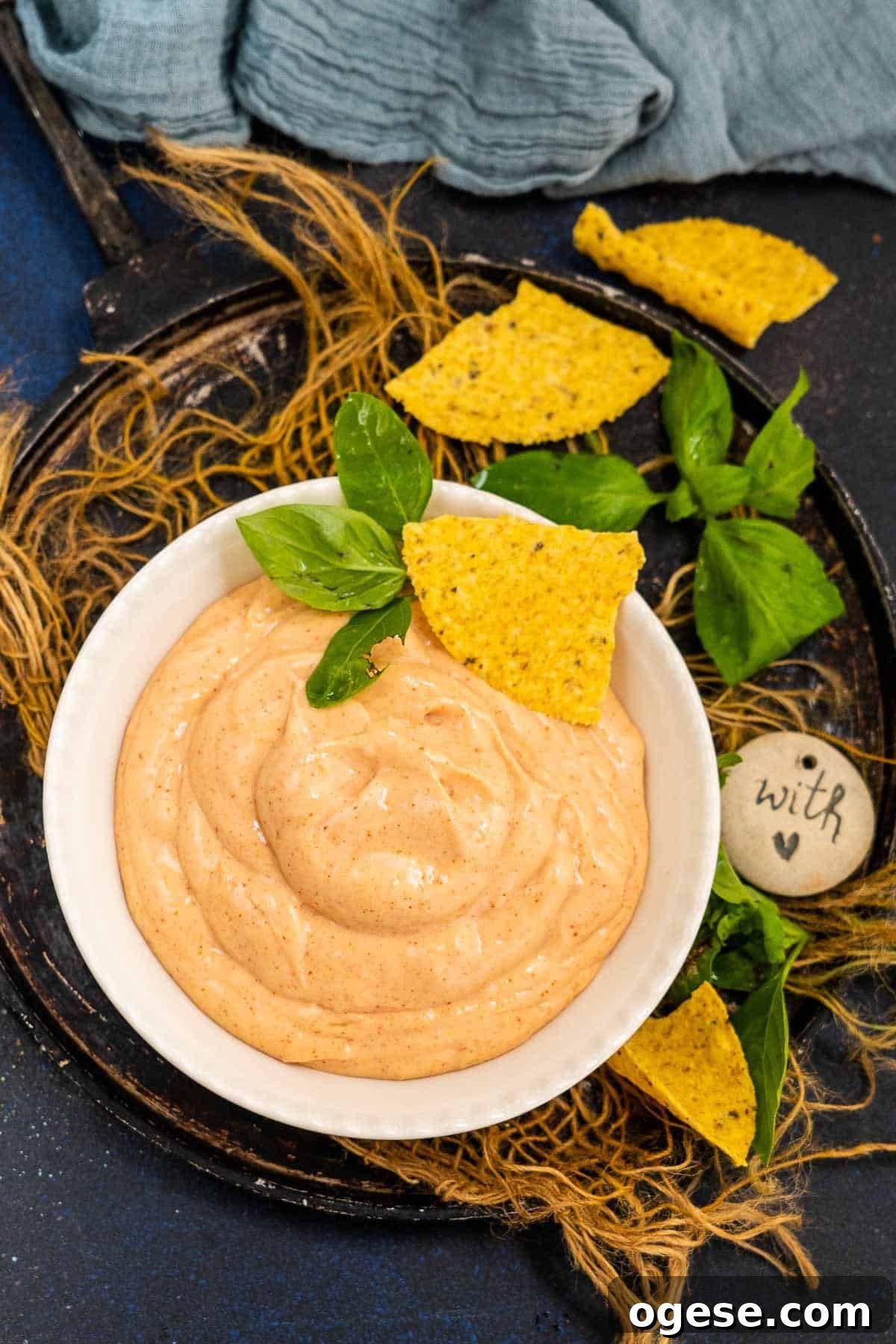
Yum Yum sauce is a creamy, slightly sweet condiment commonly served with hibachi dishes. Made from mayonnaise, ketchup, and a touch of sugar, it works well as a dipping sauce for grilled meats, seafood, and vegetables.
Hibachi Mustard Sauce
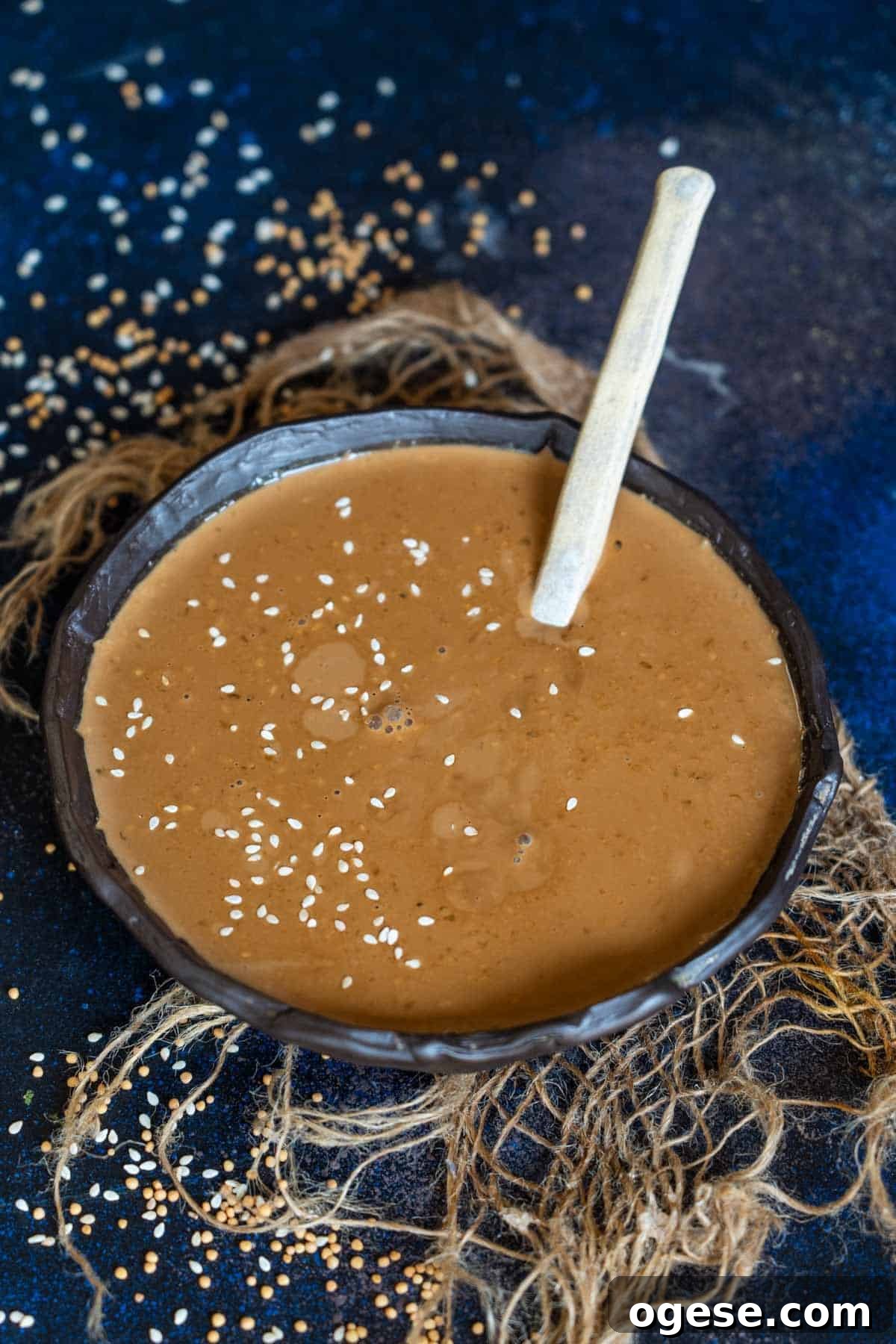
Hibachi mustard sauce combines yellow mustard, vinegar, and sugar for a tangy, slightly sweet dip. It cuts through rich grilled flavors and adds a pleasant spicy note that pairs nicely with meats and vegetables.
Hibachi Vegetables
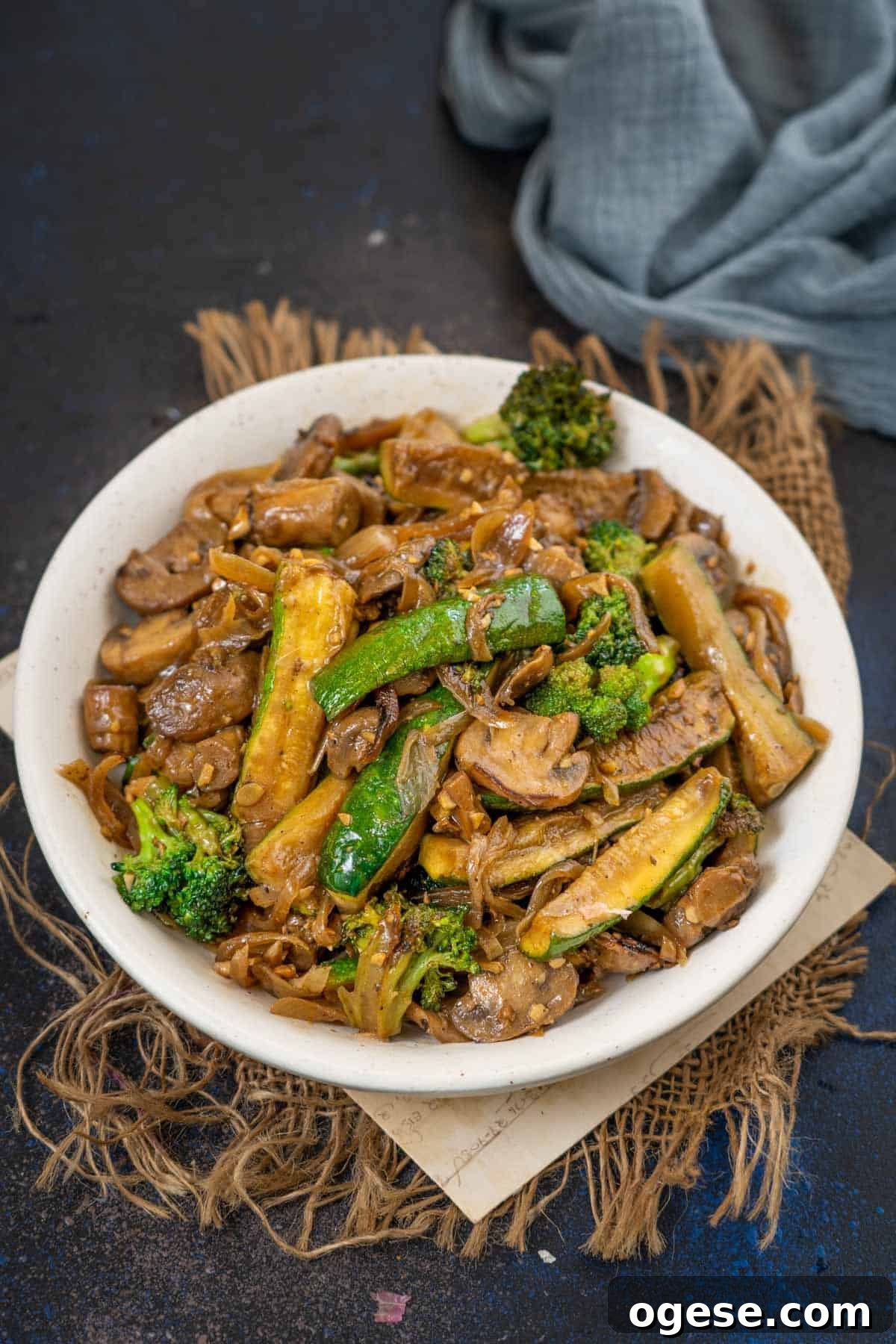
Hibachi vegetables are a simple, flavorful side—typically a mix of mushrooms, onions, and bell peppers stir-fried or grilled on a hot surface. Season with salt, pepper, and soy sauce for a savory finish that complements grilled proteins.
Hibachi Chicken
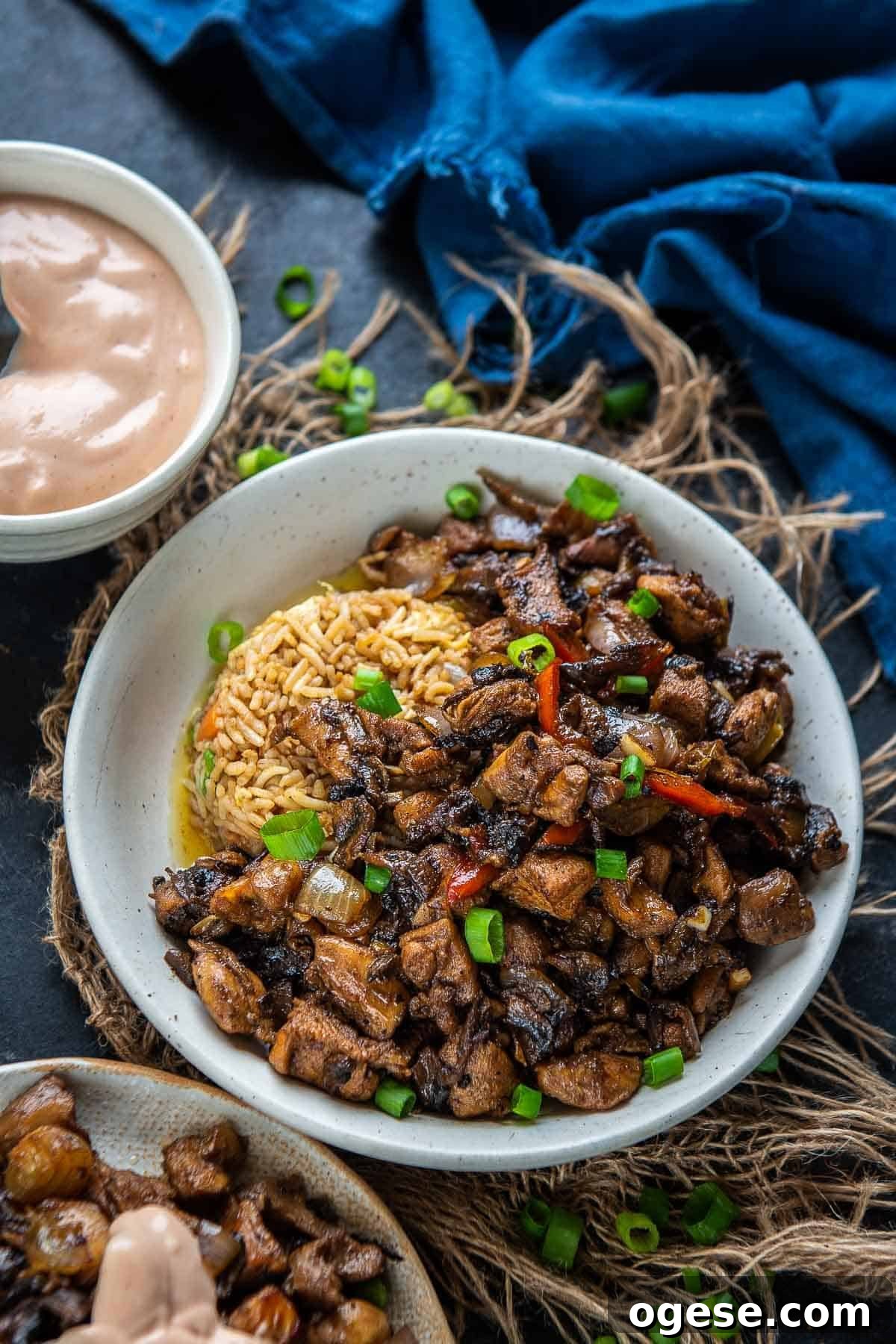
Hibachi chicken is often marinated in soy sauce, honey, and rice wine vinegar, then seared on a hot griddle. The result is a sweet-and-savory flavor with a lightly caramelized exterior. Serve with steamed rice and hibachi vegetables for a complete meal.
Hibachi Fried Rice
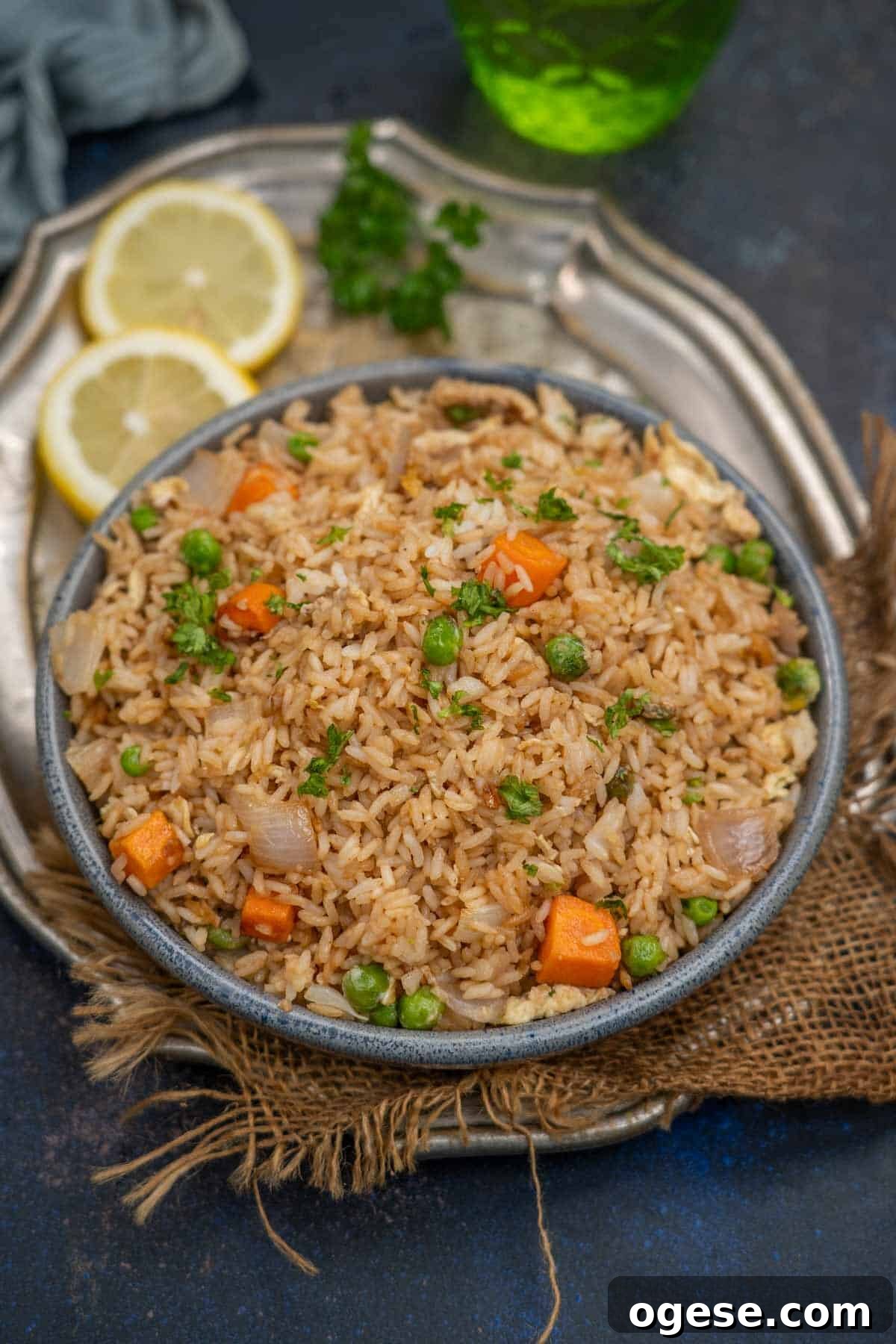
Hibachi fried rice is a quick stir-fry of cooked rice with vegetables, eggs, and choice of protein. Flavor it with soy sauce, sesame oil, and garlic. It’s an excellent way to use leftover ingredients and can be ready in under 30 minutes.
Hibachi Noodles
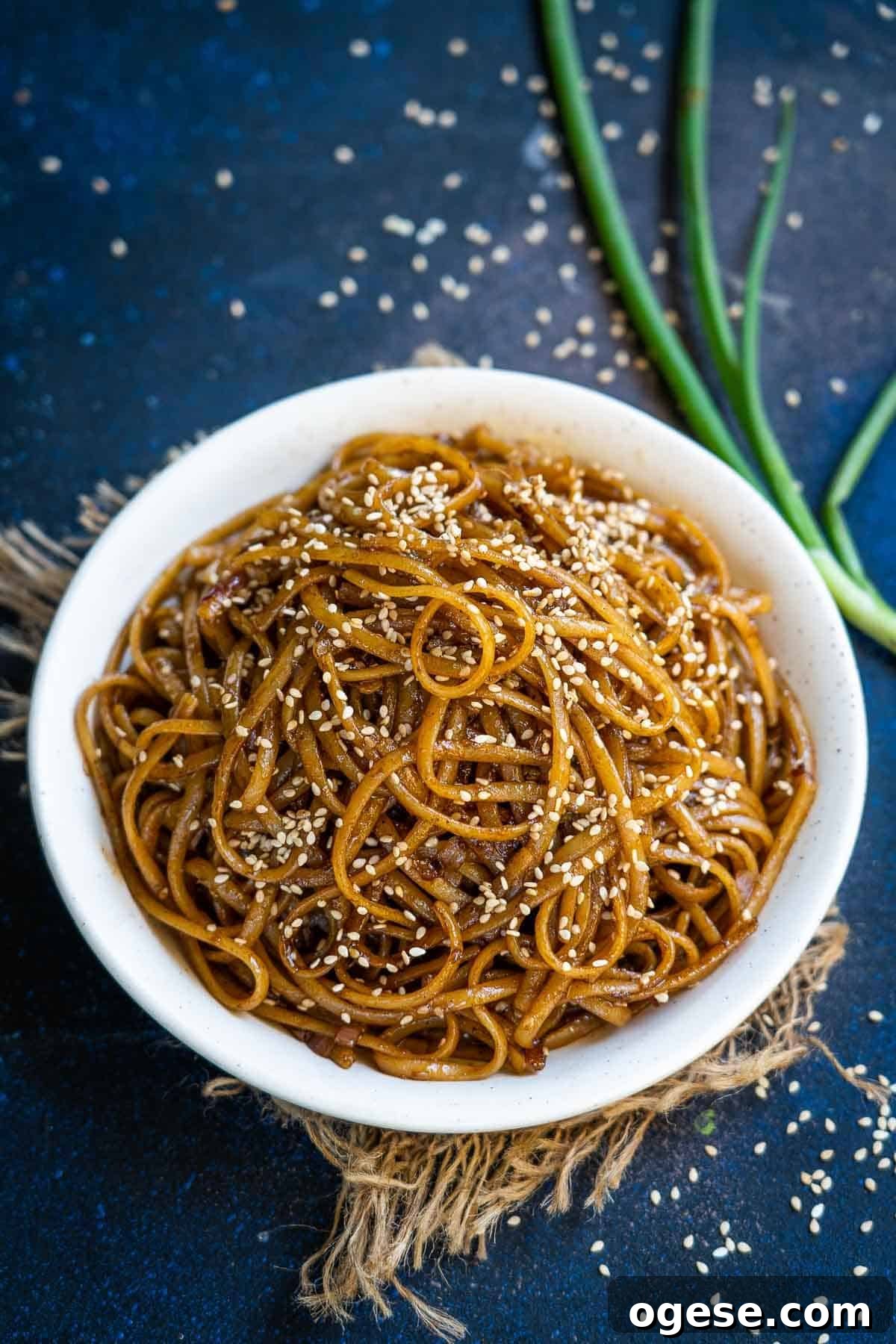
Hibachi-style noodles are stir-fried wheat noodles combined with vegetables, proteins, and sauces like soy and sesame oil. They’re a fast, satisfying option for using leftovers and make a flavorful accompaniment to grilled dishes.
Hibachi Ginger Salad Dressing
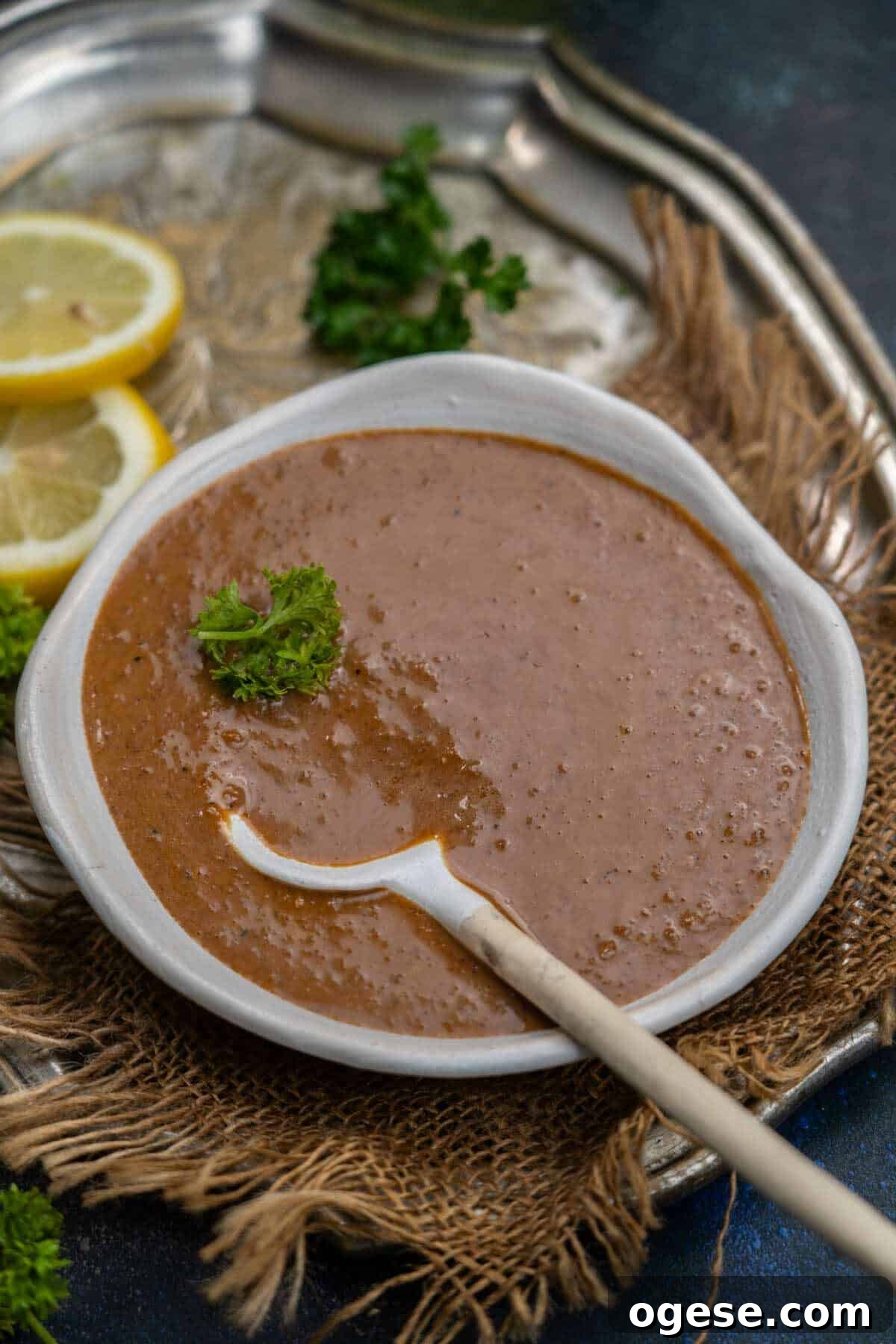
Hibachi ginger dressing is a sweet-tangy, vegan-friendly dressing often served with salads at Japanese steakhouses. It’s simple to make at home with fresh ingredients and avoids the preservatives found in many store-bought versions.
Hibachi Salmon
Hibachi salmon is pan-seared and finished with a sauce of soy, cooking wine, garlic, lemon, and ginger. Quick to prepare, it’s ideal for weeknight dinners and pairs well with rice, hibachi vegetables, and a side of yum yum sauce.
Serving Suggestions
To serve a hibachi-style meal at home, place rice or noodles at the center of a large plate, arrange grilled proteins and vegetables around them, and offer sauces in small bowls for dipping. Drizzle or mix sauces to taste and enjoy the bold, layered flavors.
I hope this guide helps you create an enjoyable home hibachi experience. If you think something important is missing, feel free to adapt these ideas to suit your taste and cooking setup.