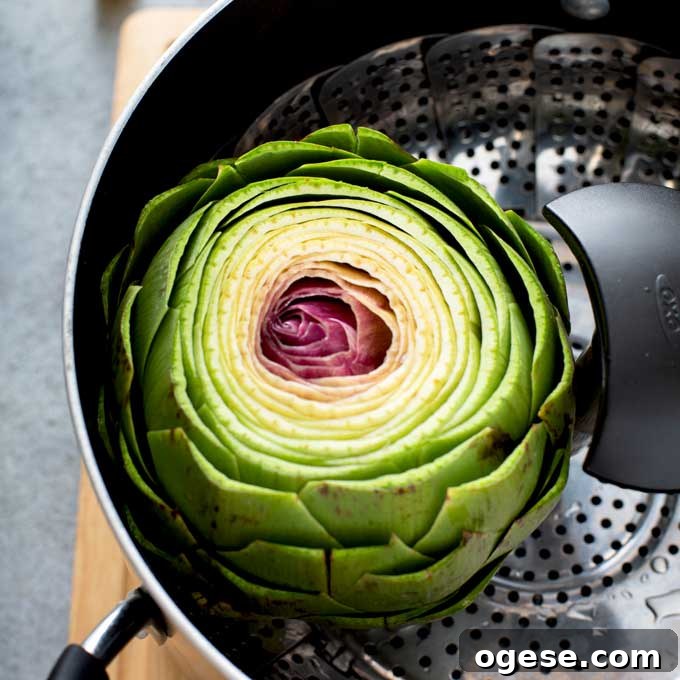
Learn how to cook artichokes in a few simple steps. This guide covers how to buy and prepare fresh artichokes, plus two reliable stovetop methods—steaming and boiling—to get tender, flavorful artichokes every time.
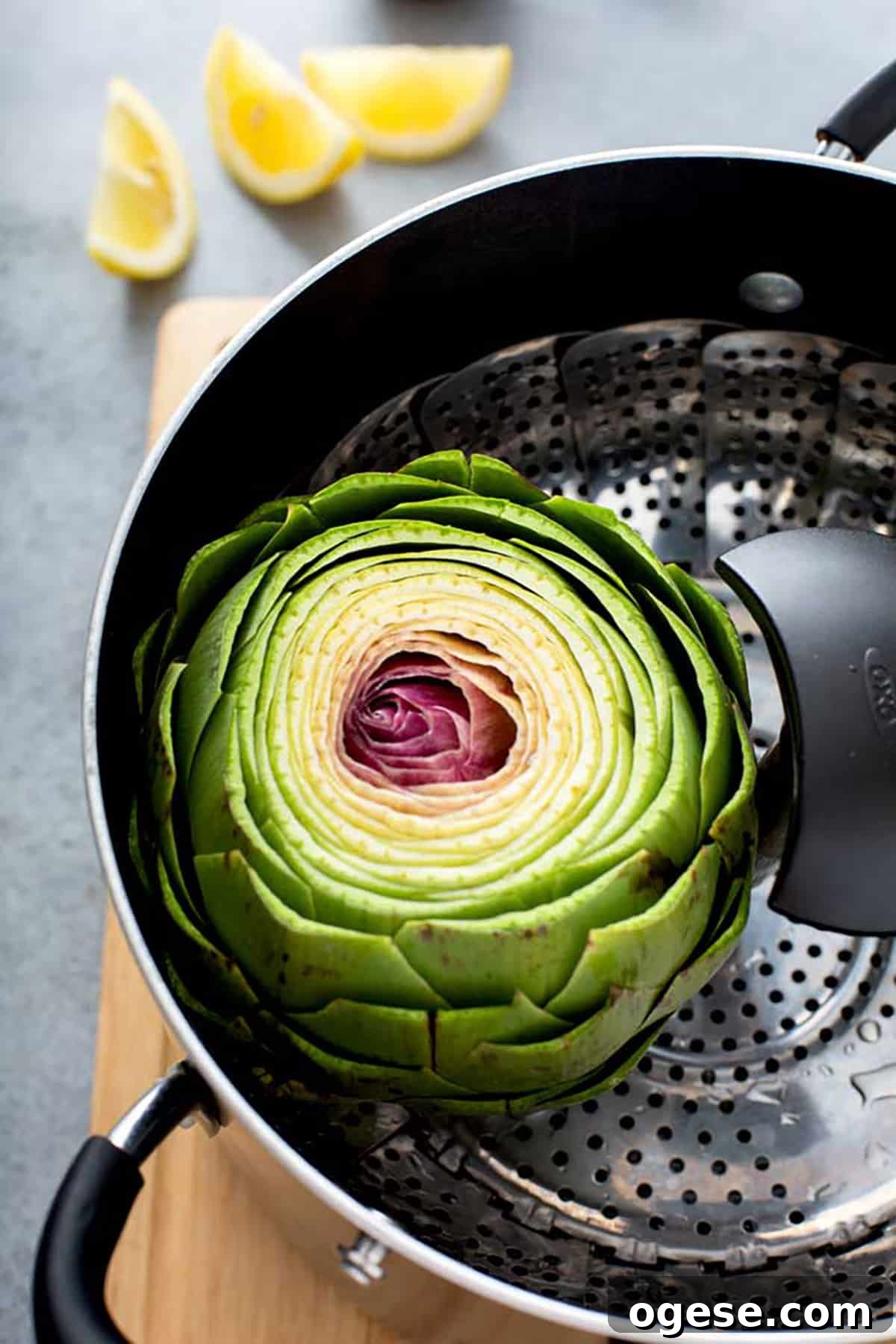
✔️ Step-by-step guide for buying, preparing and cooking artichokes the easiest way
Artichokes can look intimidating with their layered, armored leaves and fuzzy choke, but they are delicious, nutritious and easier to prepare than they appear. The tender heart and the base of each leaf have a creamy, slightly nutty flavor that makes the effort worthwhile. Below you’ll find tips for choosing artichokes, a simple prep routine, and two cooking methods that work reliably.
What Are Artichokes
The globe artichoke is the edible bud of a thistle. If left to mature it opens into a purple-pink flower. Native to Mediterranean climates, artichokes are widely grown in regions like California. While available year-round, peak seasons are spring (March–June) and early fall (September–October). They are low in fat and rich in fiber, vitamins and minerals, with a creamy, almost buttery texture when cooked.

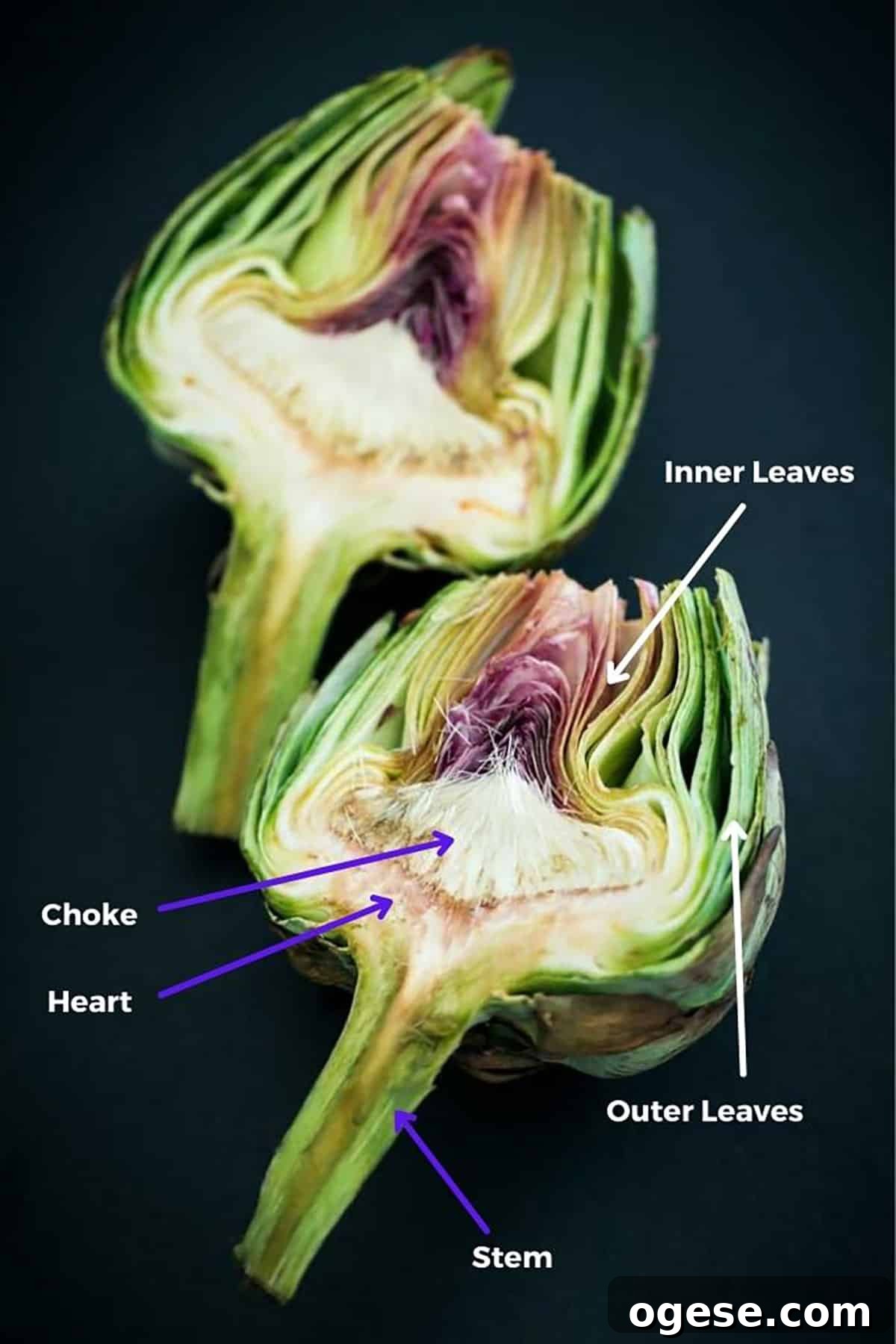
✔️ Parts of the artichoke
A globe artichoke has four main parts, some edible and some not:
- The Stem: Tender stems on smaller artichokes are edible and meaty; larger stems can be fibrous. Peel thicker stems for a better texture.
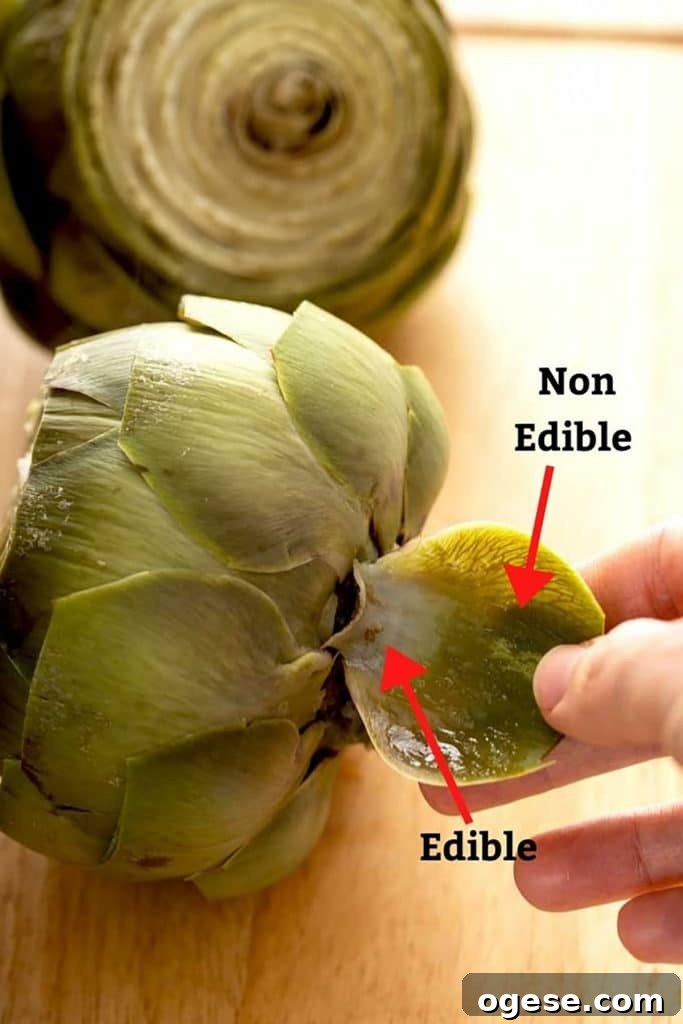
- Outer and Inner Bracts: These are the leaves or petals. The base of each leaf holds the edible flesh. Outer leaves are thicker and darker green; inner leaves are lighter and sometimes purple-tipped.
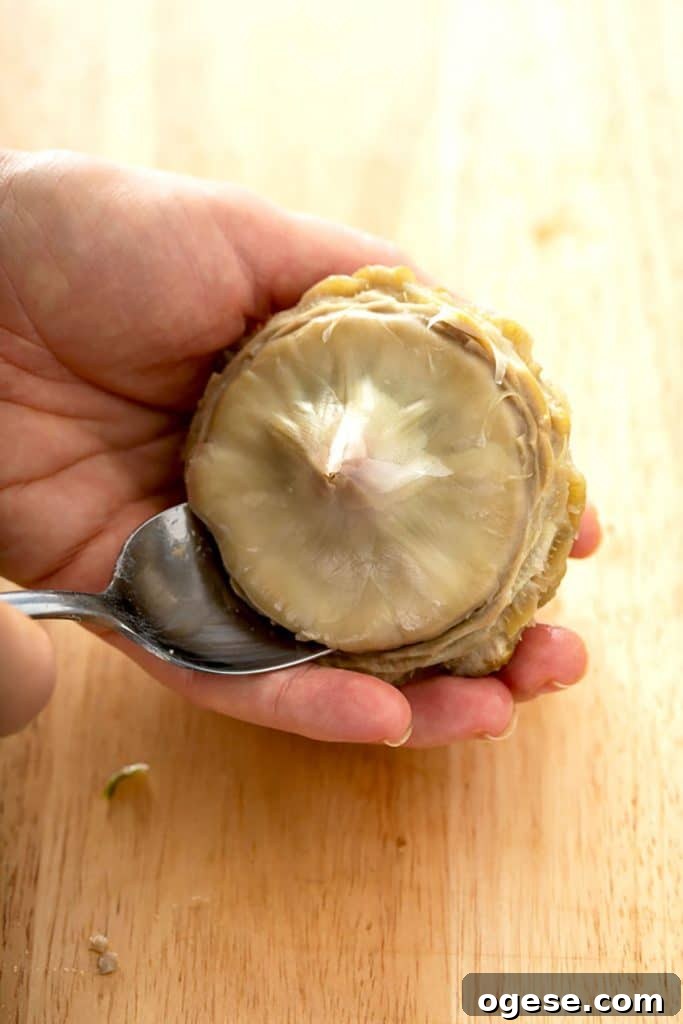
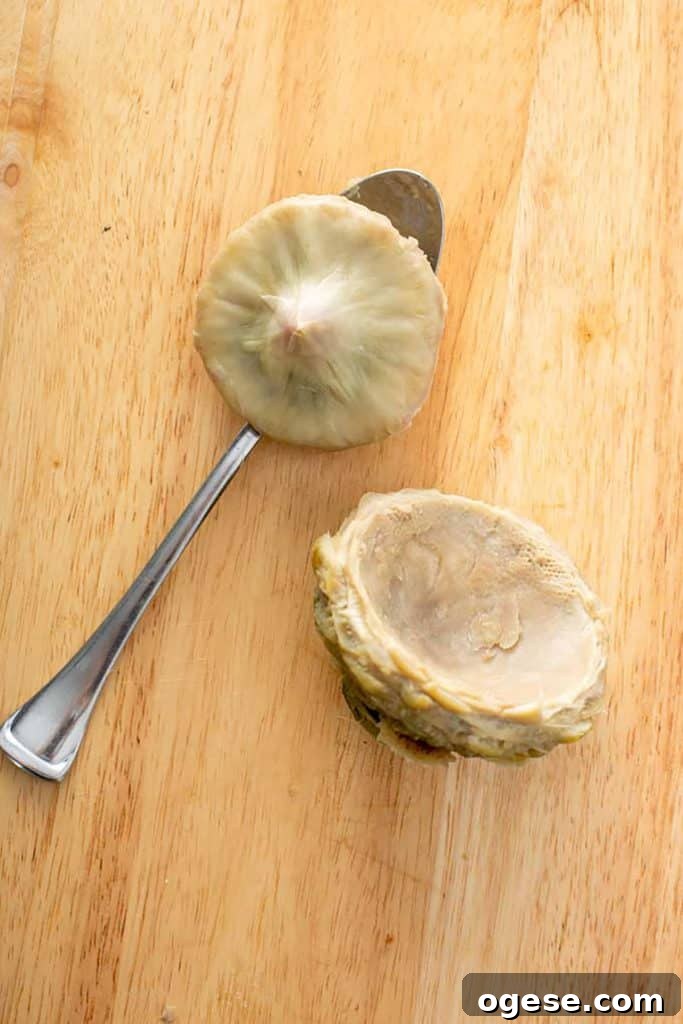
- The Choke: A fuzzy inedible cluster that sits above the heart and must be removed before eating the heart.
- The Heart: The most prized, fully edible part. Artichoke hearts are often sold jarred or frozen.
🔎 How to pick artichokes?
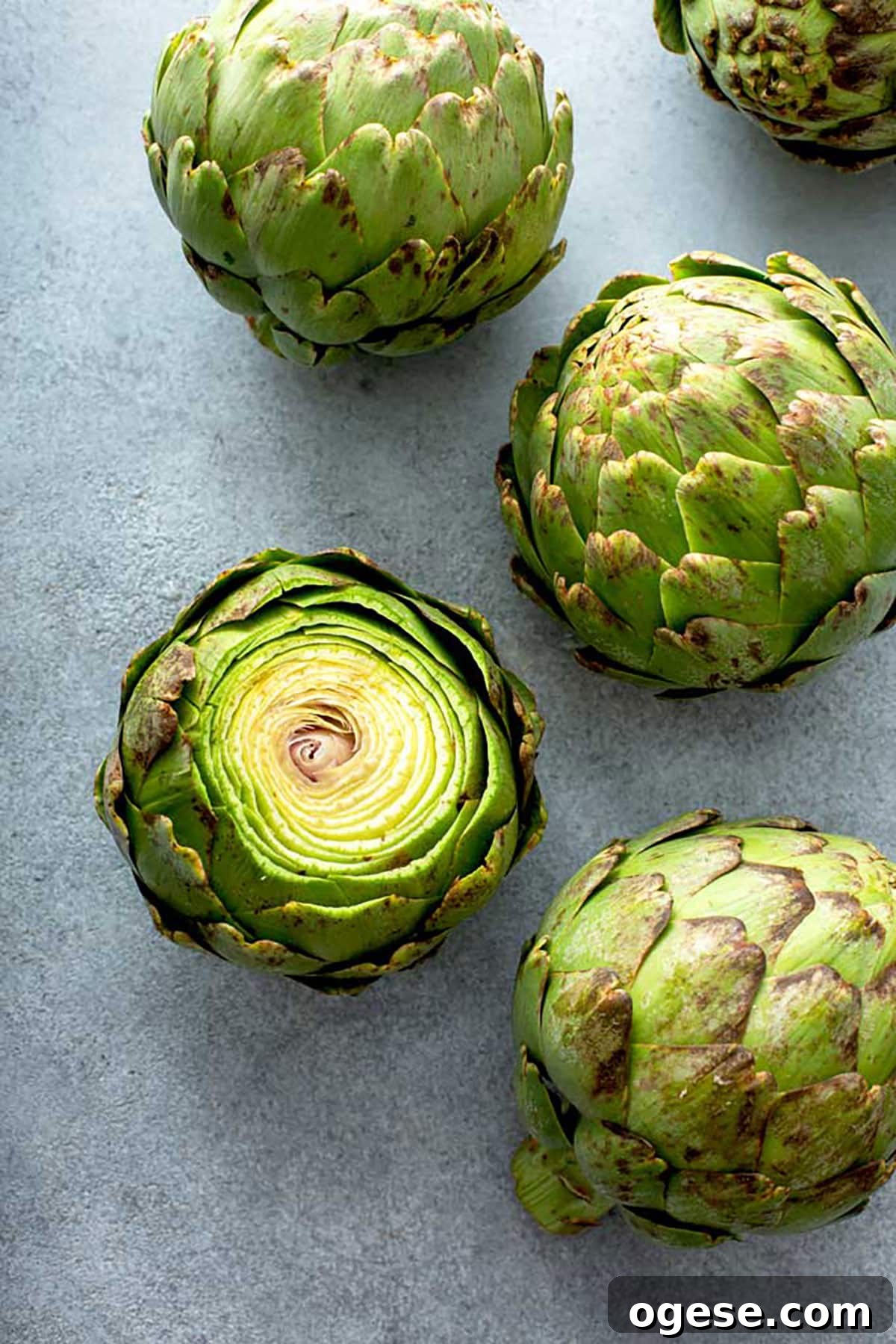
Choose artichokes that are firm, heavy for their size and have tightly closed leaves. Look for a fresh silvery-green color; some purple tones are fine. Avoid heads with extensive browning or dried-out leaves.
🔎 How to prepare artichokes?
- Trim the stem: leave about 1 inch for presentation or cut flush with the base if preferred.
- Remove any tough outer leaves and slice off the top quarter of the bulb.
- Use kitchen shears to trim the sharp tips of the leaves.
- Rinse under cold running water, gently opening the leaves so water can reach the base.
- If you won’t cook immediately, submerge trimmed artichokes in cold water with lemon juice to prevent browning.
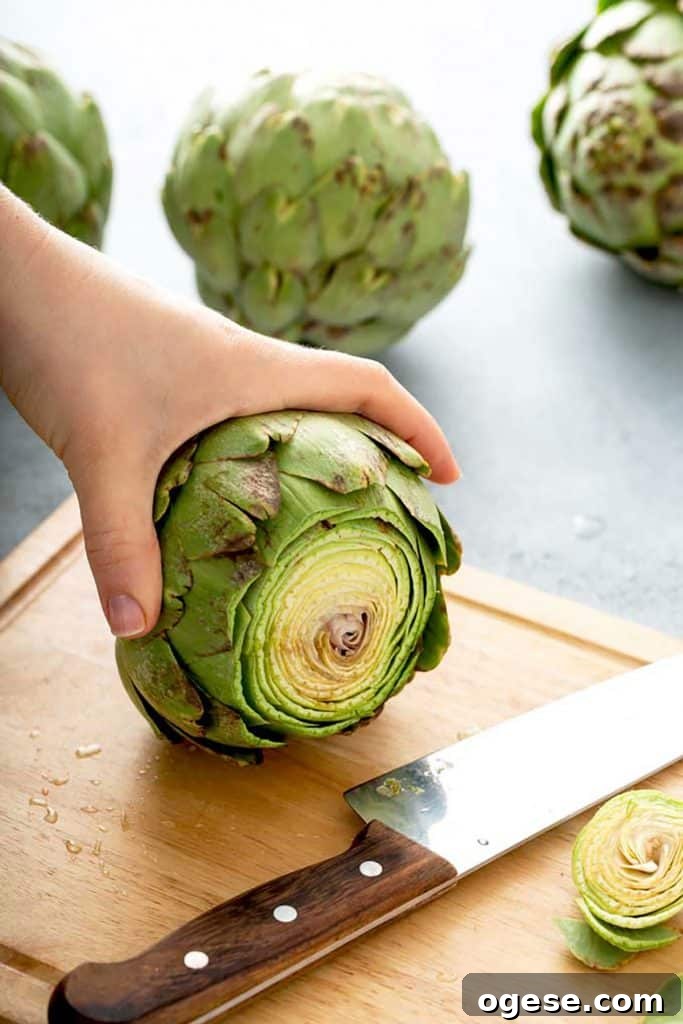
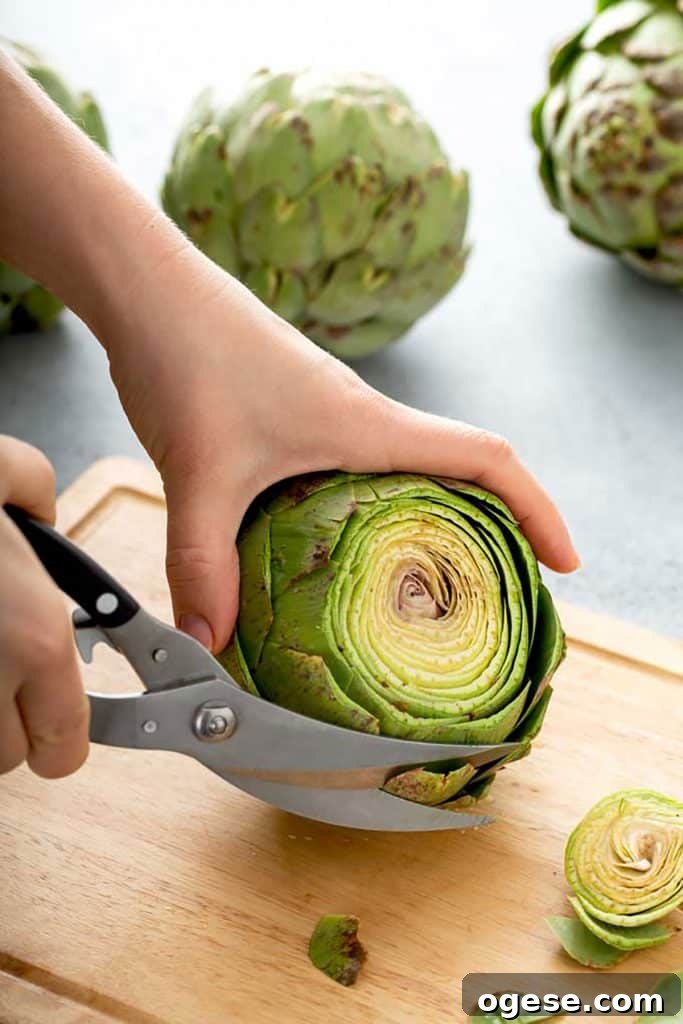
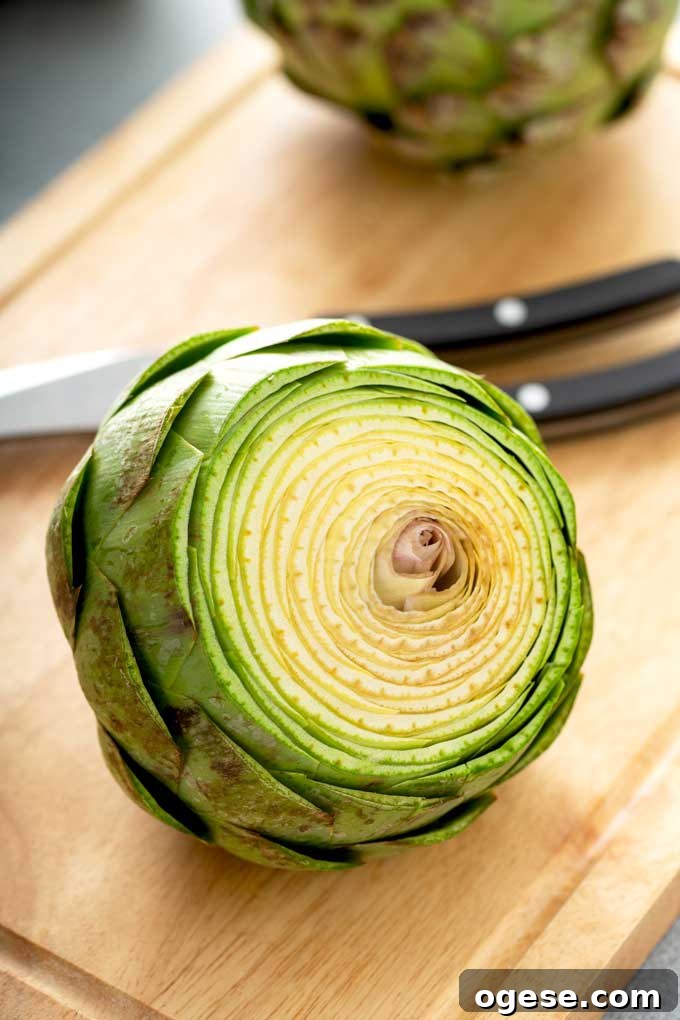
🔎 How to steam artichokes
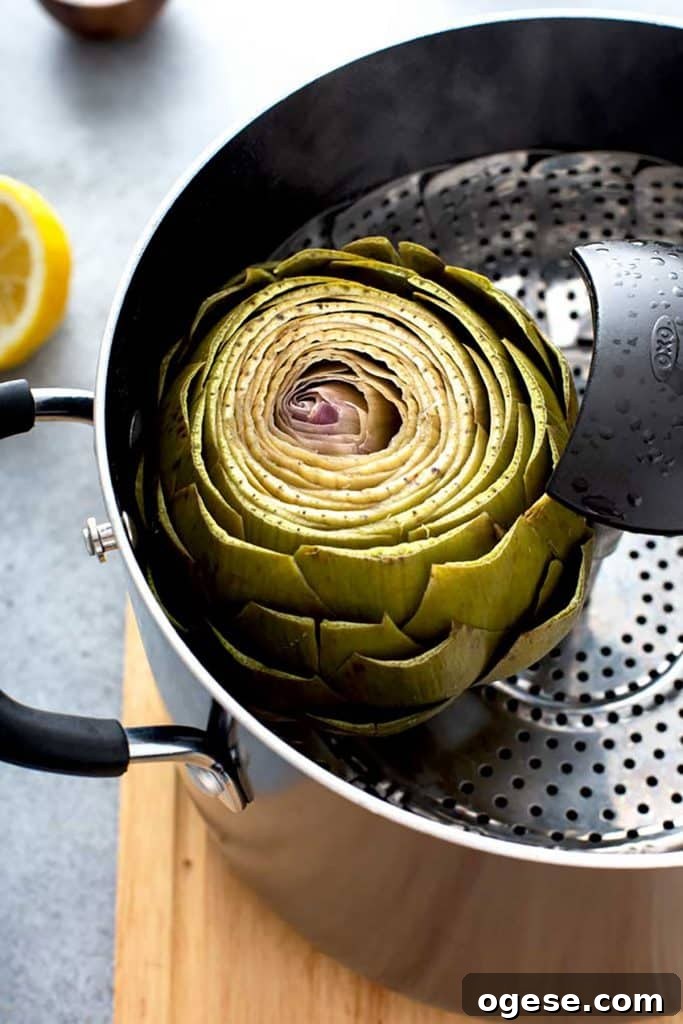
Steaming preserves flavor and texture. You’ll need a pot with a lid and a steamer basket (or a metal colander). Steamed artichokes are excellent with melted butter, aioli or your favorite dip.
- Pour about 2 inches of water into a pot so it sits below the steamer basket. Add salt and lemon slices; fresh herbs or garlic are optional.
- Bring the water to a boil with the steamer in place.
- Place the trimmed artichokes in the steamer using tongs, cover, and reduce heat to medium.
- Steam until the leaves pull off easily—typically 25–35 minutes for medium heads; small heads take 20–25 minutes, very large heads up to 45 minutes.
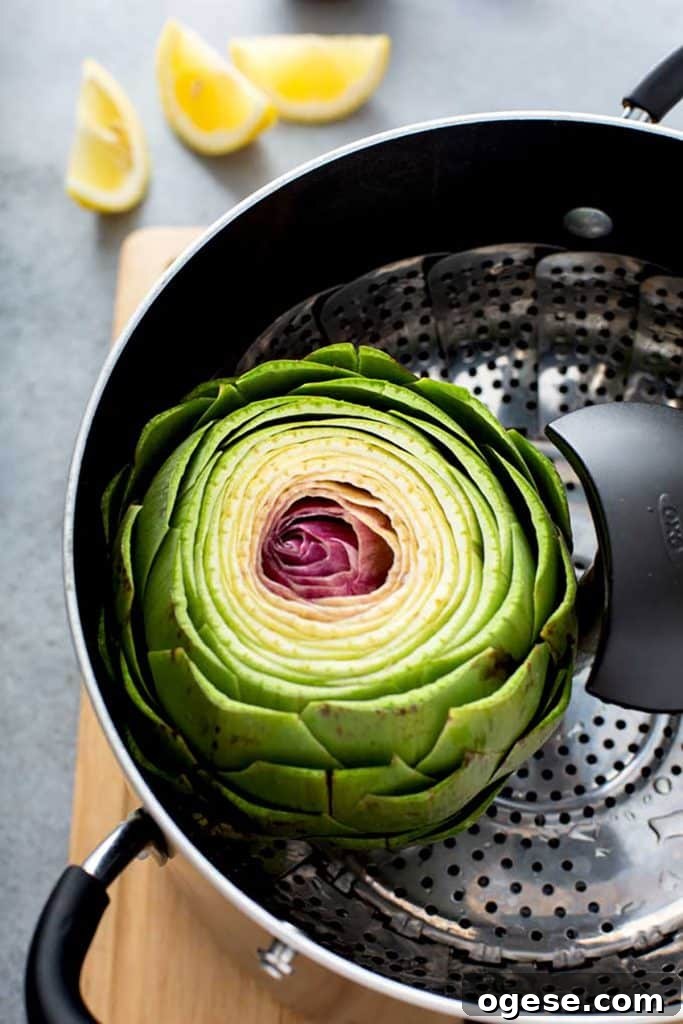
🔎 How to boil artichokes?
Boiling is straightforward and lets you infuse flavor into the cooking water with lemon, garlic or herbs.
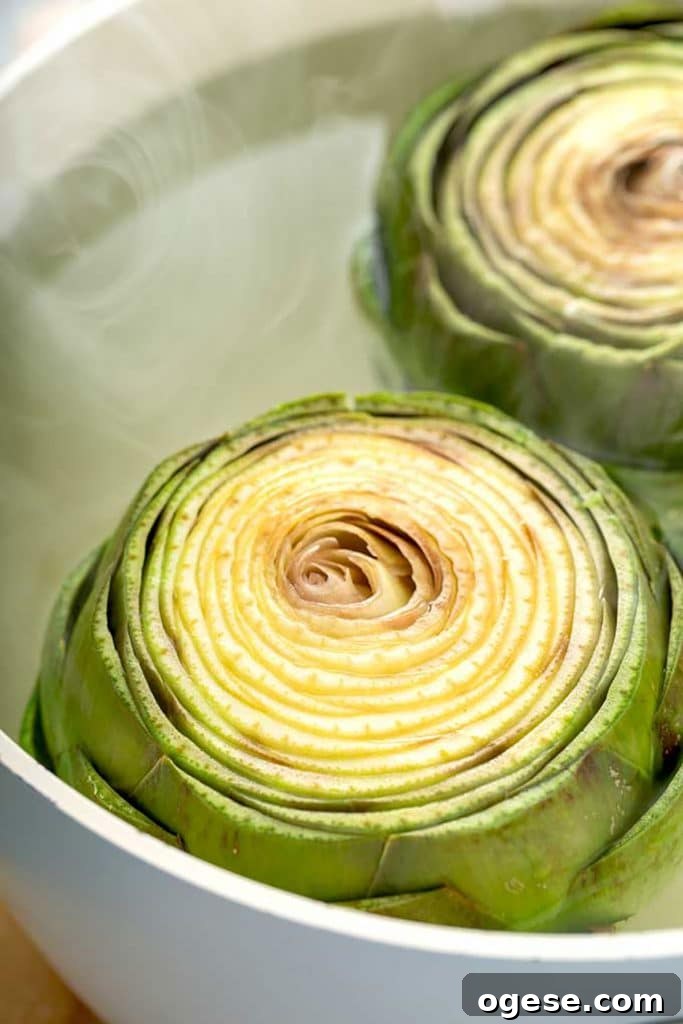
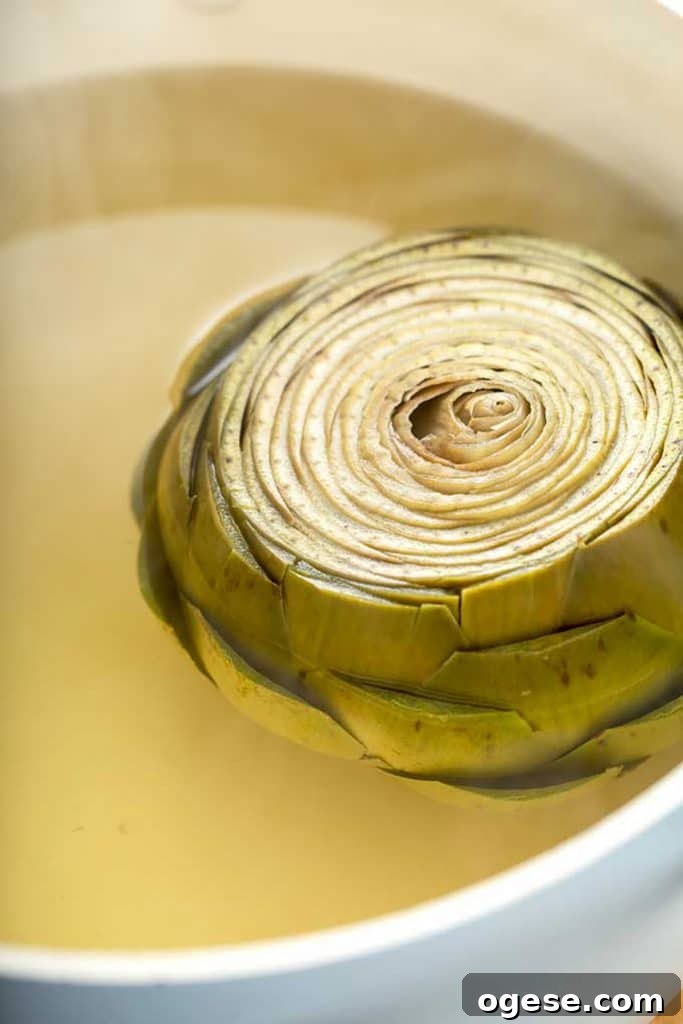
- Bring a large pot of salted water to a boil—enough to cover the artichokes.
- Add the prepared artichokes, return to a boil, then lower the heat to a gentle boil, cover and cook until tender. Time ranges from about 20 minutes for small heads to 30–35 minutes for medium or larger ones.
- Drain and cool slightly before serving.
What Is The Best Way To Eat An Artichoke
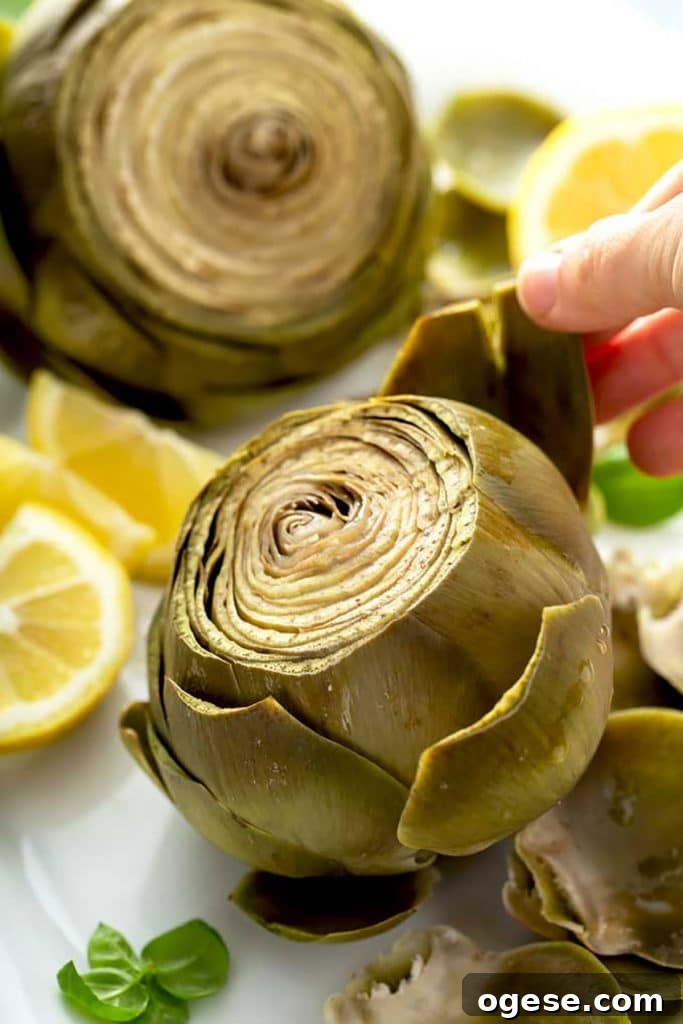
Eating an artichoke is part ritual, part reward:
- Pull off a leaf, dip if desired, and bite the soft, pale base to scrape the edible flesh with your teeth.
- Work through the leaves until you reach the inner tender leaves and then the choke.
- Use a spoon or knife to remove the fuzzy choke and reveal the heart.
- Cut the heart into pieces and enjoy—the heart is entirely edible and the most flavorful part.
✔️ Notes on trimming and prep
Many traditional prep steps—like meticulously trimming every tip and soaking for long periods—are optional. If you prefer a quicker approach, you can simply rinse and boil the whole artichoke; trimming mainly improves presentation. The spiky tips soften during cooking, and minor surface discoloration won’t affect flavor.
✔️ What to serve with artichokes?
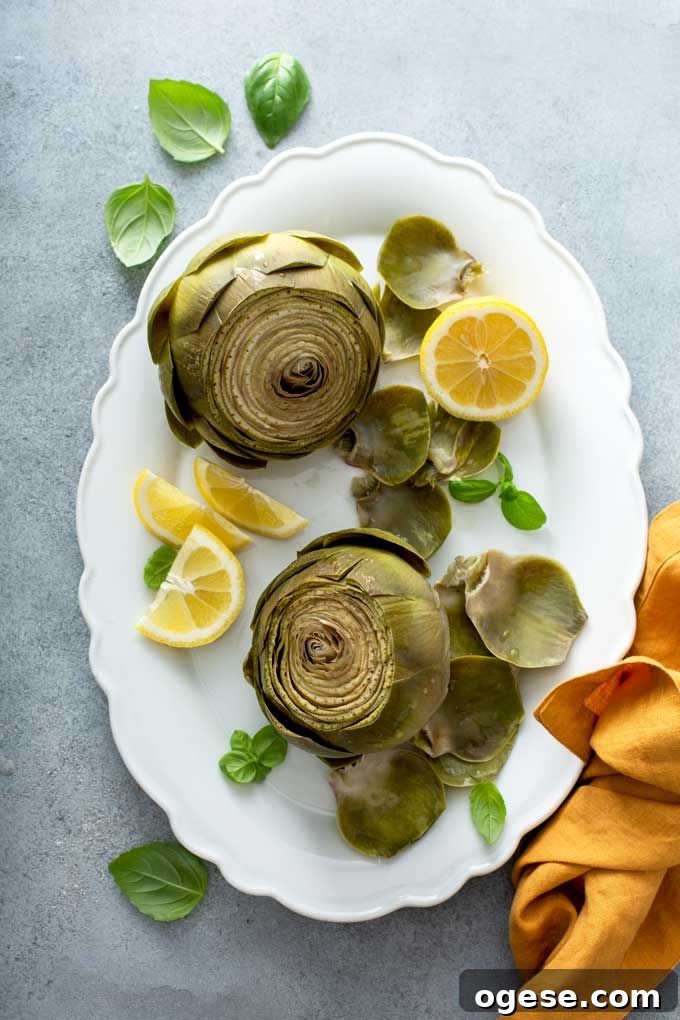
Artichokes pair beautifully with a squeeze of lemon, melted butter, aioli or a creamy lemon-herb dipping sauce. They also complement grilled or roasted meats, seafood and fresh salads.
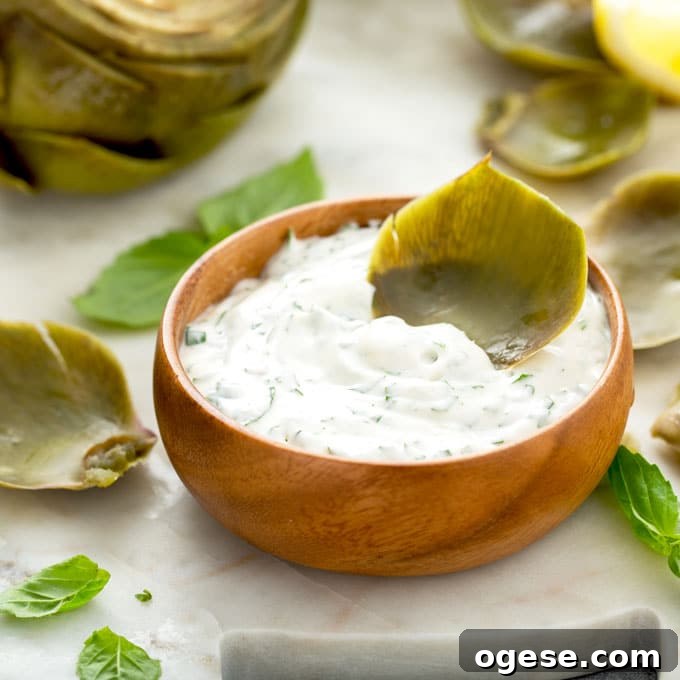
The Best Artichoke Dipping Sauce
For a simple, bright dipping sauce try a lemon-and-herb mayonnaise or aioli. A rich, creamy dip made with lemon, garlic and fresh herbs complements steamed or boiled artichokes perfectly.
🔎 What part of the artichoke is poisonous?
None of the artichoke is poisonous. The fuzzy choke is inedible and should be discarded before eating the heart, but it is not toxic.
🔎 Are artichokes good for you?
Yes. Artichokes are low in fat and high in fiber, vitamins and minerals, particularly vitamin C, vitamin K and folate, as well as potassium and iron. They may support digestion and have other potential health benefits due to their fiber and antioxidant content.
Beyond boiling and steaming, artichokes can be grilled, roasted, braised or stuffed for more elaborate preparations.
Helpful related guides: blanching green beans, cooking asparagus, rice, lentils and beets can expand your kitchen skills and pair well with artichoke dishes.
Quick recipe summary (makes 2 servings):
- Prep: 10 minutes
- Cook: 25 minutes (varies by size)
- Total: ~35 minutes
- Ingredients: 2 medium artichokes, water, salt, lemon slices
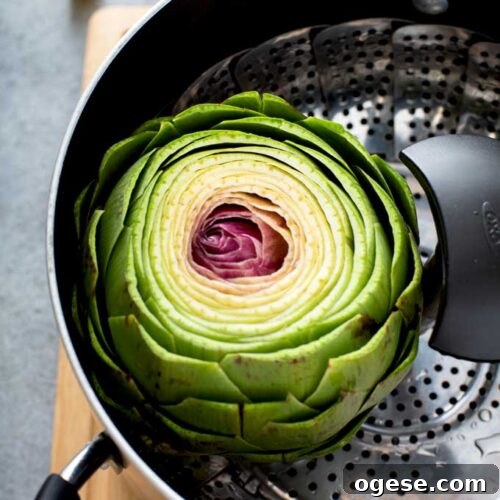
Instructions (brief): Trim and rinse artichokes. To boil: simmer in salted water with lemon until leaves pull off easily (20–35 minutes). To steam: steam over simmering water with lemon until tender (25–35 minutes). Remove the choke and enjoy the heart and leaf bases with your favorite dip.