
I love using word art as home decor — it’s one of my favorite crafting hobbies alongside air dry clay.
I don’t like being limited to the mass-produced decorative word signs you can buy, so I developed a simple, inexpensive method for making customizable cursive wire-letter signs. They’re easy to adapt for different rooms, seasons, and special occasions.
One of my favorite uses for wire word art is holiday decor. These handmade wire words look charming on a Christmas tree, make a wreath instantly more special, and can even be finished with fairy lights for a twinkling effect.
I’ll show you how to form words from wire and share several finishing ideas. The example I demonstrate is a “Welcome” sign—perfect for a Christmas or holiday wreath.
Like it? Pin it!

How to Make DIY Wire Word Signs
The basic process is to print the word or phrase, use the printout as a guide to shape armature wire, then wrap the wire with the finish material of your choice.
This technique is very versatile. I’ve made versions wrapped in jute, faux neon glow-in-the-dark styles, and twinkle light signs. At the end of this guide I include ideas and tips for several finishes.
MATERIALS NEEDED
- Armature wire
- Scotch tape
- Needlenose pliers (optional but helpful)
- Wire snips
- Glue gun
- Jute twine (or another finishing material)
- Printed template for your sign
Video Tutorial – DIY Wired Signs
Click here to subscribe to my YouTube Channel for more great videos!
Step 1: Print your sign template
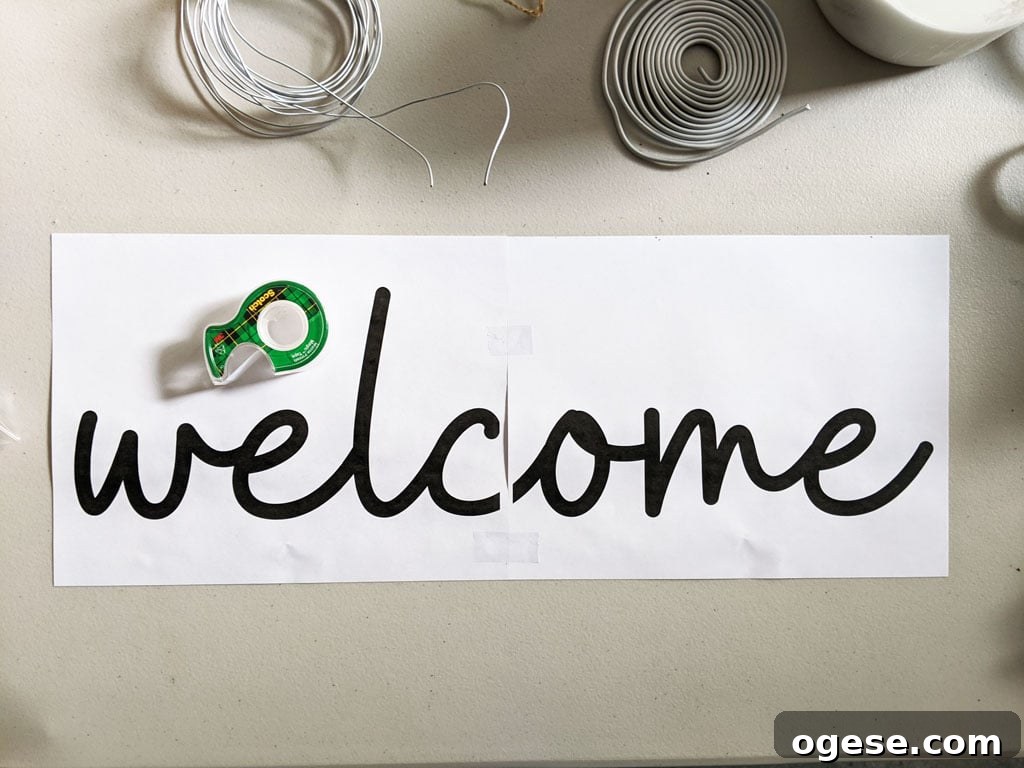
Type the word or phrase you want, select a script font with consistent stroke thickness, size it to your desired width, and print it. If the word is large, print it across multiple pages and tape them together.
If you prefer, use a ready-made template sized to print across standard pages. Tape the printed sheets together and secure the template to your work surface. Small gaps at the edges don’t matter — the template is only a guide for shaping the wire.
Tip: Use a script font with consistent line thickness for best results.
Step 2: Guide the wire along your template
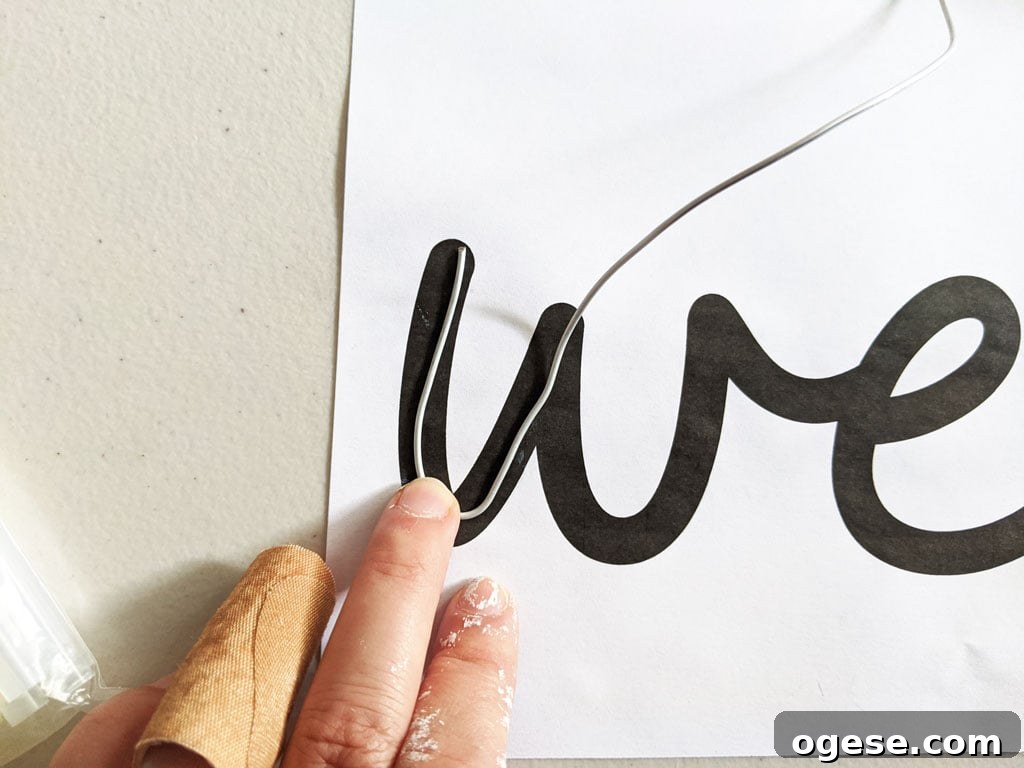
Starting at one side, bend the armature wire to follow the printed letters. Armature wire is flexible and easy to shape, so trace the curves and loops steadily.
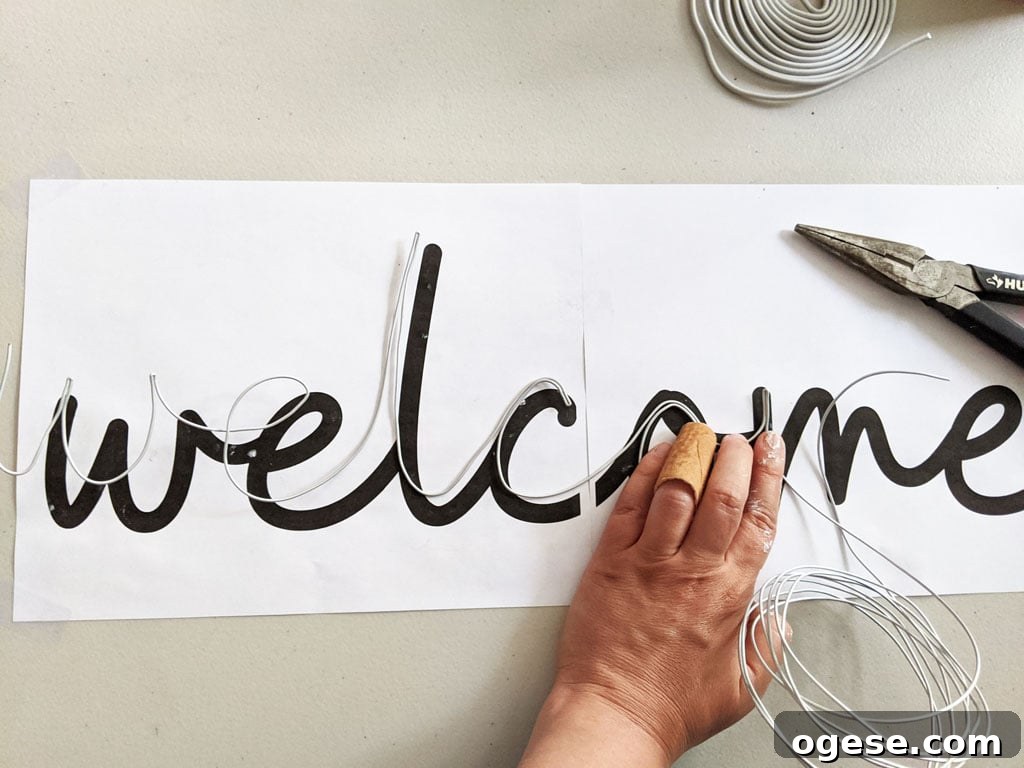
Don’t worry if the wire lifts off the paper or doesn’t sit perfectly flat. Wire bending is forgiving — small imperfections disappear once the word is wrapped.
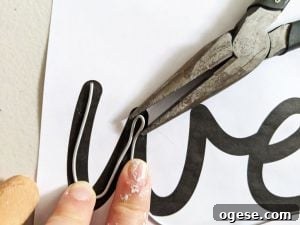
For sharp points or tight turns, use needlenose pliers to press the wire into the desired angle. Fingers can work, but pliers make the process cleaner.
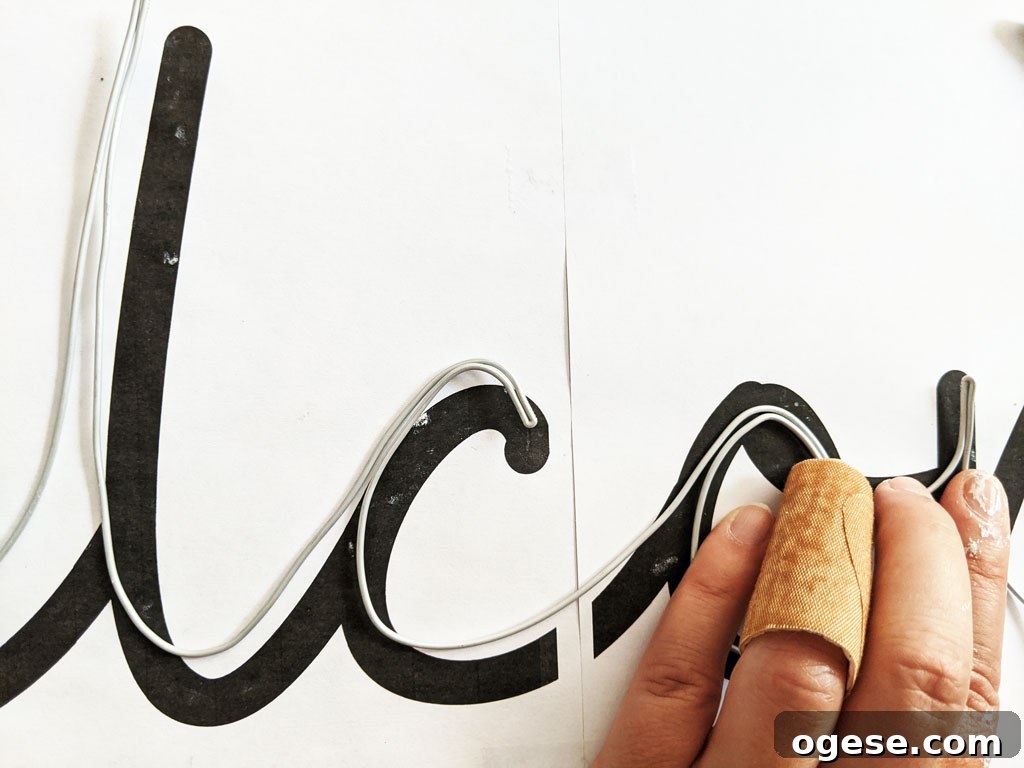
Some letters require doubling the wire back on itself. Make the return as tight as possible so the wrapping will disguise any gap.
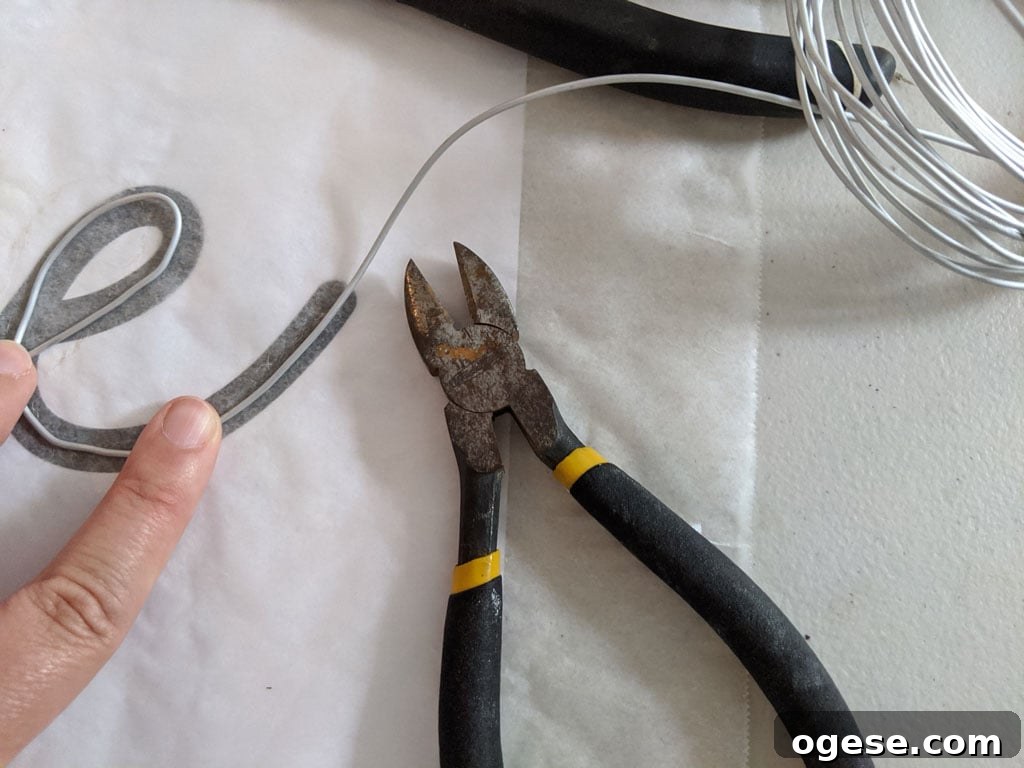
Trim the wire with wire snips when you reach the end of the word. Scissors can dull quickly, so snips are recommended.
Step 3: Wrap your wire word sign in jute (or material of choice)
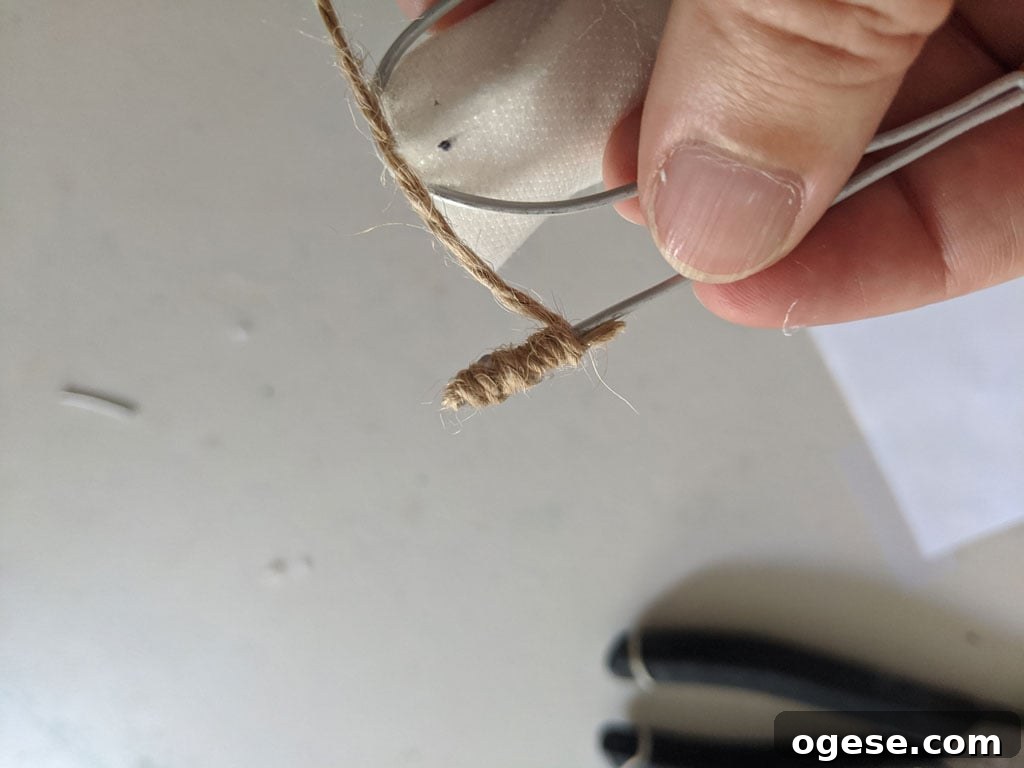
Secure the starting end of the finishing material with a dab of hot glue, then wrap tightly along the wire. Position the starting tail so you can wrap it back onto itself to create a neat beginning.
For a clean finish, lay a short tail of twine or yarn along the wire with glue, then wrap the long end tightly back over that tail to lock it in before continuing the full wrap.
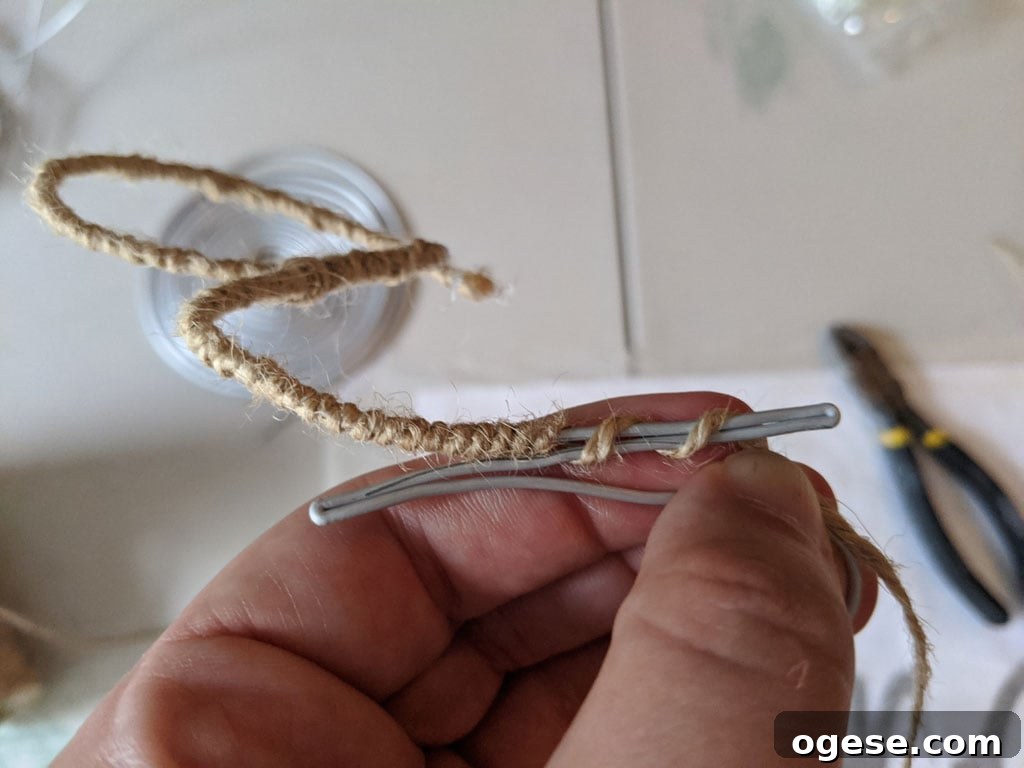
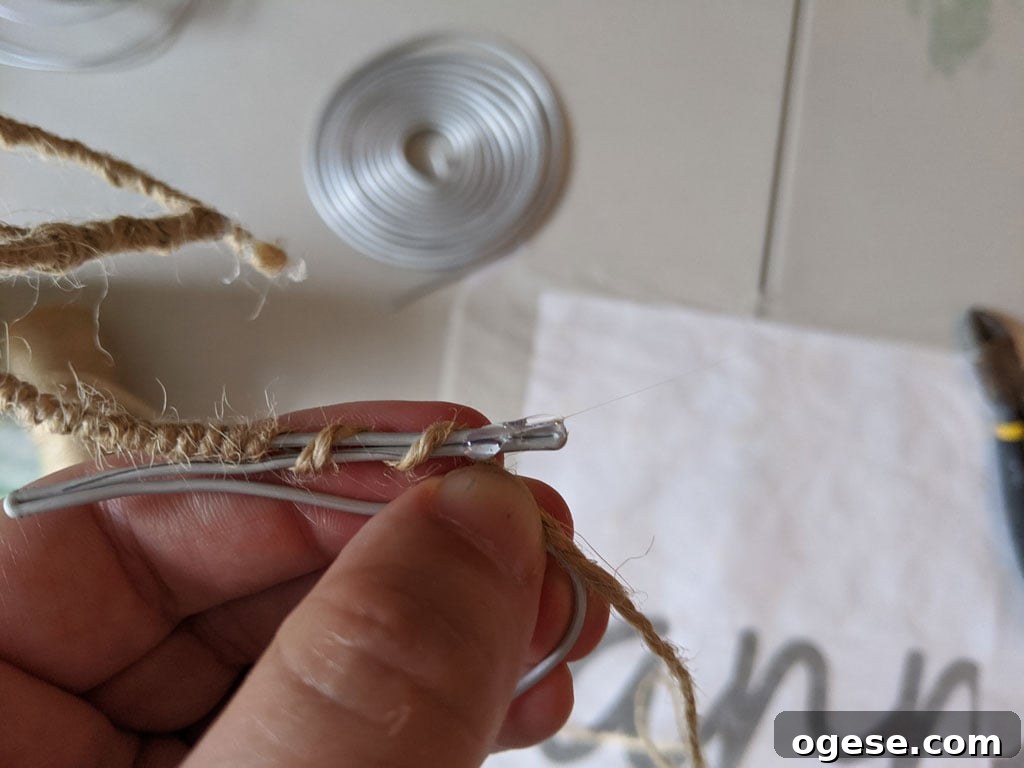
When a letter tip ends without connecting to the next stroke, apply a thin line of glue to the tip and wrap a slightly spaced layer to the end, then double back with tight wraps while the glue is still tacky. The spaced layer prevents that spot from becoming too bulky.
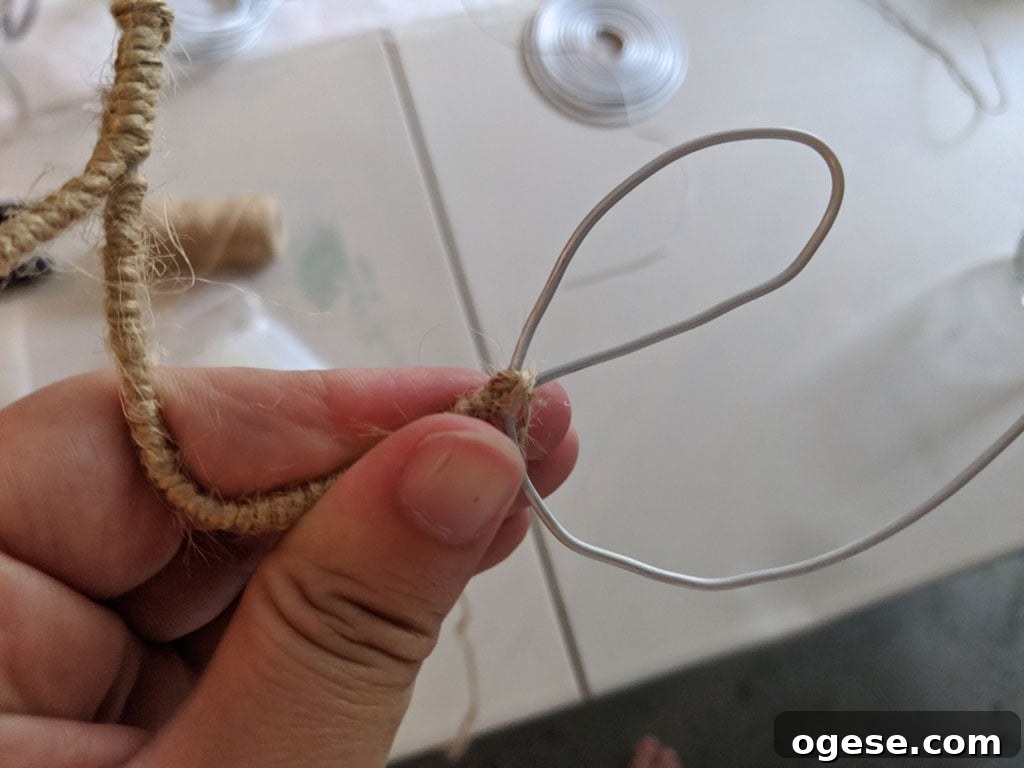
Crossing sections like the loop of an “e” benefit from reinforcement: wrap in an X pattern to secure the crossing wires before continuing.
Note: If your ball of twine is too large to pull through a letter loop, cut a long strand from the ball and continue wrapping. If you run out, glue the end down and start a new strand.
Use small dots of hot glue at transition points if the wrap feels loose, but usually a tight wrap alone keeps everything secure. When finished, add a final dot of glue to hold the end and trim the excess material.

And you’re done!
A short sign like “Welcome” can take around 20 minutes. Longer phrases require more time, but the method scales easily.
If jute isn’t your style, there are many other finishing options to try.
Finishing Material Ideas for Wired Word Signs
- Chunky yarn
- Battery-operated fairy lights or twinkle lights
- Glow-in-the-dark paint or materials for a faux neon look
- Ribbon
- Fabric strips
- Gimp or decorative cord
- Embroidery floss
- Thin leather strips
You can embellish any finish with small flowers, felt balls, beads, or other accents. Faux neon glow-in-the-dark signs work well for kids’ rooms, and wrapping finished signs with fairy lights creates a cozy, illuminated effect.
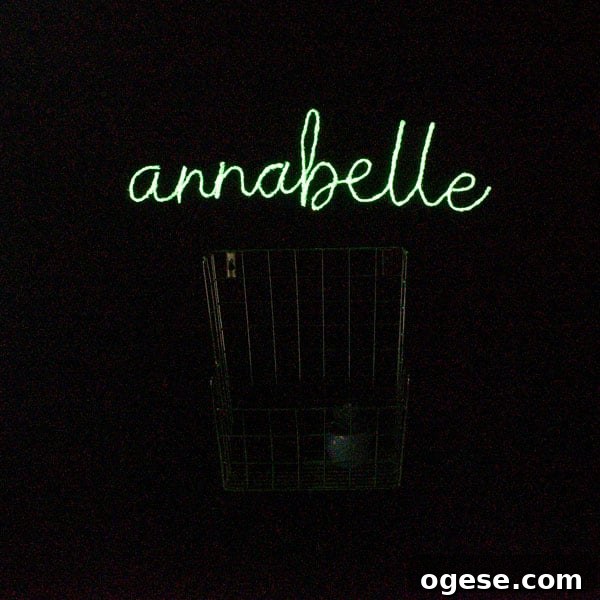
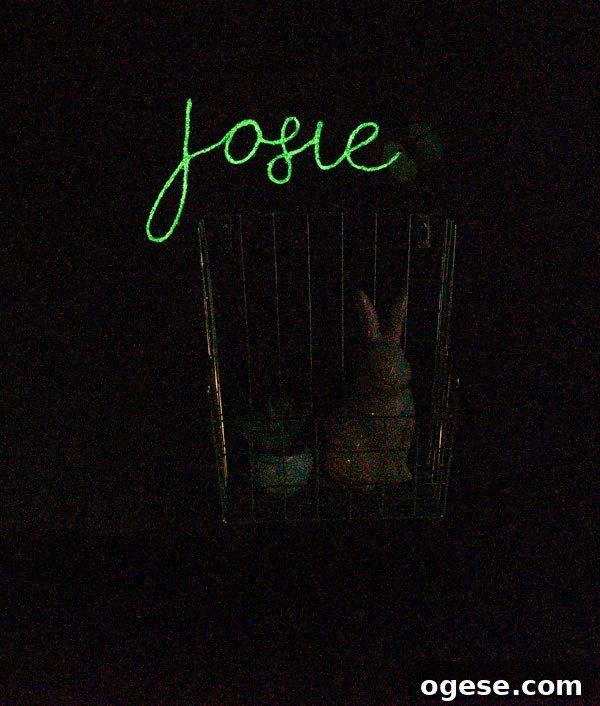
For a fairy-light version, after wrapping the sign in your chosen material, wrap a strand of battery-operated lights around the form. The light wire usually holds in place without extra glue, but a few glue dots can secure it if needed.
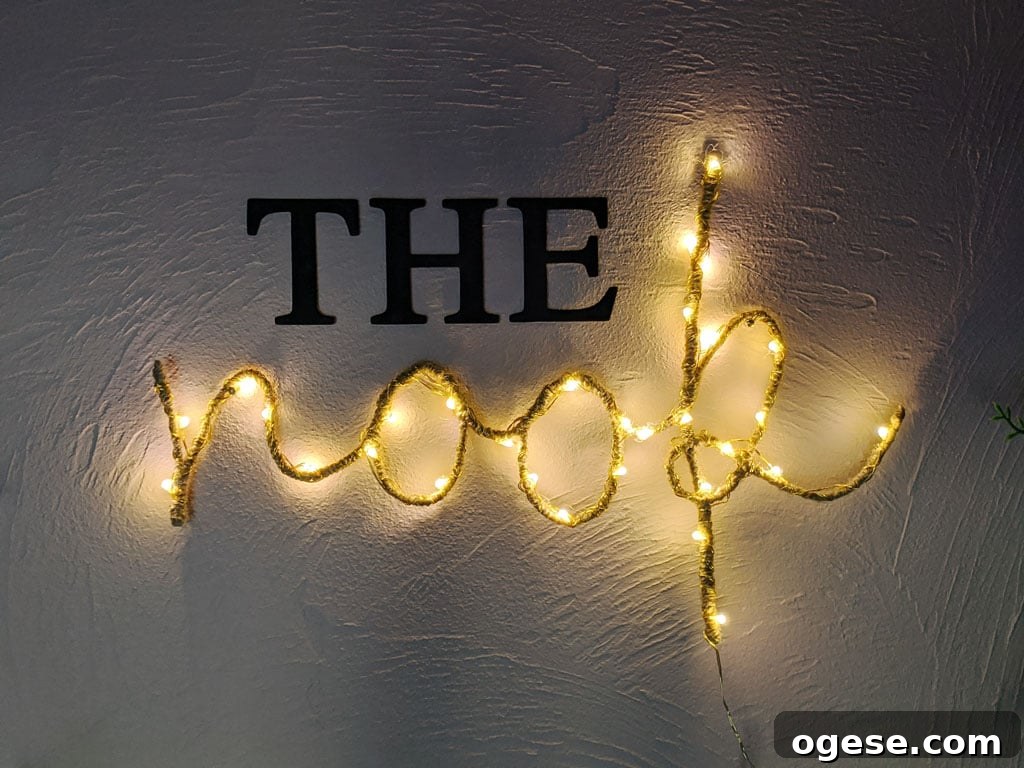
Ways to Decorate With a Wire Word Sign
Wire word signs are lightweight and adaptable. Beyond hanging words on a wall, try these ideas:
- Hang or tuck them into a Christmas tree
- Lean them on a shelf or mantel
- Use them as gift toppers
- Create instructive or welcoming signs (for example, “shoes off” at the entry)
- Place them in or on a wreath
- Hang them on a door
They’re ideal for seasonal decorating because they’re affordable, easy to personalize, and simple to store between uses.