Do you want to start your charcoal grill but realized you don’t have a chimney starter or lighter fluid? You’re in the right place.
In this guide you will learn:
- How to start your charcoal grill without a chimney starter or lighter fluid
- Practical tips for using and managing your charcoal grill
- Safe alternatives and step-by-step methods you can use anywhere
Jump to Section
What You Need to Know About Lighting Your Grill
There are several simple ways to light a charcoal grill without a chimney or lighter fluid. The goal is the same: get a reliable, sustained flame that will transfer heat to the charcoal until the coals are glowing. While lighter fluid offers a quick fix and a chimney starter is convenient, neither is strictly necessary. With a few common items and a little patience you can get the job done safely and reliably, whether at home or out camping.
Why You Should Start Your Charcoal Grill Without a Chimney or Lighter Fluid
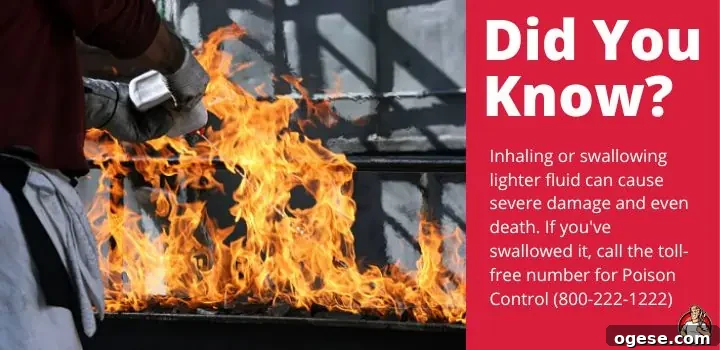
Using lighter fluid is common but it carries risks. It can lead to flare-ups and burns if mishandled, and it’s a toxic substance to store around children or pets. Even when used carefully, lighter fluid can sometimes leave a chemical taste on food. A chimney starter is a cleaner alternative, but it’s an extra piece of gear you may not always have available. Learning a few no-fluid methods gives you flexibility and safer options when you’re short on equipment.
Tools You Need to Start Your Charcoal Grill
You won’t need every item listed below for every method, but these are the common supplies that make no-chimney starting straightforward:
- Newspaper or other paper
- Cooking oil (olive or canola works well)
- Dry sticks or small kindling
- Dry grass, pine needles, or other fine tinder
- Matches or a lighter
With a few of those on hand, you can choose the method that best fits the conditions where you’re grilling.
How to Start a Charcoal Grill With Newspaper
The newspaper method is reliable when you have plenty of paper and little other tinder. It’s especially useful after rain when sticks may be damp.
Step 1: Crumple and Arrange
Crumple five or more balls of newspaper and place them in the bottom of the grill to form your initial tinder bed.
Step 2: Place Charcoal
Layer 4–5 pieces of charcoal on top of the paper balls. Keep extra paper nearby—charcoal can take time to ignite.
Step 3: Light the Paper
Light the newspaper in several spots using matches or a lighter. Let the flames and heat begin to catch the charcoal.
Step 4: Add More Paper if Needed
If the paper burns down before the coals catch, add more paper to maintain the flame until the charcoal begins to glow and smolder.
Step 5: Add Charcoal Gradually
Once smoke and glow indicate the coals are catching, add more charcoal slowly. Avoid dumping too many pieces at once, which can smother the embers.
Step 6: Distribute and Cook
When enough coals are lit, spread them evenly or arrange for two-zone cooking depending on your recipe, and begin grilling.
Starting Your Grill With Newspaper and Oil
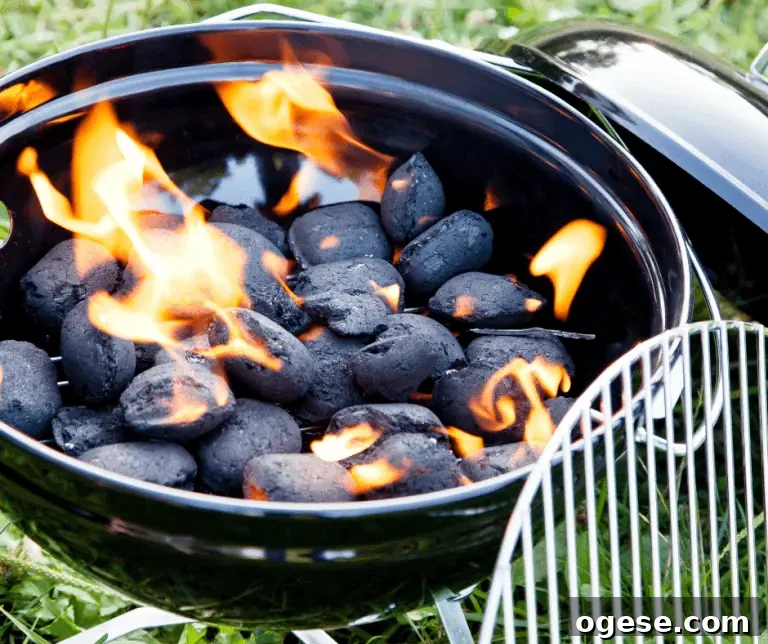
If plain newspaper burns too quickly, soak half of each paper sheet in a small amount of cooking oil to extend burn time. Olive or canola oil works fine. Arrange and light the paper the same way as the basic newspaper method, igniting the dry edge so the oil-soaked portion sustains the flame longer and helps the charcoal catch.
Newspaper (or Dry Grass) and Stick Method
This combined method is one of the most effective when you have dry sticks or kindling available. It uses both tinder and small fuel to bridge the gap to charcoal ignition.
Step 1: Crumple and Arrange
Crumple several balls of newspaper and place them in the grill as the initial tinder source.
Step 2: Place Sticks
Lay a small pile of dry sticks or kindling over the paper. The sticks will burn longer and hotter than paper alone.
Step 3: Place Charcoal
Stack 4–6 pieces of charcoal on top of the sticks so heat from the burning sticks can transfer to the coals.
Step 4: Light the Paper
Light the newspaper in several spots. The paper should ignite the sticks, and the sticks in turn should ignite the charcoal. Add more tinder if the sticks aren’t catching.
Step 5: Add More Charcoal
Once the initial coals are producing smoke and glow, add additional charcoal slowly until you have the amount needed for cooking.
Step 6: Disperse and Cook
When the coals are well-lit, spread them for even heat or set up a hot and cool zone for indirect cooking. Note: if you don’t have newspaper, fine dry tinder like pine needles or dry grass can substitute.
An Alternative Option
If you happen to have one, an electric firestarter is a convenient, safe alternative that uses electricity to ignite coals quickly and without chemicals. It’s a compact tool worth considering for frequent charcoal grilling, though it may not be available when you’re improvising outdoors.
How Much Charcoal Do You Need?
After your initial 4–6 starter coals, the total amount needed depends on grill size and cooking duration. A small kettle grill typically needs about 20–30 pieces of charcoal for a standard cook. Medium grills often require around 40 coals, and large or commercial setups will need more—often a full bag or two. For long cooks, plan to add charcoal during the session to maintain temperature.
With these methods, you can light a charcoal grill safely and effectively without lighter fluid or a chimney starter. Choose the approach that fits your supplies and conditions, keep a safe distance while lighting, and enjoy your cookout.