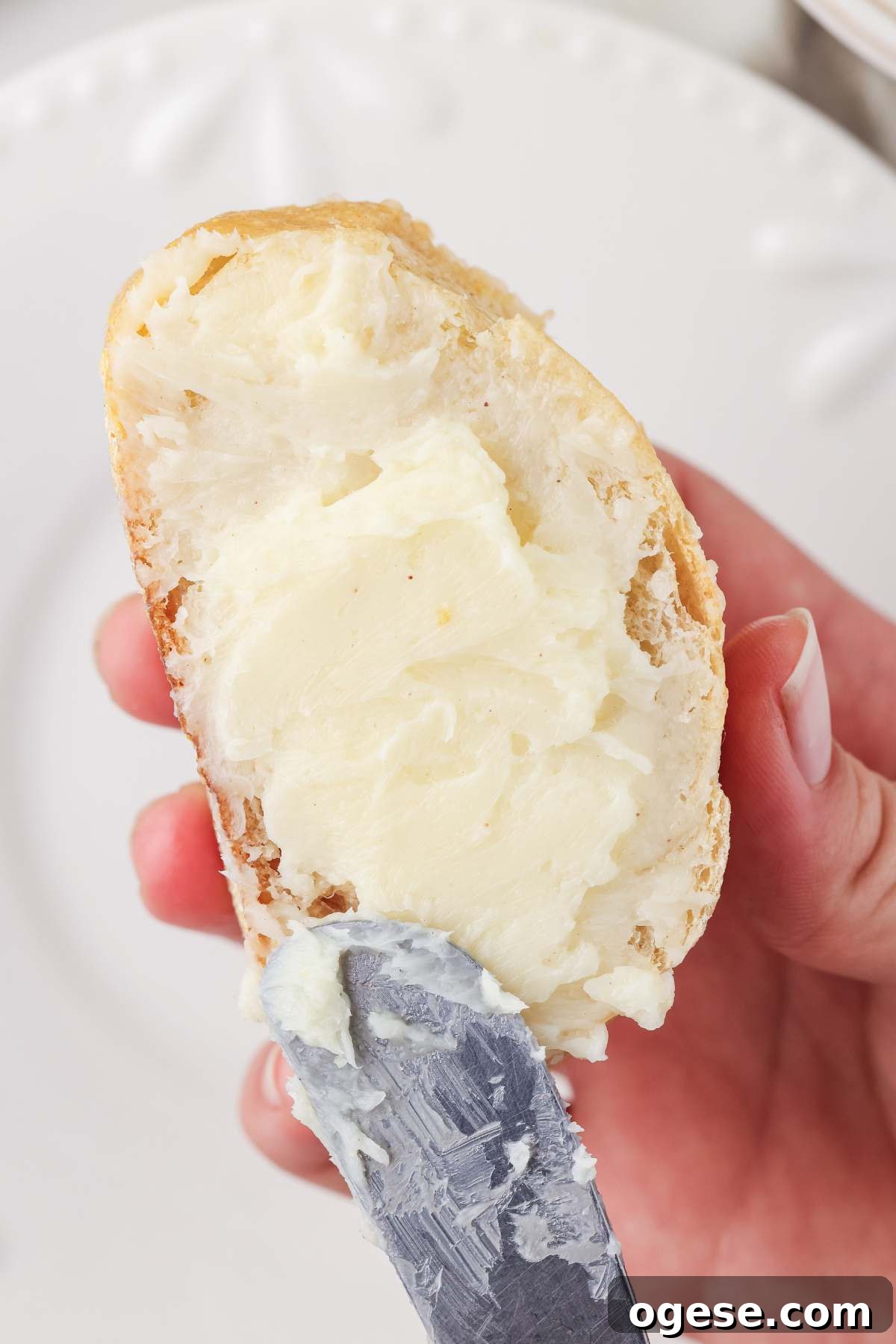
Making butter at home is more than a kitchen experiment — it yields a clean, rich flavor that elevates every slice of bread. With just heavy cream and a mixer, you can produce fresh butter that often tastes better than store-bought. For best results, use a mixer rather than trying to do this by hand; it takes far less time and energy. Here’s a clear, step-by-step guide to making butter at home.
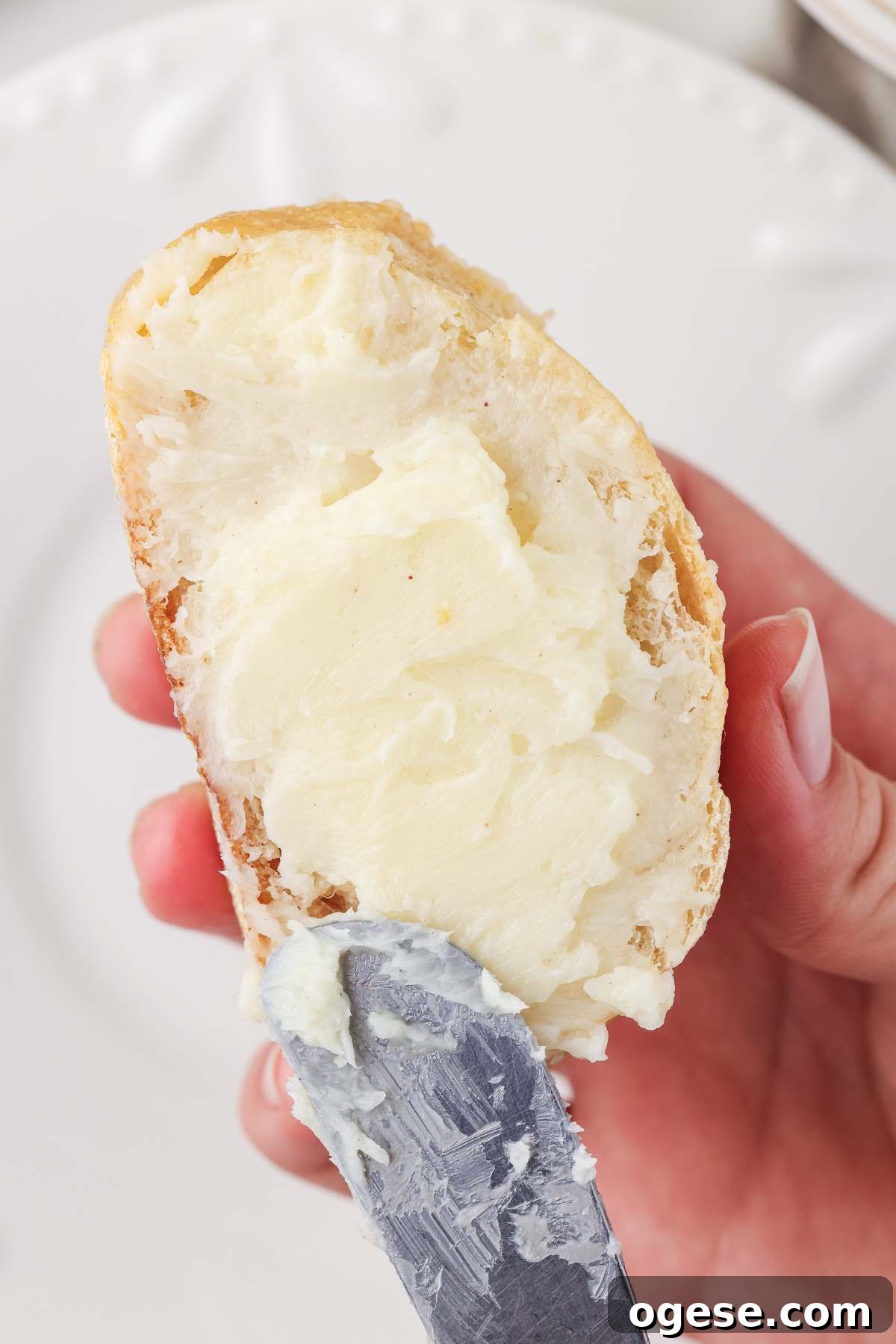
Homemade butter does take more time than grabbing a stick at the store, but it’s worth trying at least once. You may find you love the fresh flavor and start making it regularly, or you might enjoy both homemade and store-bought — either way, it’s a delicious option.
Table of Contents
- Ingredients and Tools You’ll Need
- How to Make Homemade Butter
- Serving & Storing Your Homemade Butter
- Make It Your Own
- Printable Recipe
Ingredients and Tools You’ll Need
As you whisk cream beyond the whipped stage, fat globules clump together, separating from the liquid (buttermilk). Cream temperature matters: too cold and the process takes much longer; too warm and the butter can become greasy. Let the cream come to room temperature before starting.
This article may reference recommended products; any affiliate relationships are disclosed where relevant. Recommendations reflect items the author would use in a kitchen.
If you want to double or triple this recipe, adjust the quantities in the recipe card below.
Equipment
- Hand or stand mixer (a stand mixer is easiest; a hand mixer also works)
- Whisk
- Large spoon
- Cheesecloth
- Fine mesh sieve
- Large bowls (high-sided to reduce splatter)
- Measuring cups and spoons
Ingredients
- 2 cups heavy cream (room temperature; at least 36% fat; avoid ultra‑pasteurized if possible)
- ½–1 teaspoon sea salt (adjust to taste)
How to Make Homemade Butter
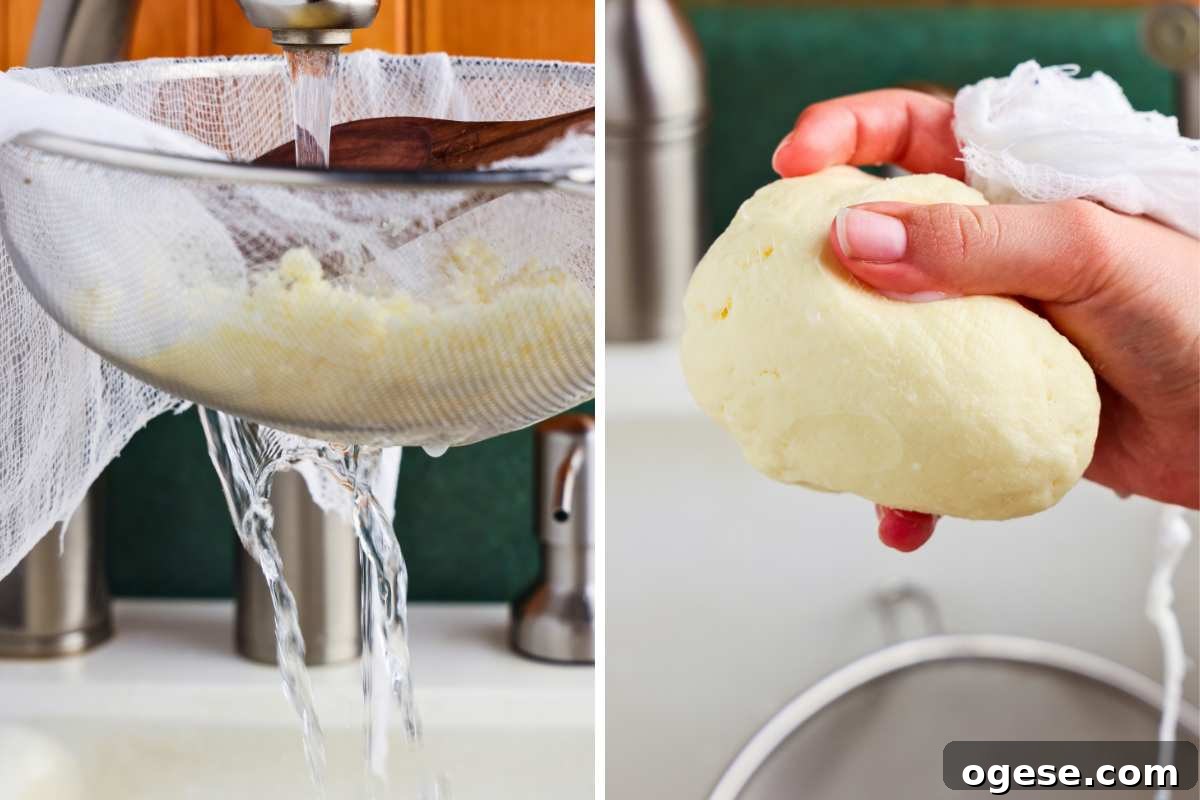
A thorough rinse is essential. Any remaining buttermilk will shorten the butter’s shelf life, so rinse until the water runs clear.
Step One: Whisk
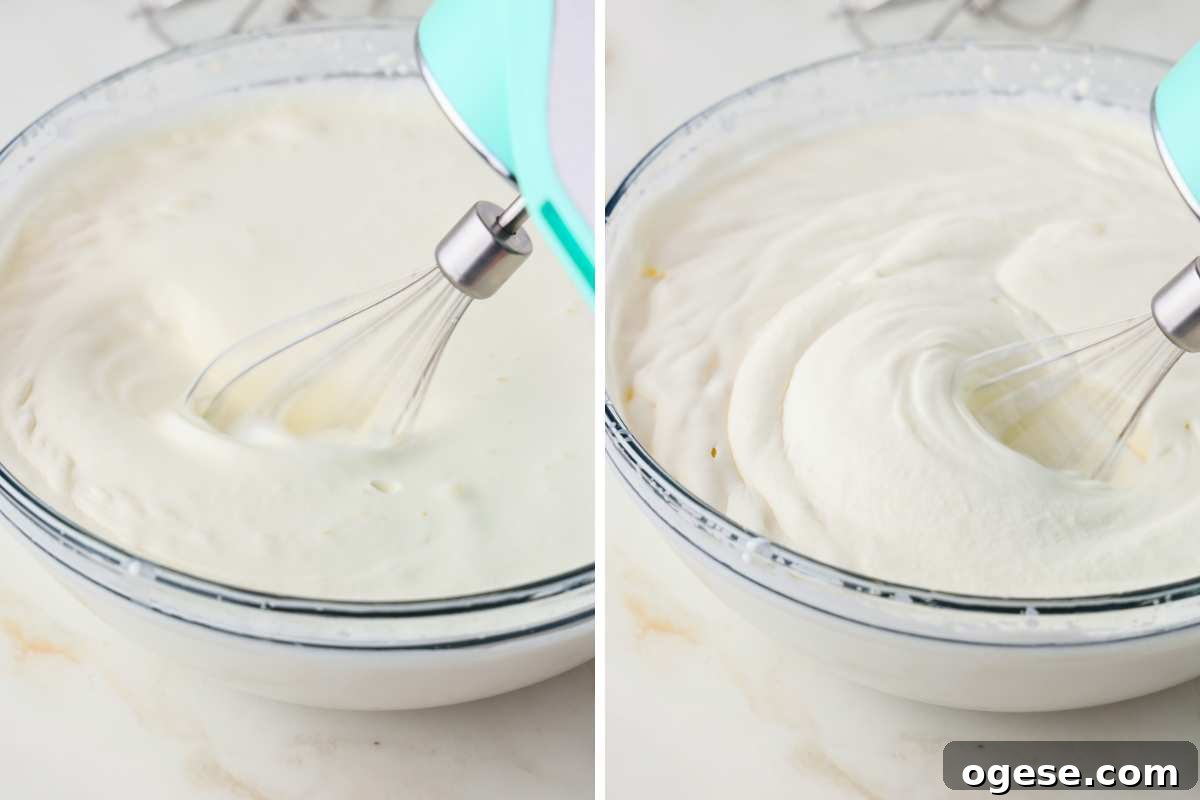
Add the cream to a large bowl or the bowl of a stand mixer. Whisk on low for about 10–12 minutes, until the cream thickens and becomes whipped cream.
Step Two: Beat
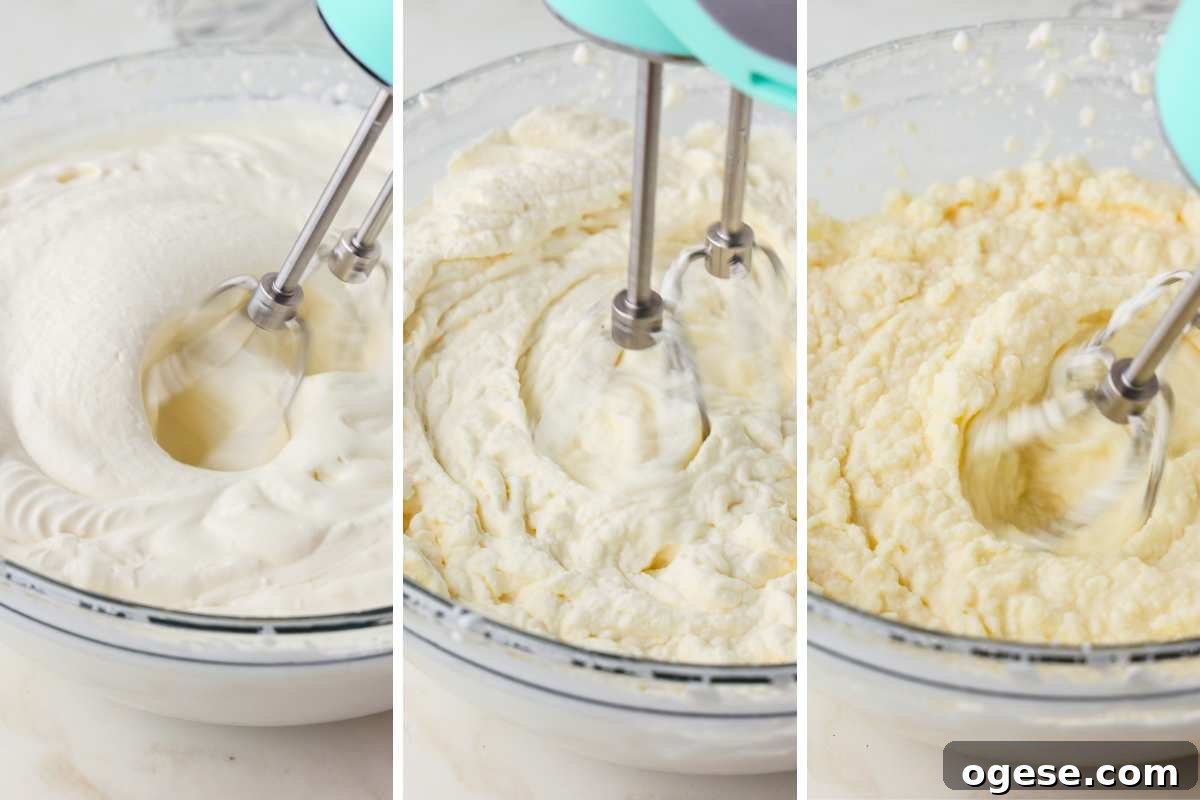
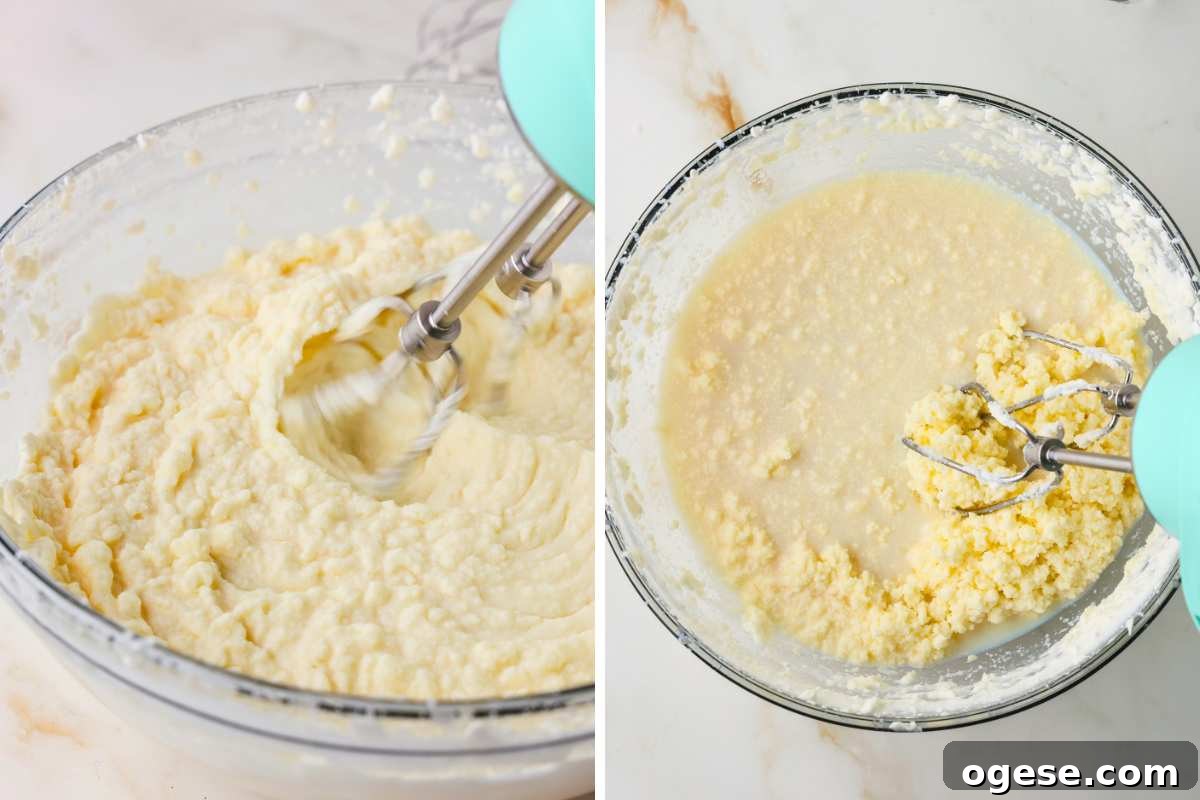
Switch to the beater attachment on a hand mixer, or continue with the whisk on a stand mixer. Beat at medium-high speed. After about 20 minutes the whipped cream will form small clumps; by 25 minutes it will begin to turn pale yellow as the fat separates.
Step Three: Reduce Speed
About 30 minutes in, liquid (buttermilk) will separate from the solid butter clumps. Reduce the mixer speed to avoid splattering. By around 35 minutes the butter clumps should be clearly separated from the whitish buttermilk.
Step Four: Separate
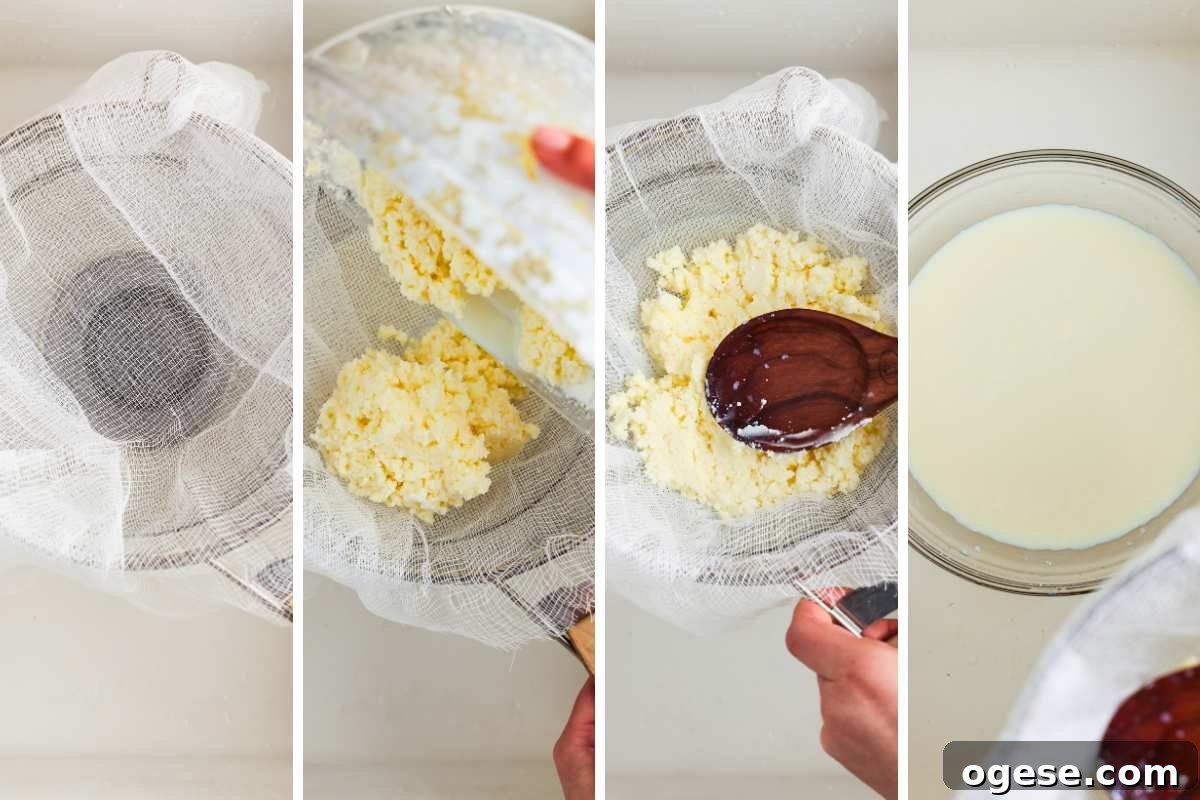
Line a fine mesh sieve with cheesecloth and place it over a bowl. Pour the mixture onto the cheesecloth and let the buttermilk drain into the bowl below. Use the back of a large spoon to press the butter clumps and extract as much buttermilk as possible. Save the buttermilk for baking if desired.
Step Five: Rinse
Rinse the butter with cold water for 3–5 minutes while gently pressing to remove remaining buttermilk. Continue until the rinse water runs clear. After rinsing, gather the butter in the cheesecloth and squeeze out excess liquid.
Step Six: Add Salt
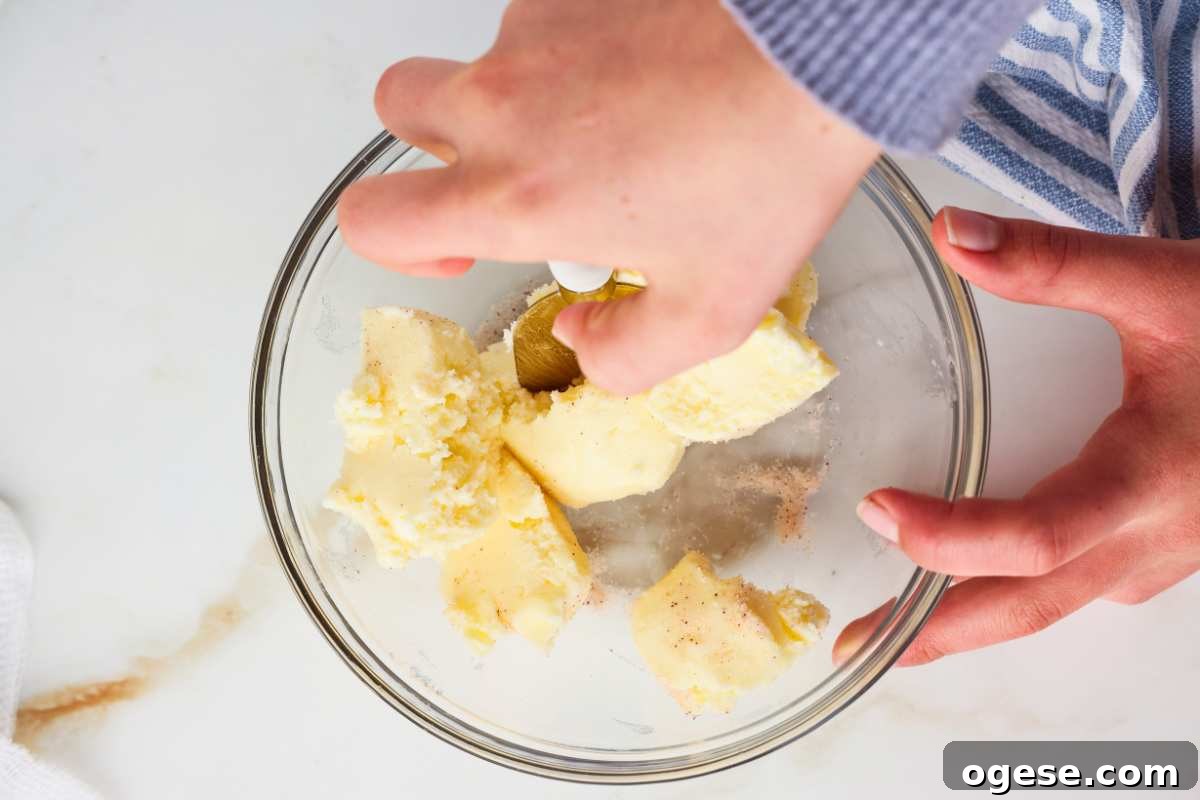
Place the butter in a bowl and add ½ teaspoon sea salt. Mix thoroughly and taste, adding up to another ½ teaspoon if you prefer it saltier.
Serving & Storing Your Homemade Butter
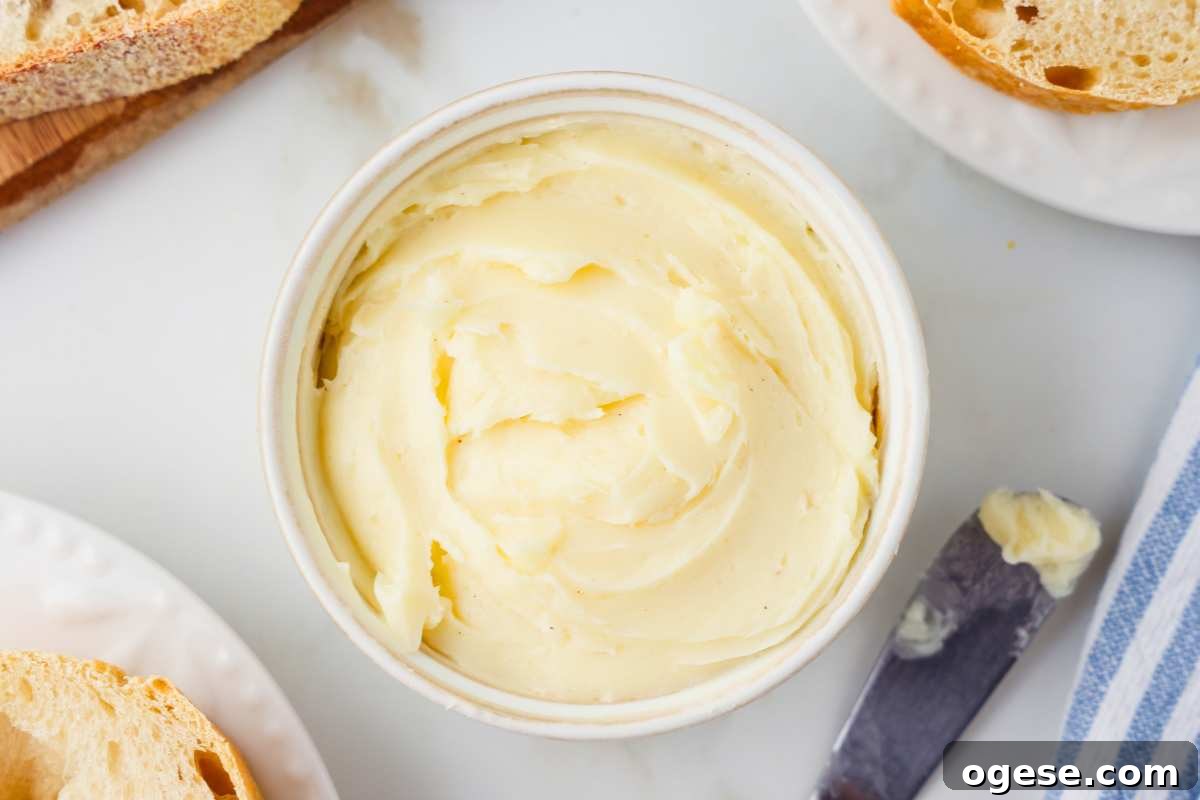
Store butter wrapped tightly in the refrigerator for up to 3 weeks, or freeze for up to 3 months. Keep it well wrapped to prevent it from absorbing other flavors. Bring to room temperature before serving for the best spreadability.
Serve on any warm bread, biscuits, or toast.
- Spread on a soft slice of buttermilk sandwich bread.
- Top a warm cream biscuit for breakfast.
- Enjoy on a slice of cinnamon raisin or sourdough bread.
Make It Your Own
Customize your butter by adding flavors during the final mixing:
- Chopped fresh herbs for a compound butter
- Use cultured cream for a tangier profile
- Roasted garlic for a savory spread
- Different salts, like smoked salt, for varied flavor
- Reserve the buttermilk to bake pancakes, waffles, or bread
Printable Recipe
Homemade Butter
 Katie Shaw
Equipment
-
Hand or stand mixer
-
Whisk
-
Large spoon
-
Cheesecloth
-
Fine mesh sieve
-
Large bowls
-
Measuring cups and spoons
Ingredients
- 2 cups heavy cream (room temperature)
- ½-1 teaspoon sea salt
Instructions
-
Whisk. Add cream to a large bowl or stand mixer and whisk on low for 10–12 minutes until it thickens into whipped cream.
-
Beat. Switch to the beater on a hand mixer or continue with the stand mixer whisk at medium-high. After about 20 minutes you’ll see small clumps form; by 25 minutes the mixture will begin to look pale yellow.
-
Reduce speed. Around 30 minutes liquid will separate from solid butter clumps. Lower the speed to avoid splatter. By 35 minutes the difference between butter and buttermilk will be clear.
-
Separate. Line a fine mesh sieve with cheesecloth over a bowl. Pour the mixture in and press the butter to extract as much buttermilk as possible. Reserve the buttermilk for baking if you like.
-
Rinse. Rinse the butter with cold water for 3–5 minutes, pressing gently until the water runs clear. Squeeze out excess liquid in the cheesecloth.
-
Add salt. Transfer butter to a bowl, add ½ teaspoon sea salt, mix, and taste. Add up to another ½ teaspoon if desired.
Notes
Times are approximate. Watch for the visual cues: whipped cream, clumping, then separation.
Use a large enough bowl to minimize splatter; bigger is better.