Easter and spring
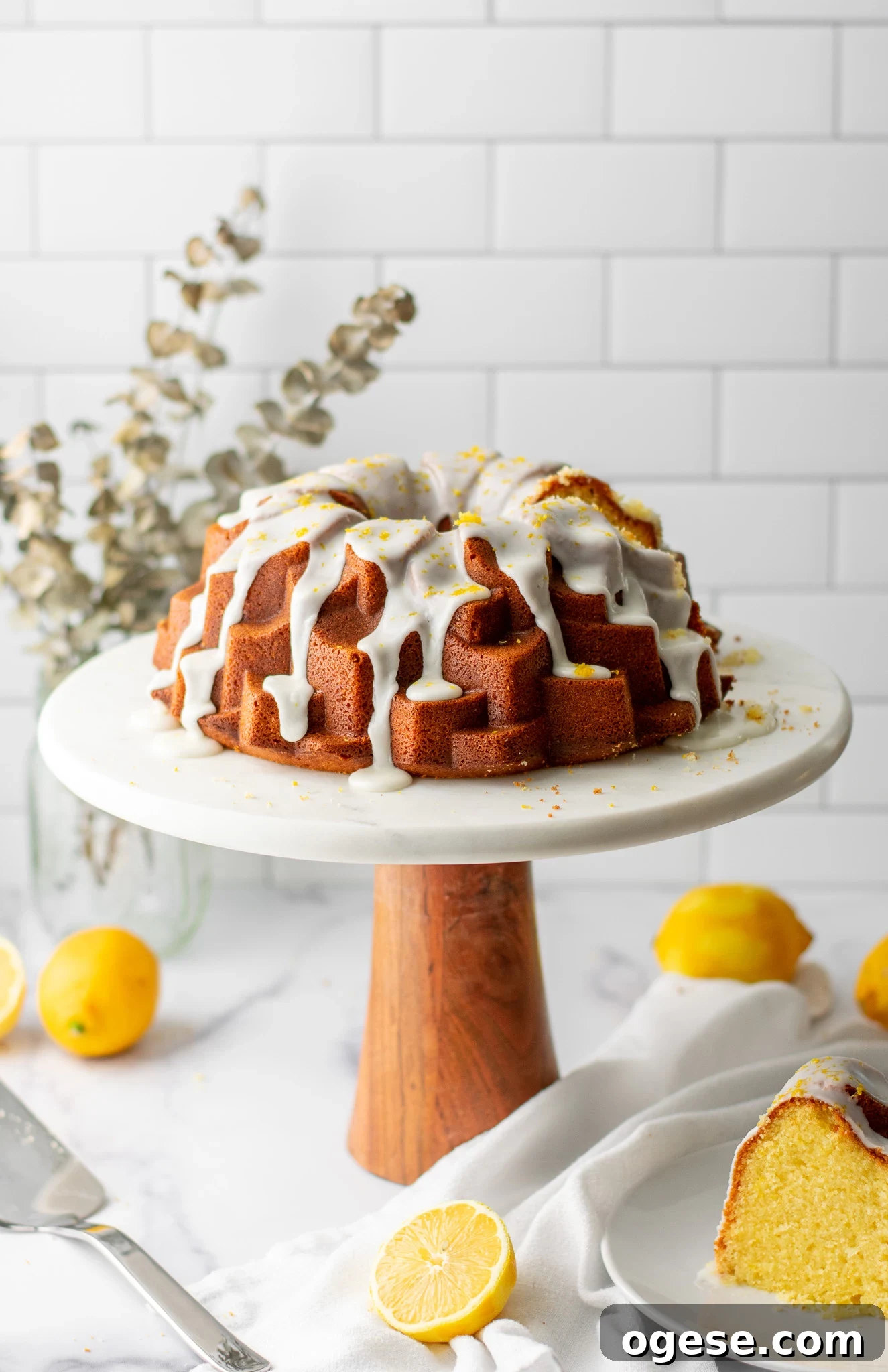
April has arrived, and with it comes Easter and the welcome return of spring. After a long winter — as it often feels — warmer days and longer light lift our spirits. Spring brings a sense of renewal, fresh ingredients and new ideas, and for us it’s an inspiring season for baking. Spring baking celebrates bright flavors, color and light textures, and this lemon bundt cake fits that mood perfectly.
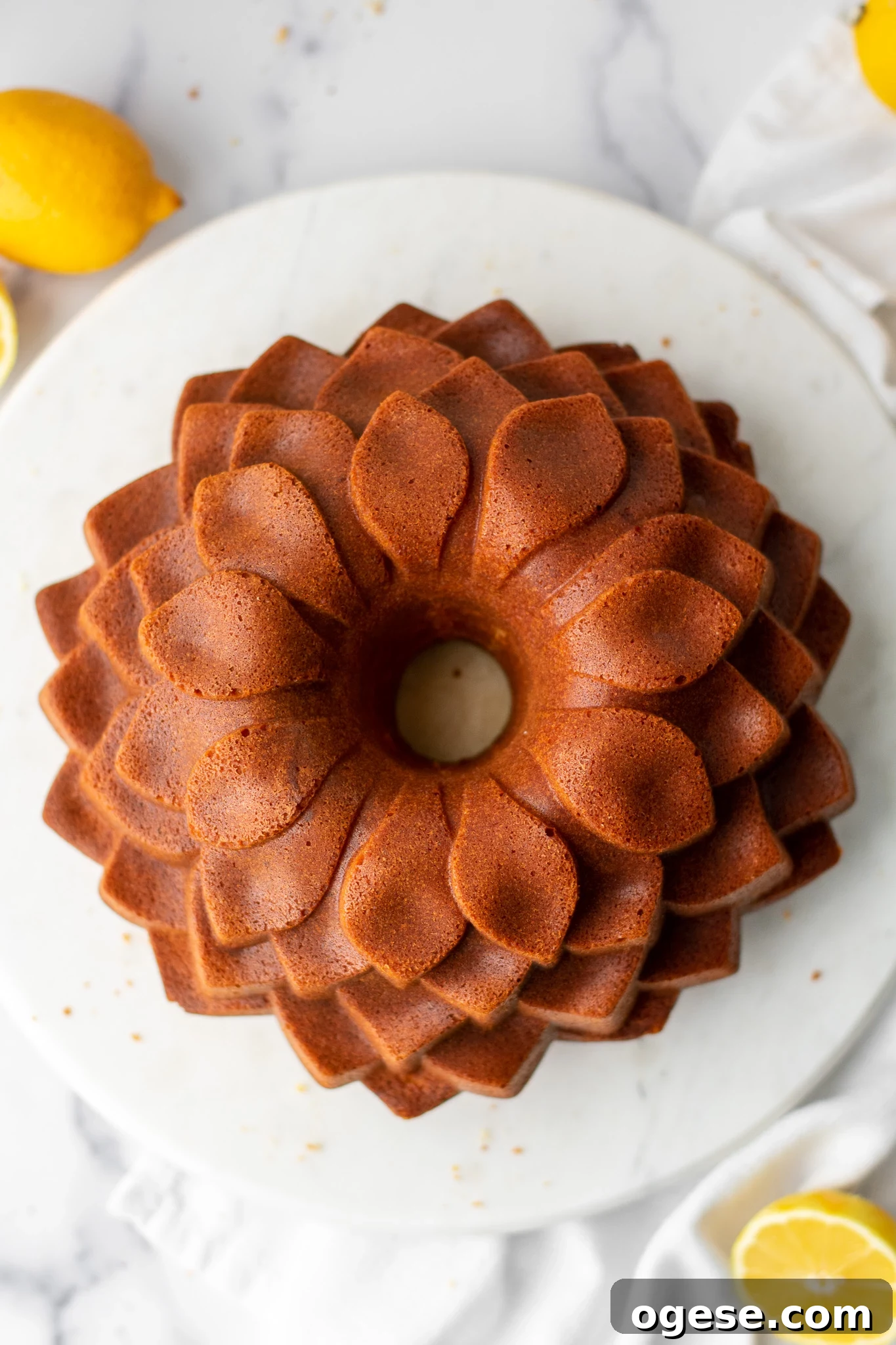
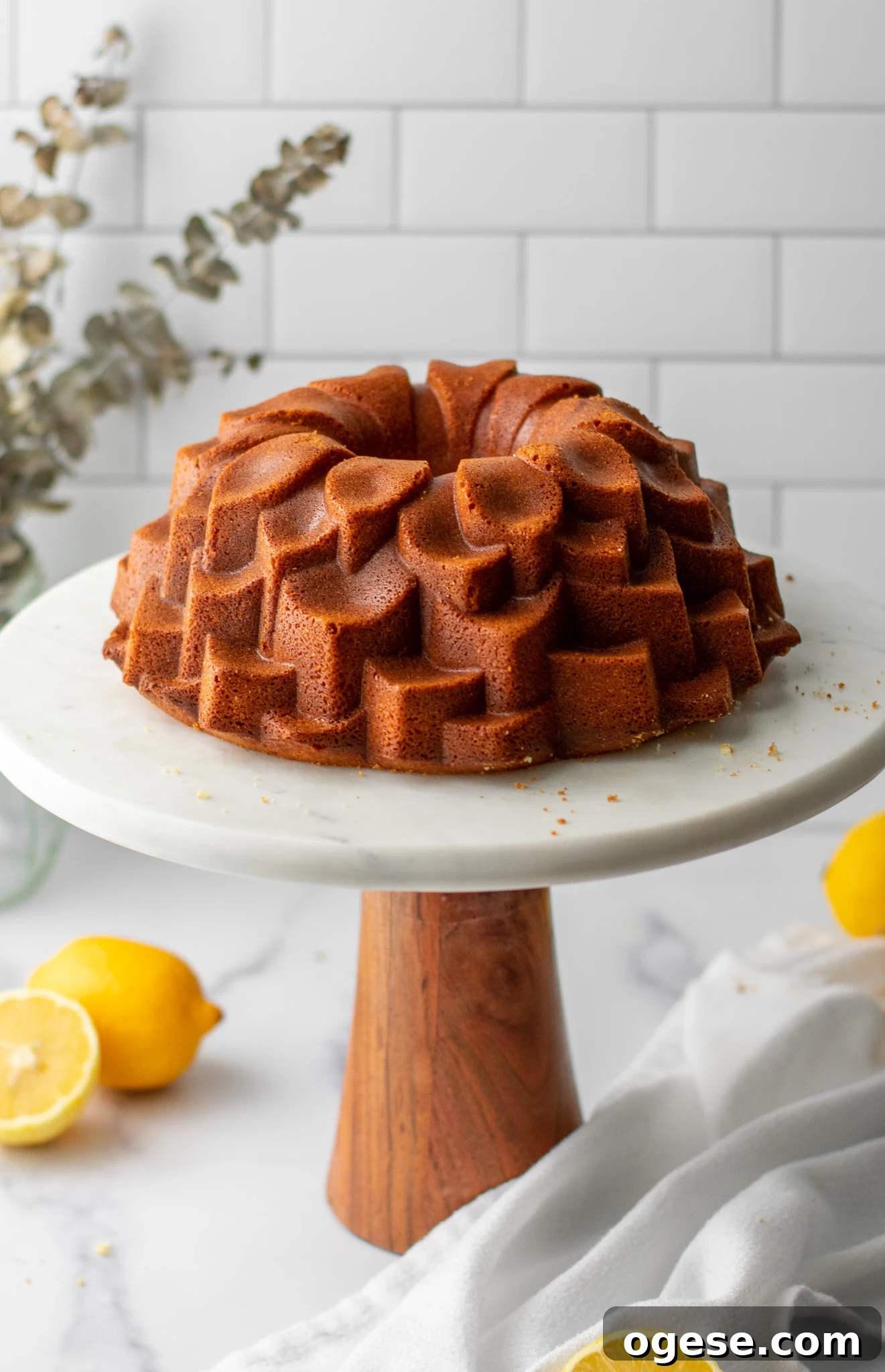
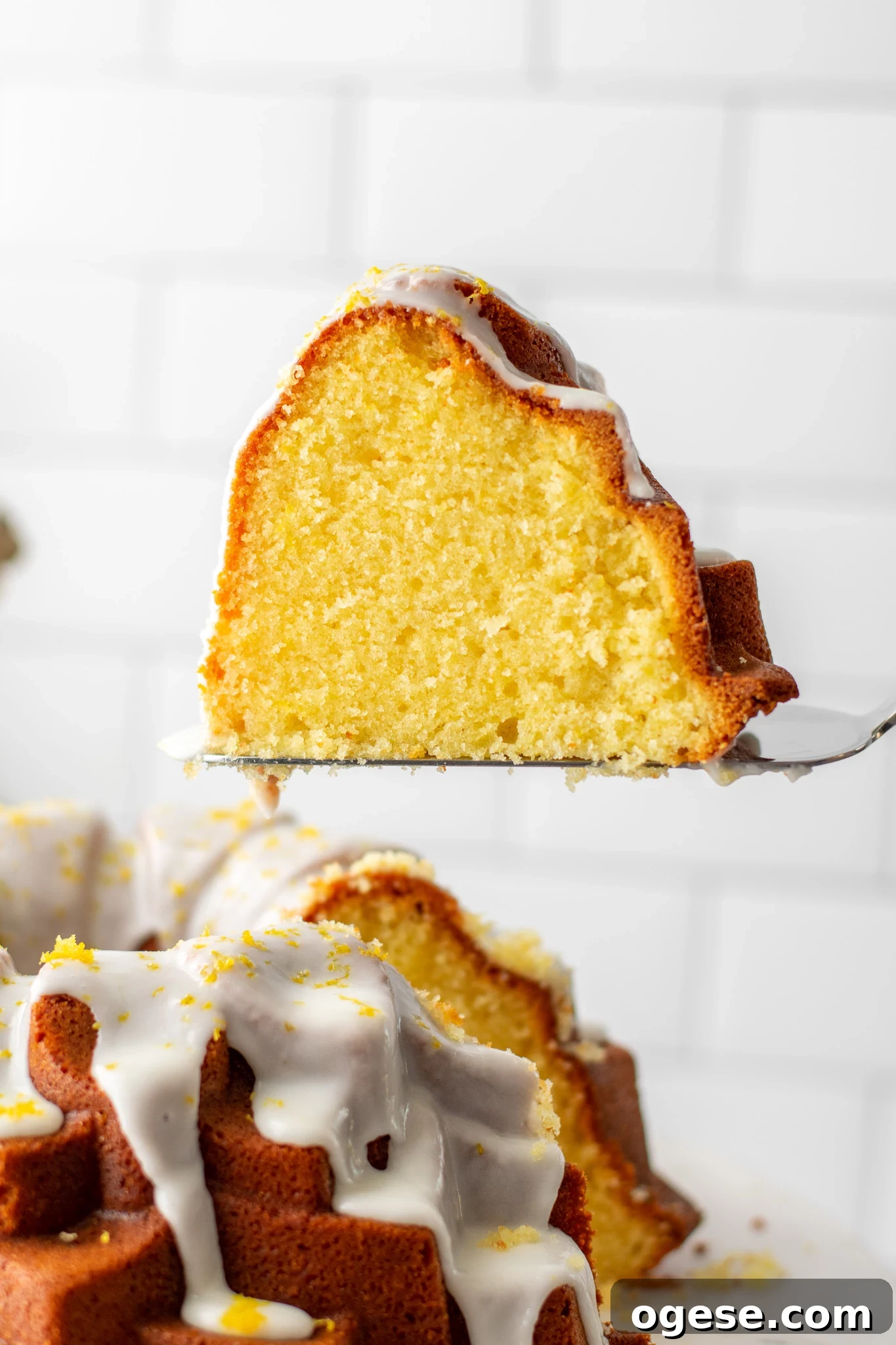
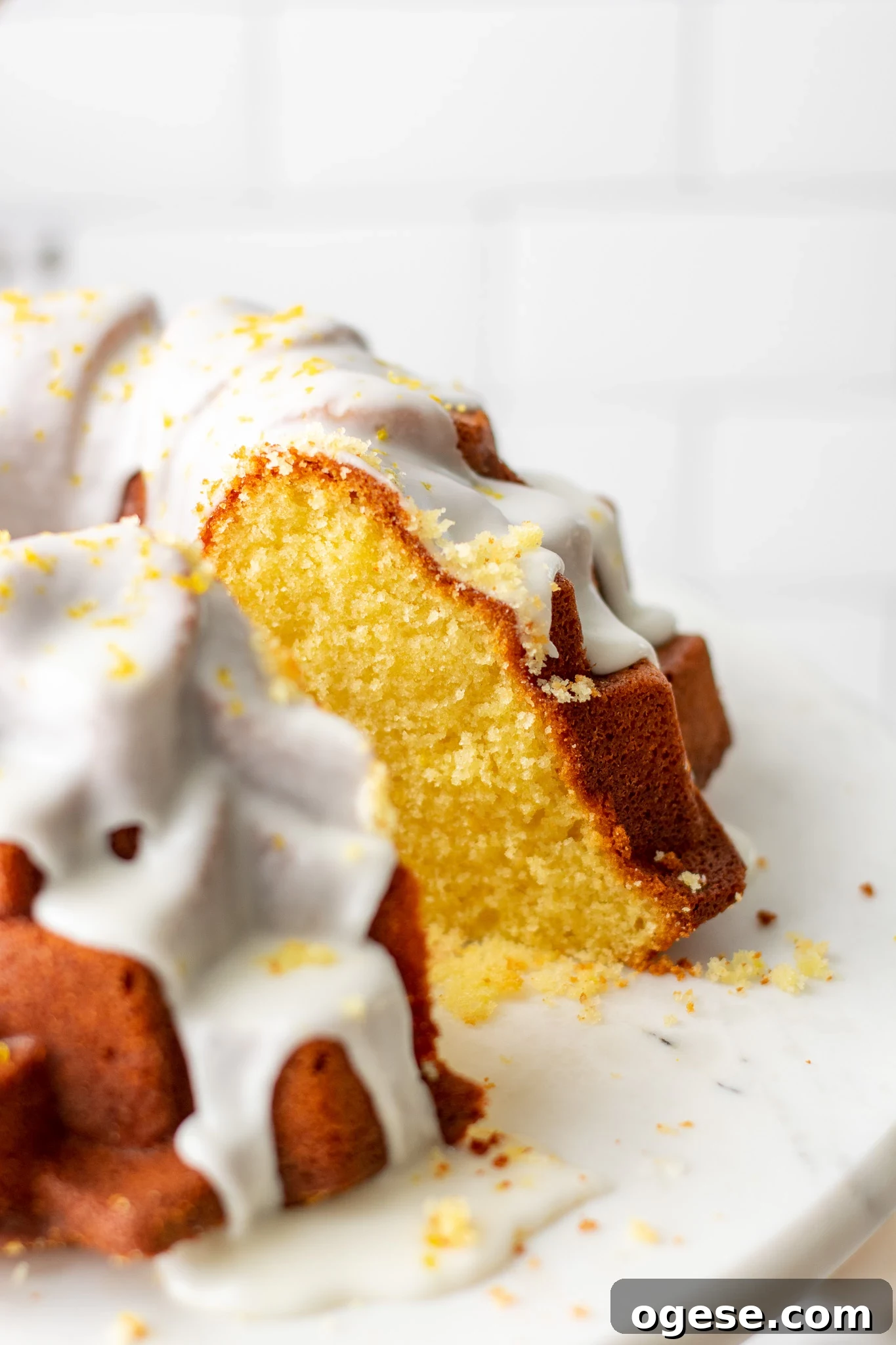
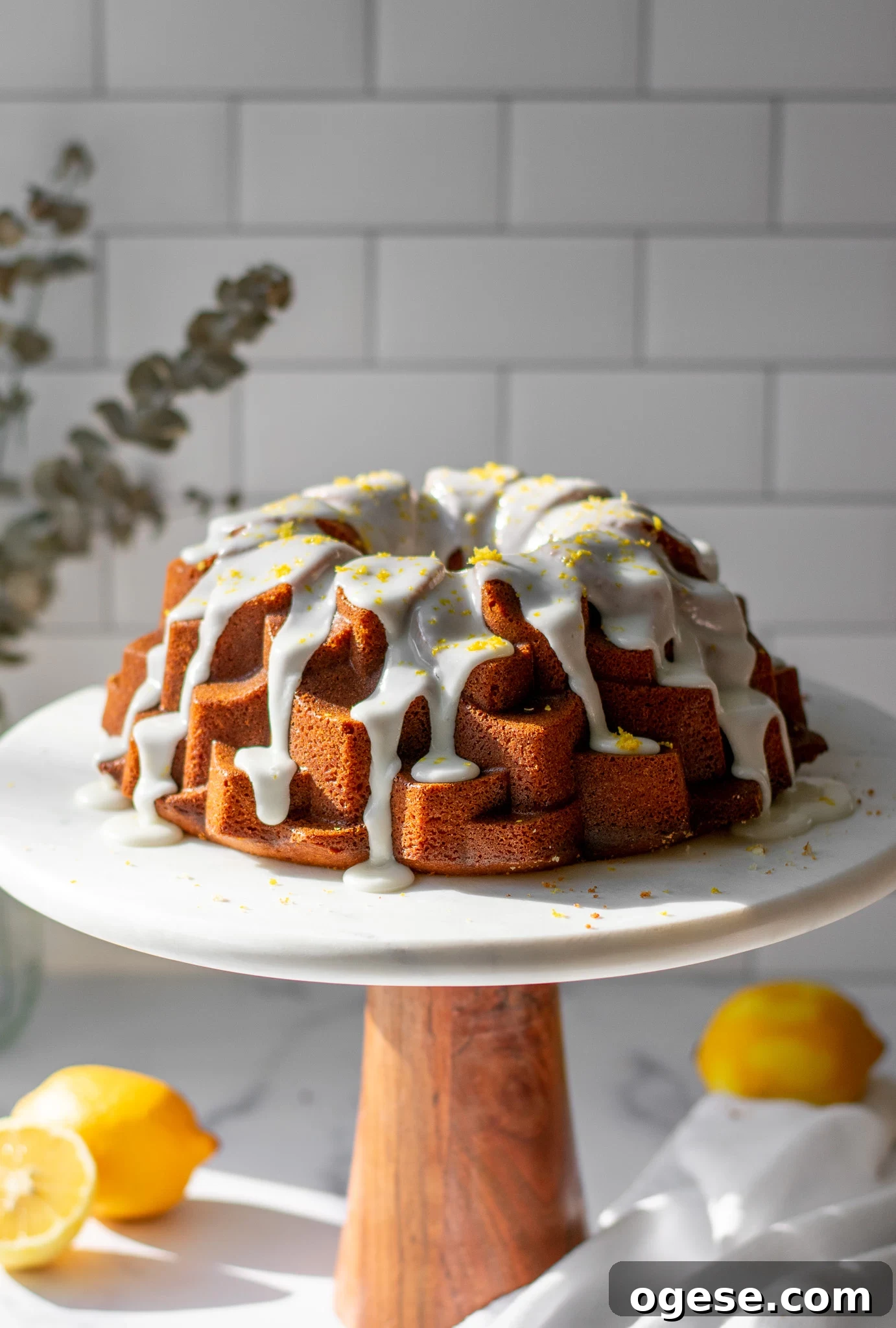
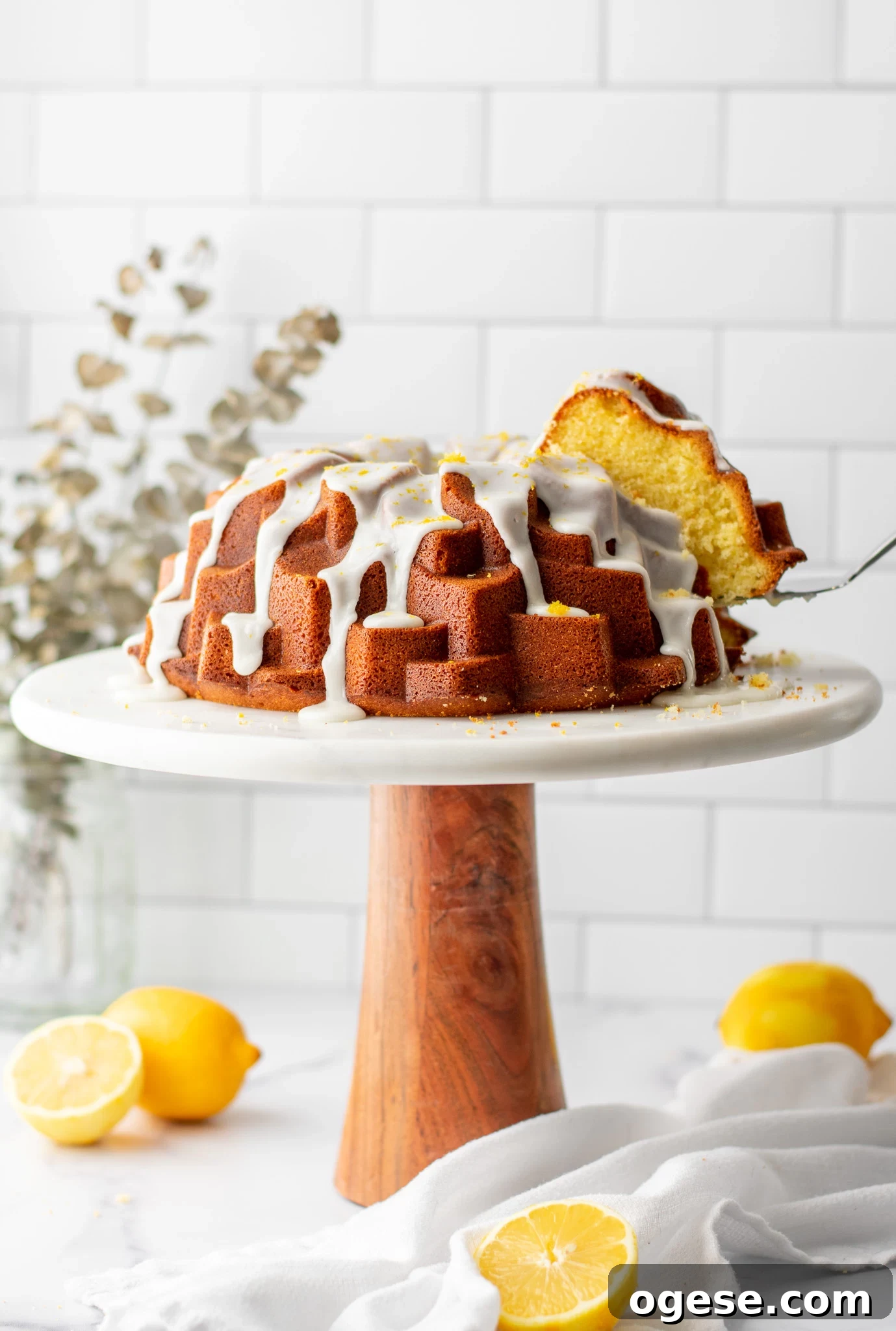
As the weather improves, we love serving a simple, elegant cake that looks impressive without requiring fussy techniques. A decorative bundt tin creates a beautiful centerpiece; just be sure to brush every nook with vegetable oil or vegetable shortening to prevent sticking. The cake’s sponge is subtly lemony, moist and tender — an ideal dessert for Easter or any spring gathering.
NOTE TO OUR READERS:
Any links marked with an asterisk (*) are affiliate links. This means we may earn a commission if you make a purchase through those links. For more details on our disclosures, see our privacy policy.
Today’s recipe
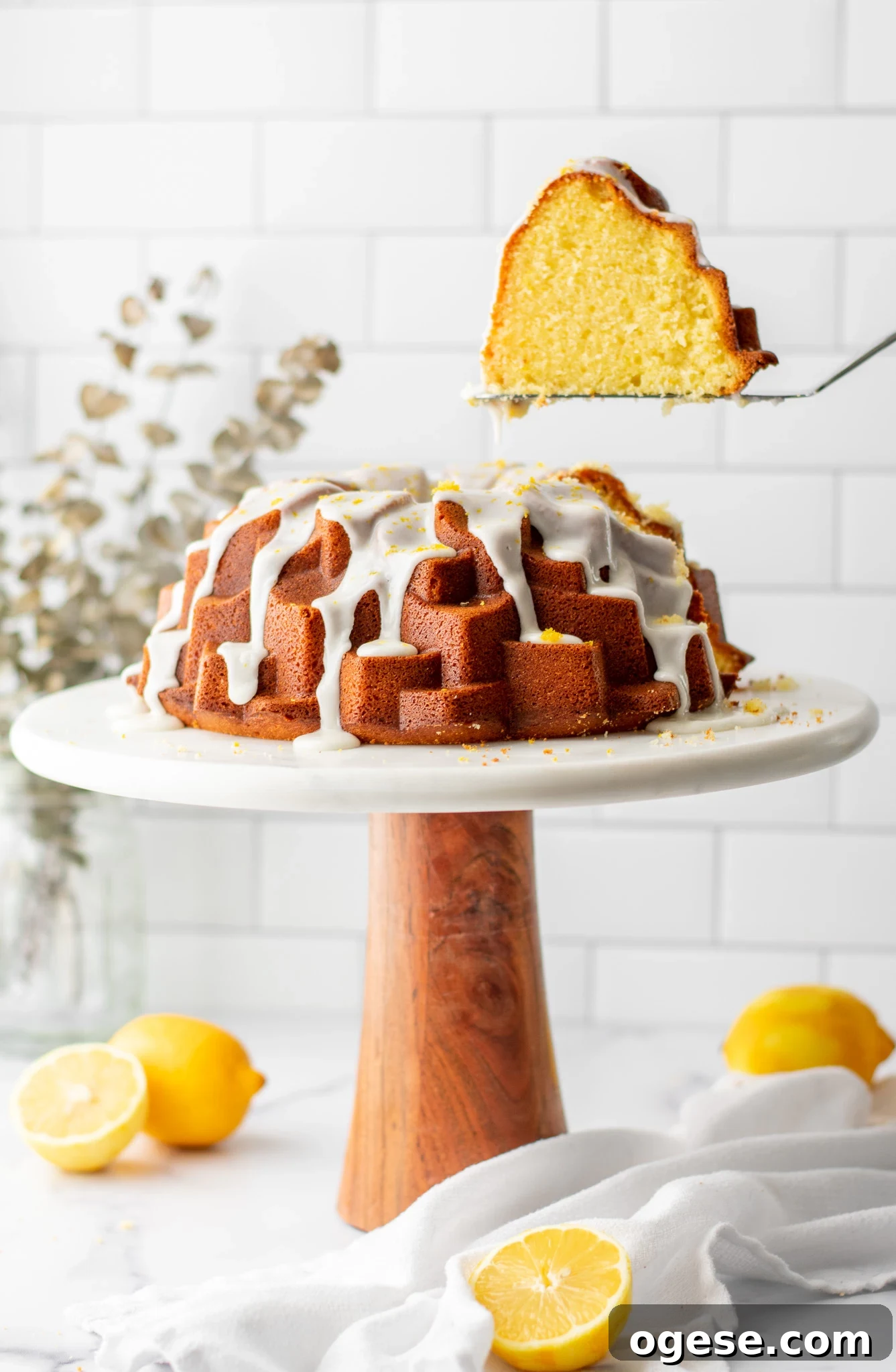
This lemon bundt cake is all about fresh, bright flavor. Lemon is a year-round favorite, and the combination of a soft, moist sponge with a zesty glaze makes this cake a perfect choice for Easter or spring entertaining. We recommend using a decorative tin to show off the shape — brush it thoroughly with vegetable oil or shortening so the cake releases cleanly.
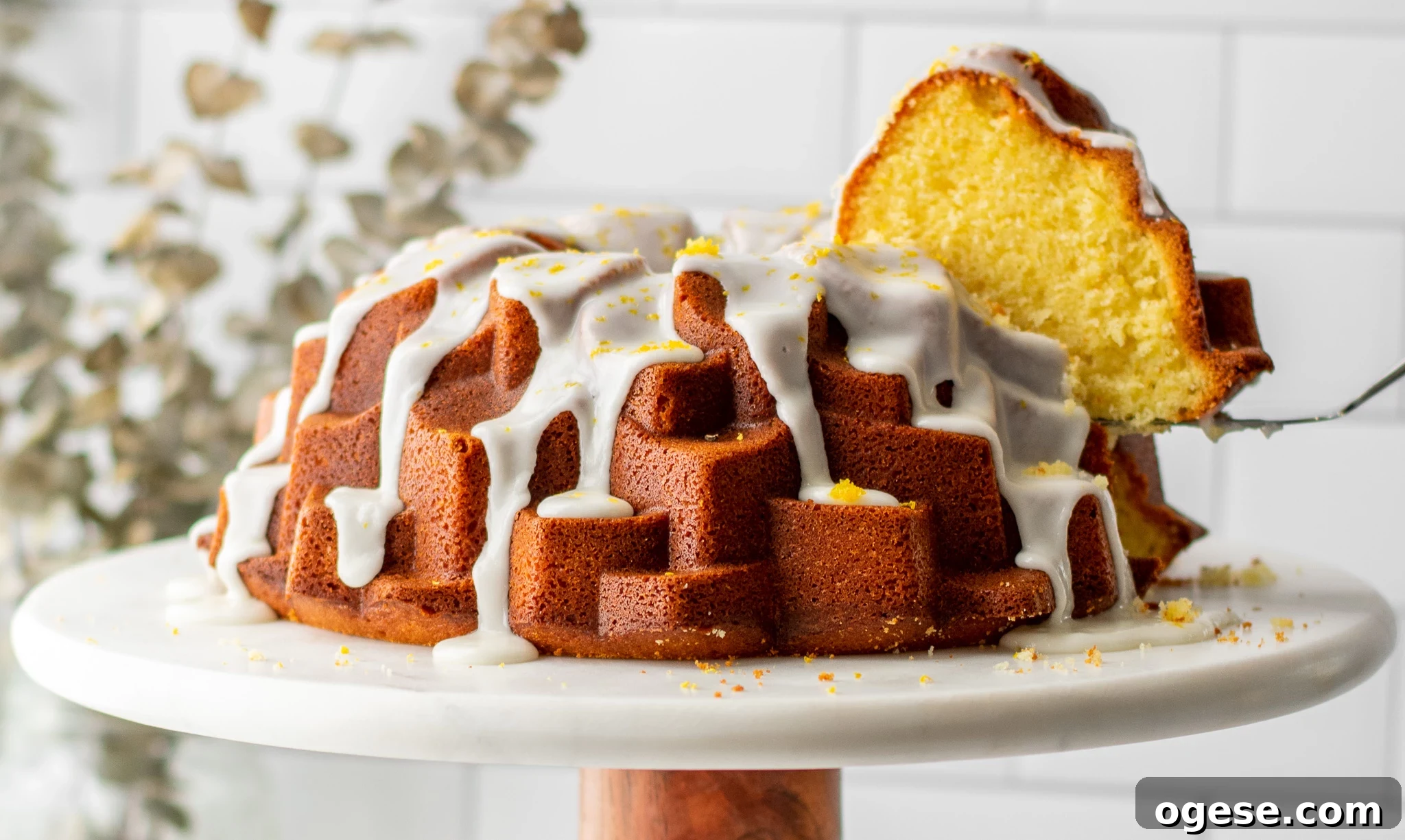
For decoration we keep things simple: a lemon icing and a sprinkle of lemon zest highlight the citrus notes. If you prefer, a cream cheese frosting is also delicious. For Easter, add pastel decorations or small chocolate eggs for a festive touch.
Ingredients you’ll need
You’ll need unsalted butter, granulated sugar, large eggs, baking powder, salt, all-purpose flour, vanilla extract, lemon zest, milk and lemon juice for the cake. If you use salted butter, reduce the added salt. Any milk will work, but whole milk gives the best texture; semi-skimmed is fine too.
The recipe adapts well to other citrus fruits — try orange or grapefruit if desired. For the glaze, you’ll only need powdered sugar and lemon juice, plus lemon zest for decoration. Alternatively, use candied lemon peel or slices for a pretty finish.

How to make our lemon bundt cake
This recipe was adapted from a classic vanilla bundt method and uses a technique that helps prevent batter splitting when adding many eggs. The key is to bring all ingredients to room temperature: take eggs and butter out of the fridge a few hours before baking, or place cold eggs in warm water for 10–15 minutes. Warm the milk briefly if needed, and ensure the butter is softened but not melted.
Begin by creaming the butter and sugar until light and fluffy. Meanwhile, whisk together the dry ingredients in a separate bowl. Thoroughly prepare your bundt pan with vegetable oil or shortening to avoid sticking.
Add three eggs to the creamed mixture, one at a time, mixing well after each addition. For the next three eggs, add each egg alternately with a few tablespoons of the flour mixture — this staged method helps keep the batter smooth. Then alternate adding the remaining dry ingredients with the milk and vanilla, mixing just until combined. Stir in lemon zest and lemon juice toward the end, then finish with the last portion of flour. The batter should be silky and pourable.
Spoon the batter into the prepared bundt pan and smooth the top. Bake on the center rack at 350°F (176°C) for about 40–50 minutes, covering with foil if the top browns too quickly. A tester inserted into the cake should come out clean.
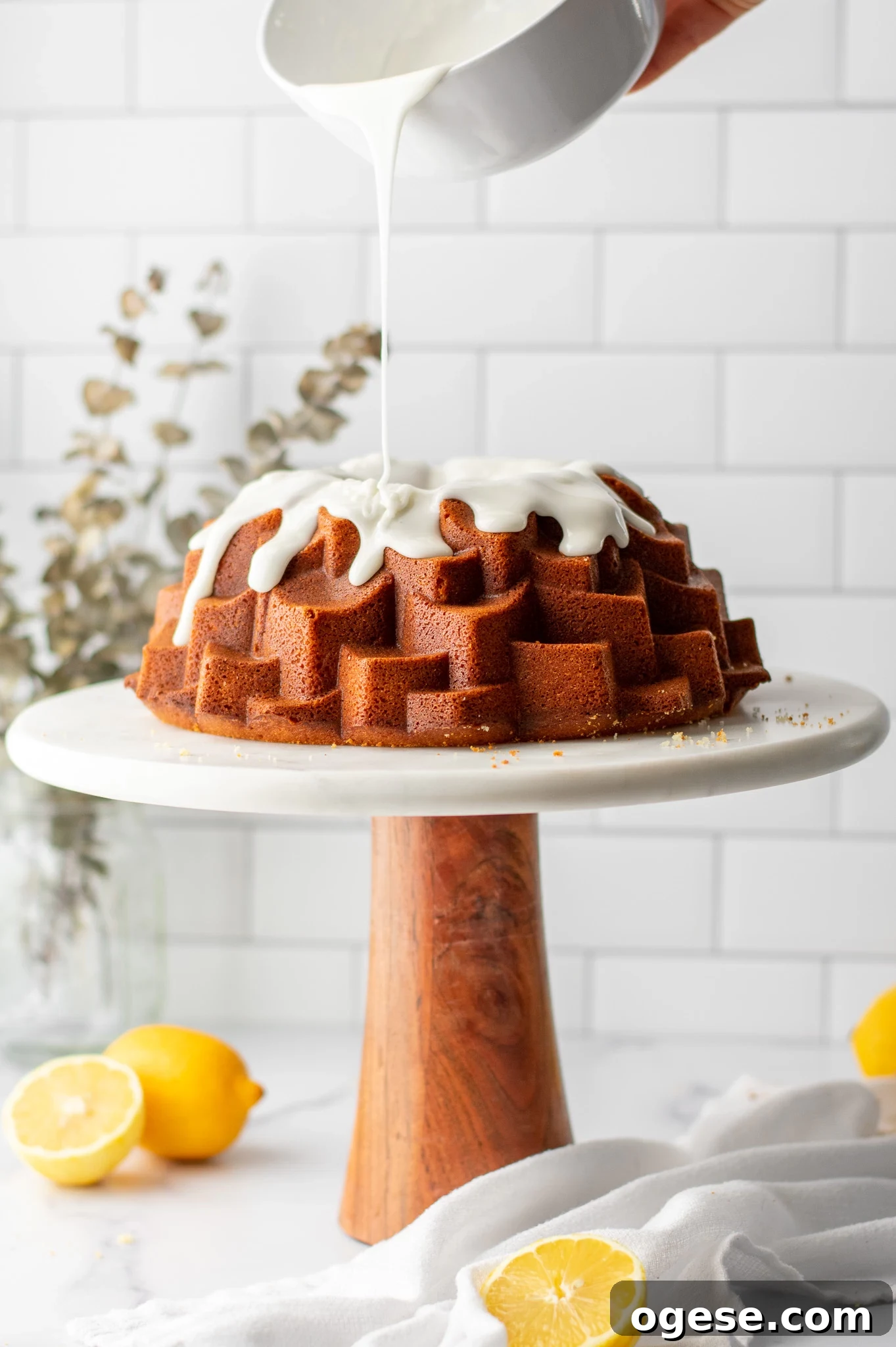
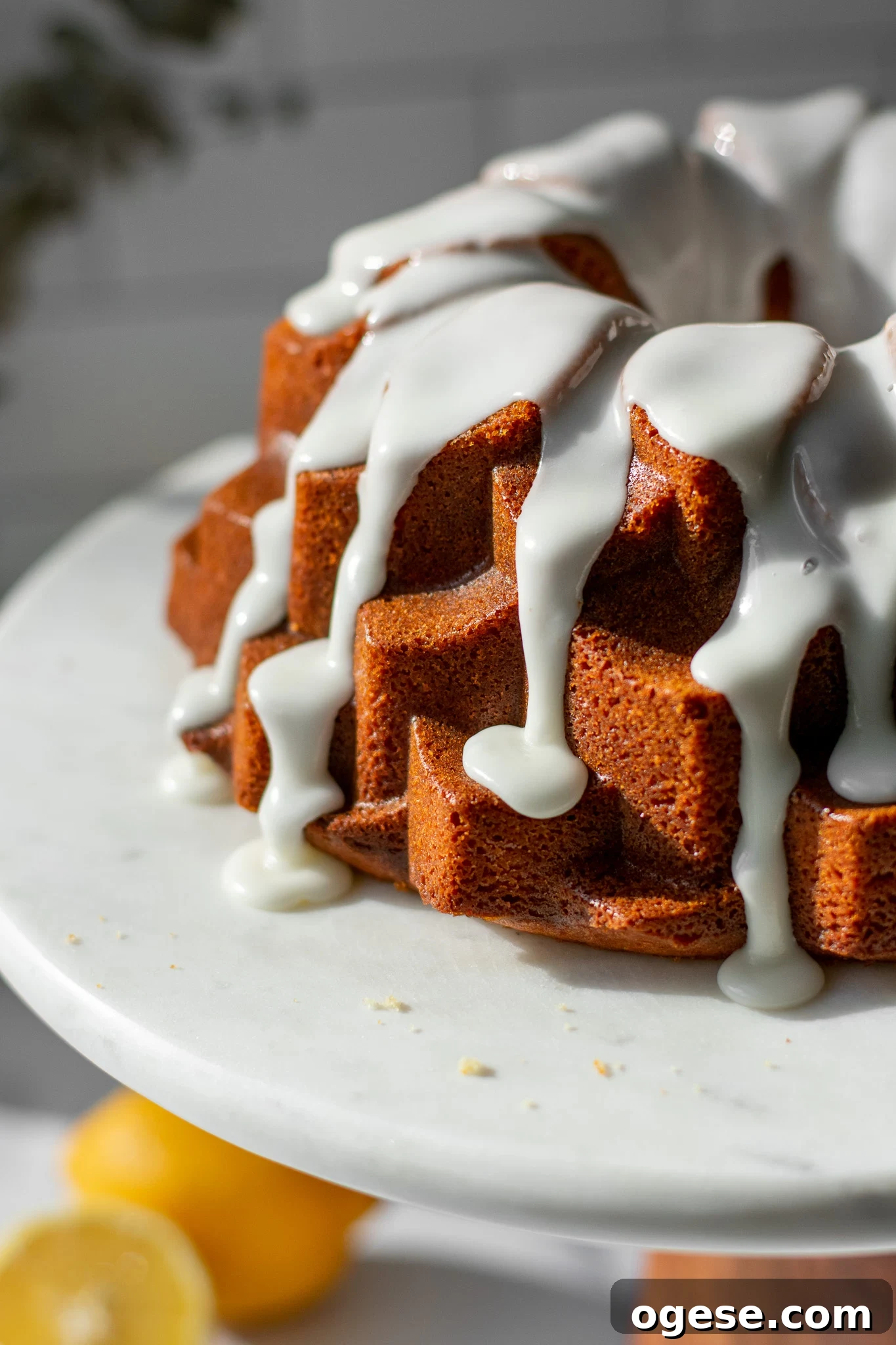
Let the cake cool in the pan for 15–20 minutes, then loosen the edges carefully and invert onto a cooling rack. Allow it to cool completely before glazing. Make a thick but pourable glaze by whisking powdered sugar with lemon juice, then spoon or pour it over the cake and finish with lemon zest or candied peel. Trim the base if needed so the cake sits flat on a serving plate.
Video
Påskekage (Easter Cake)
Ingredients
CAKE BATTER
- 340 grams unsalted butter, softened
- 300 grams granulated sugar
- 6 large eggs, room temperature
- 2 1/4 tsp baking powder
- 1 tsp salt
- 360 grams all-purpose flour
- 1 1/2 tsp vanilla extract
- ~2 tbsp lemon zest (from 3–4 small lemons or 2 large)
- 120 ml milk, room temperature (*heat briefly if needed)
- 60 ml lemon juice
ICING
- 113 grams powdered sugar
- Lemon juice (to reach desired consistency)
- Lemon zest for decoration (or candied lemon peel)
Instructions
- Ensure all ingredients are room temperature. Bring eggs and butter to room temp; warm cold eggs in warm water for 10–15 minutes if needed. Warm milk briefly if it’s very cold.
- Preheat the oven to 350°F (176°C).
- Cream softened butter and sugar in a stand mixer with the paddle attachment until light and fluffy, about 5 minutes. Scrape the bowl as needed.
- Whisk together flour, baking powder and salt in a separate bowl.
- Combine milk with vanilla. Measure the lemon juice and zest and set aside.
- Prepare a 10-cup bundt pan by coating thoroughly with vegetable oil or shortening.
- Add the first three eggs to the butter-sugar mixture one at a time, mixing fully after each.
- Before the 4th egg, add about 2 tablespoons of the flour mix and combine. Continue adding the 4th egg, then another 2 tbsp flour, then the 5th egg, more flour, and finally the 6th egg—mixing between additions.
- Add one-third of the remaining flour and mix until just combined. Add half the milk-vanilla mixture, mix, then another third of flour. Add the remaining milk, mix, then the final flour, mixing only until combined.
- Stir in lemon zest and lemon juice and mix until just combined. If the batter appears split, add flour a tablespoon at a time until it smooths.
- Transfer batter to the prepared bundt pan and smooth the top.
- Bake on the center rack for 40–50 minutes. If the cake browns too quickly, tent with foil. A tester should come out clean when the cake is done.
- Cool the cake in the pan for 15–20 minutes, loosen edges with a spatula and invert onto a cooling rack. If it’s stubborn, wait another 10 minutes and try again.
- When fully cool, whisk powdered sugar with lemon juice to form a thick but pourable glaze. Pour over the cake and garnish with lemon zest or candied peel. Trim the base if necessary so the cake sits flat.