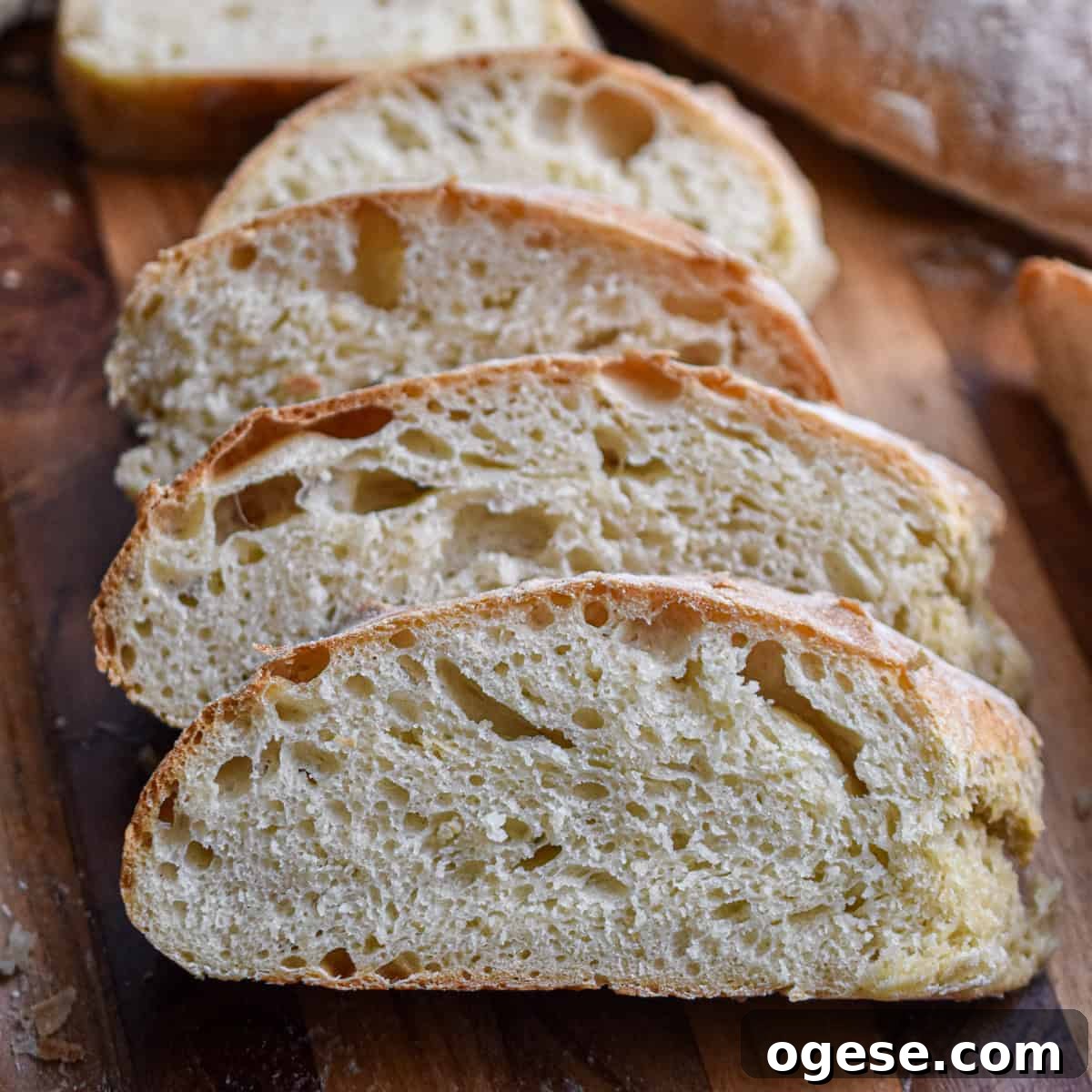
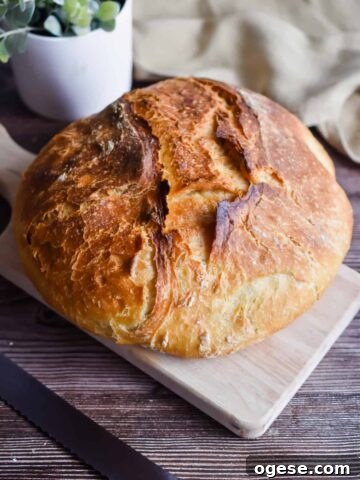
If you’ve ever wanted to bake crusty, chewy ciabatta at home, this recipe will get you there. This homemade ciabatta is light and airy, with a deep golden crust and an open, pillowy crumb that’s perfect for sandwiches, dipping in olive oil, or serving alongside soups and pasta.
I’ve been baking bread for years, and this method produces bakery-quality loaves without being intimidating. The secret is working with the high-hydration, sticky dough and using gentle stretch-and-folds to develop gluten and trap air—no intensive kneading required.
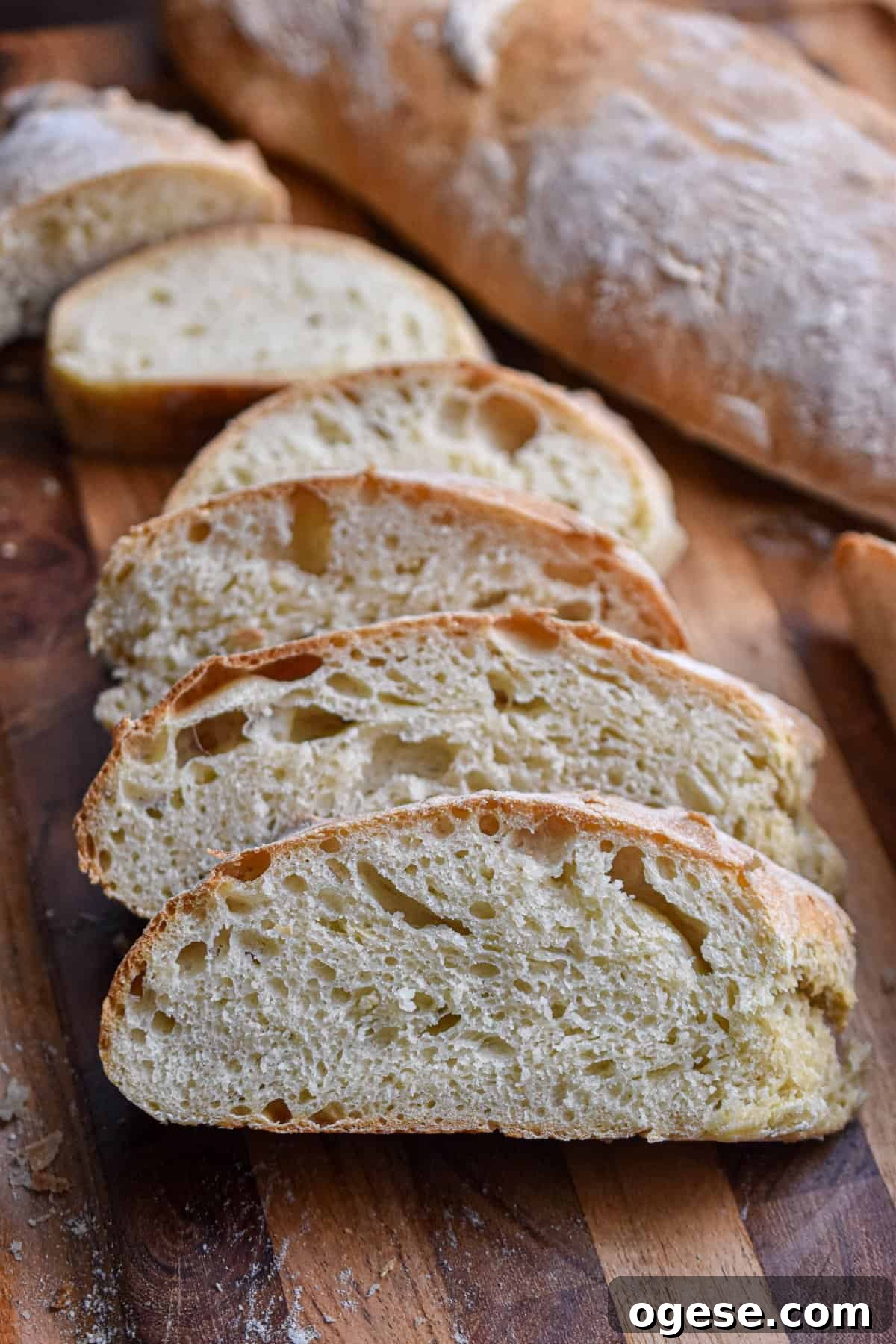
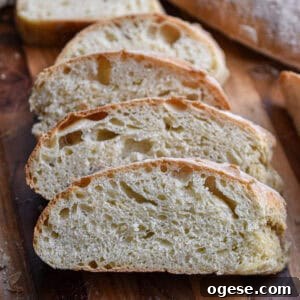
This is an artisan-style ciabatta: crisp on the outside, soft and chewy inside, with large irregular holes that give it great texture. I first started making ciabatta inspired by a Paul Hollywood recipe and quickly made it a regular in our kitchen. I’ve tested this loaf in many ovens, on baking stones, and with small steam tricks like adding ice cubes to a hot pan—each time the results are consistently excellent.
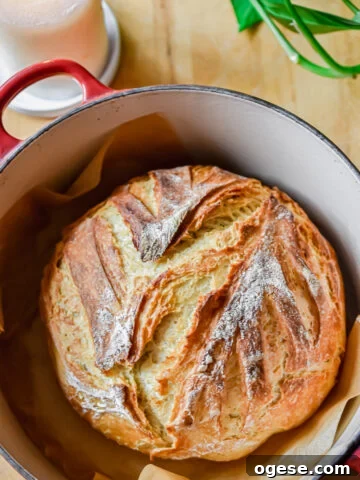
When the bread comes out of the oven the crust crackles and browns beautifully while the interior remains tender and full of air pockets. Serve warm with butter, dip in olive oil and herbs, or use for toasted sandwiches—everyone loves it.
What Is Ciabatta Bread?
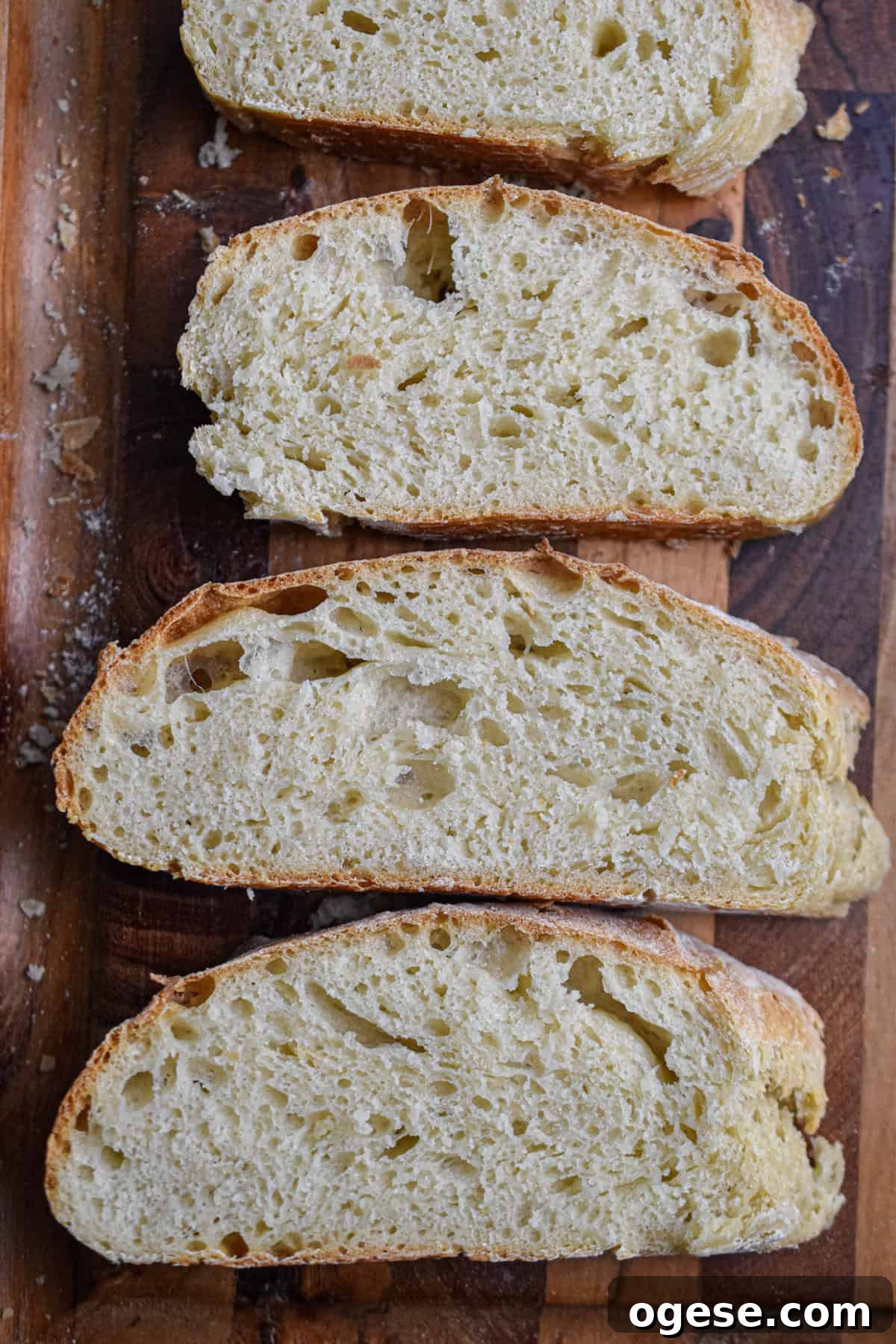
Ciabatta means “slipper” in Italian, a nod to the loaf’s long, slightly flat shape. It’s defined by a thin, crunchy crust, mild flavor, and an open crumb with large, irregular holes. Ciabatta dough has higher hydration than many other breads, which creates the chewy interior and airy texture that make this bread so appealing.
Why You’ll Love This Ciabatta Recipe
This ciabatta is ideal for sandwiches and paninis, and it also pairs well with stews, soups, and salads. It toasts beautifully, makes excellent garlic bread, and is easy enough to prepare on a weekend. Once you taste freshly baked ciabatta, store-bought versions will likely be a thing of the past.
Ingredients to Gather
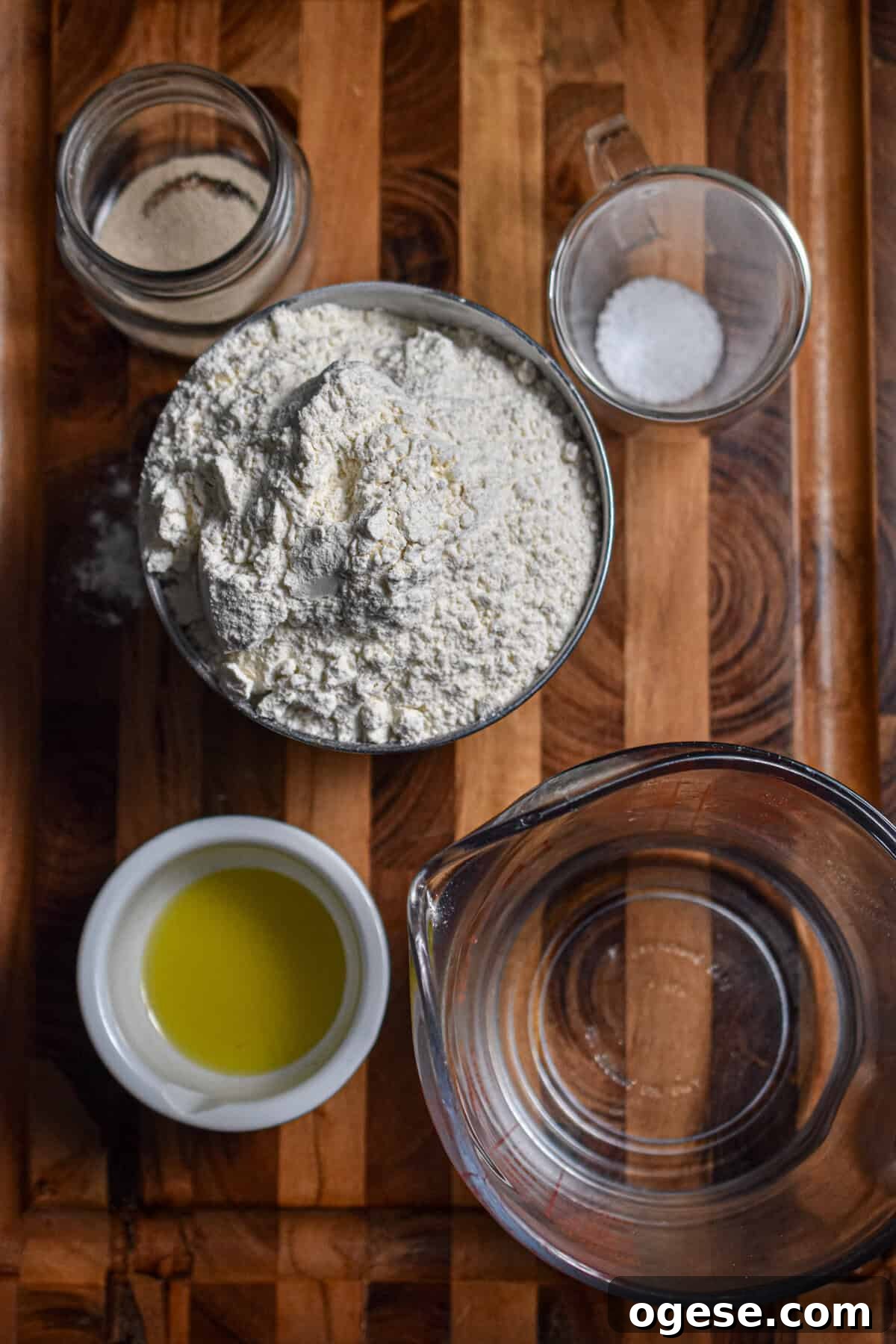
Simple ingredients are all you need for authentic artisan ciabatta:
- 4 cups (480 g) all-purpose flour (or bread flour)
- 1 ½ teaspoons salt
- 1 teaspoon instant yeast (or active dry yeast)
- 2 cups warm water (room temperature is fine—avoid very hot water that can kill the yeast)
- 1 tablespoon olive oil (optional, adds flavor)
Five basic ingredients yield two beautiful ciabatta loaves with a crisp crust and tender interior.
See the recipe card below for full quantities, timings, and notes.
What makes ciabatta bread different from other breads?
Ciabatta stands out for its wet, sticky dough, thin crispy crust, and very open crumb. Many versions use a preferment (biga or poolish) to deepen flavor and improve texture, but even a straightforward high-hydration ciabatta will produce the characteristic chew and holes that make this bread so enjoyable.
How to Make Ciabatta Bread
Step 1
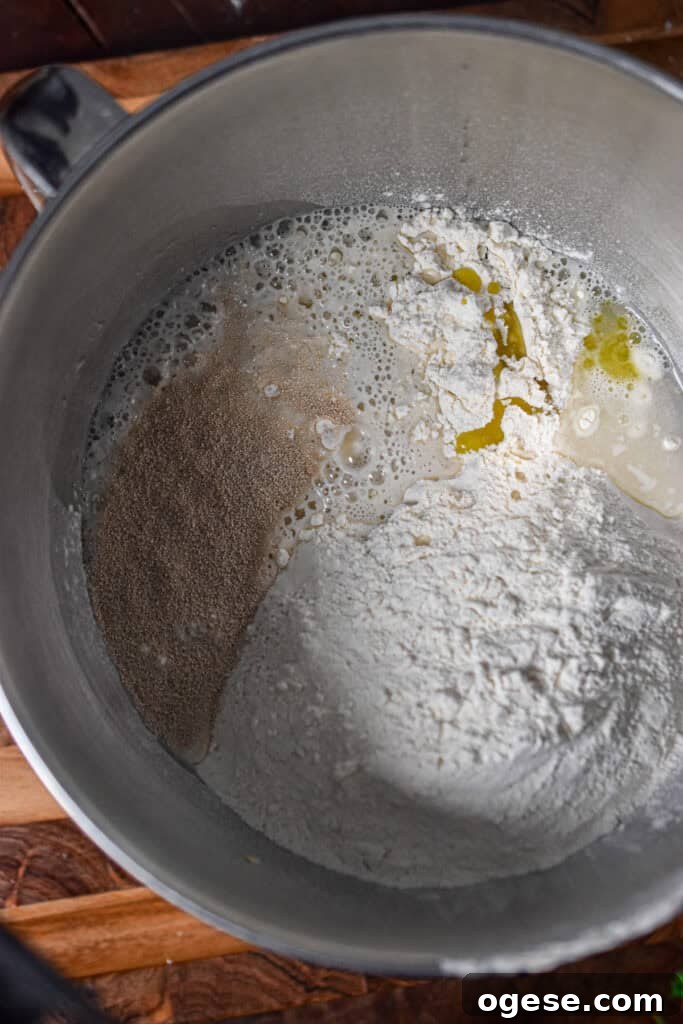
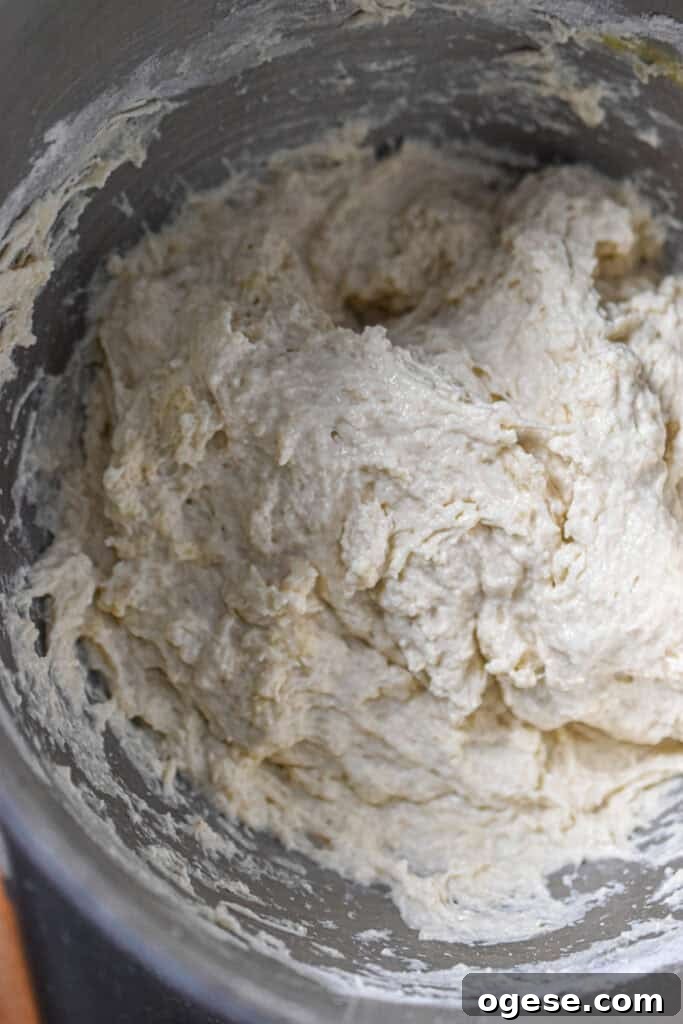
In a large bowl or a stand mixer fitted with a dough hook, combine the flour, salt, yeast, olive oil (if using), and warm water. Mix on low to medium speed until the dough comes together. Expect a sticky, tacky dough—that’s normal for ciabatta.
Step 2
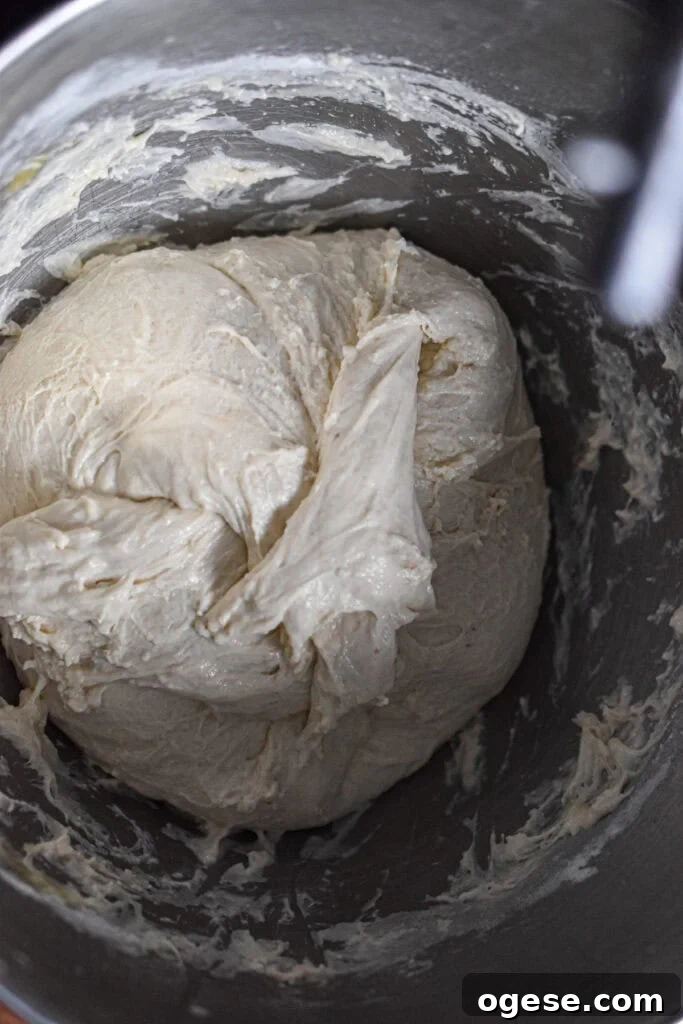
Cover the bowl with plastic wrap or a towel and let it rest at room temperature for 30 minutes. This brief rest allows the yeast to begin activating and makes the dough easier to handle.
Step 3
Every 30 minutes for the next two hours, use wet hands to lift and fold the dough over itself four times, like folding a letter. These stretch-and-folds build strength and structure while preserving the air pockets.
Step 4
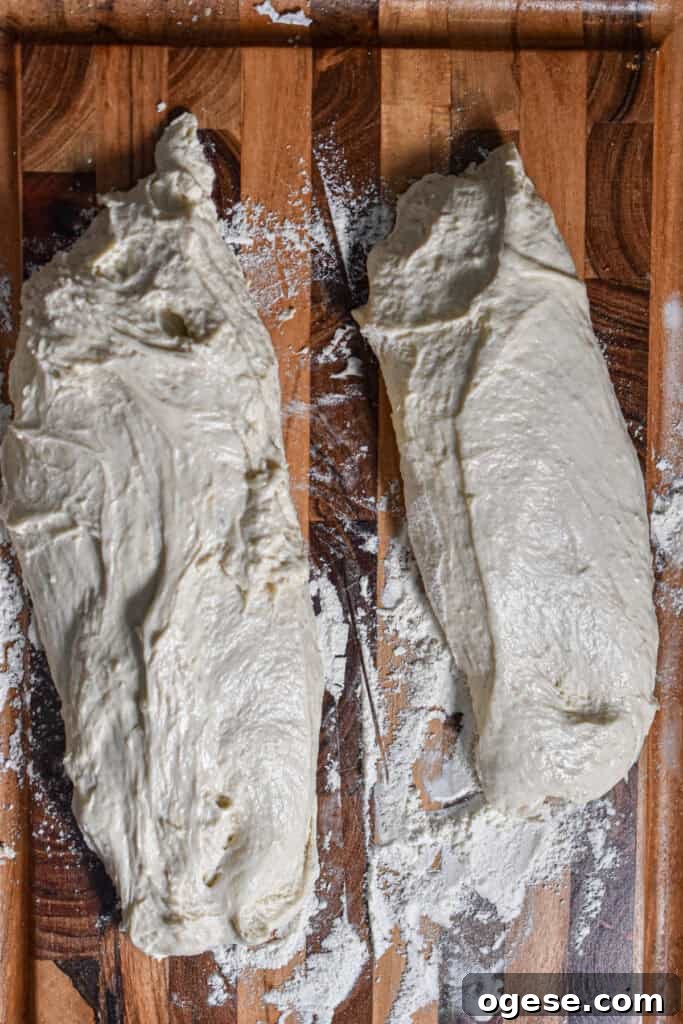
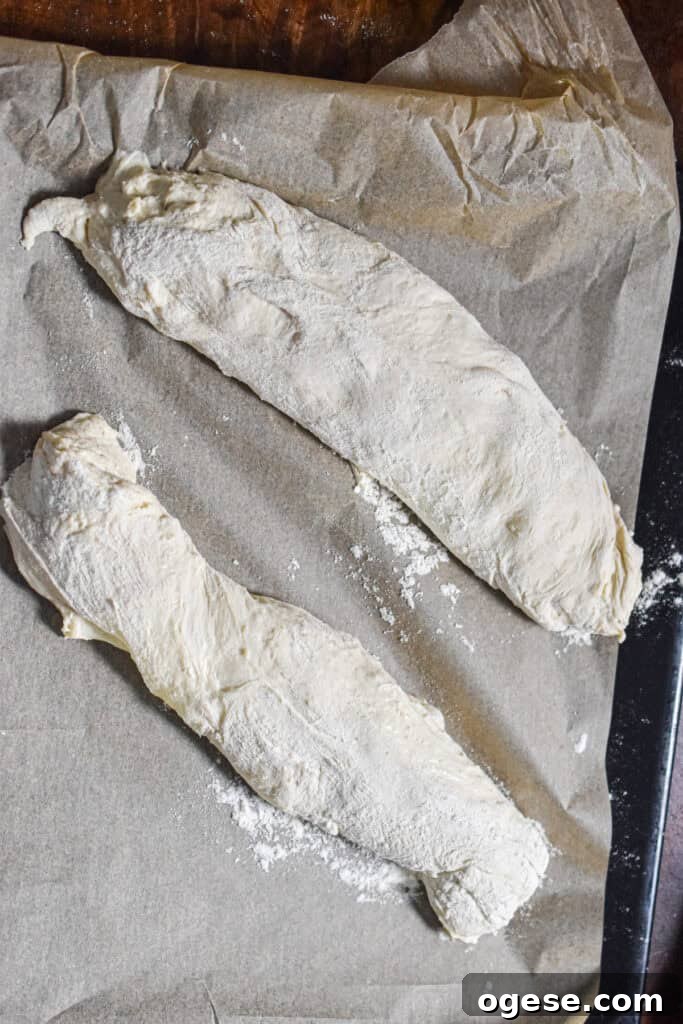
After the final fold, transfer the dough to a well-floured surface. Use a bench scraper or a knife to divide it into two equal portions. Gently shape each portion into a rectangle, taking care not to deflate the bubbles, and place each loaf on a piece of parchment set over a baking sheet or stone.
Step 5
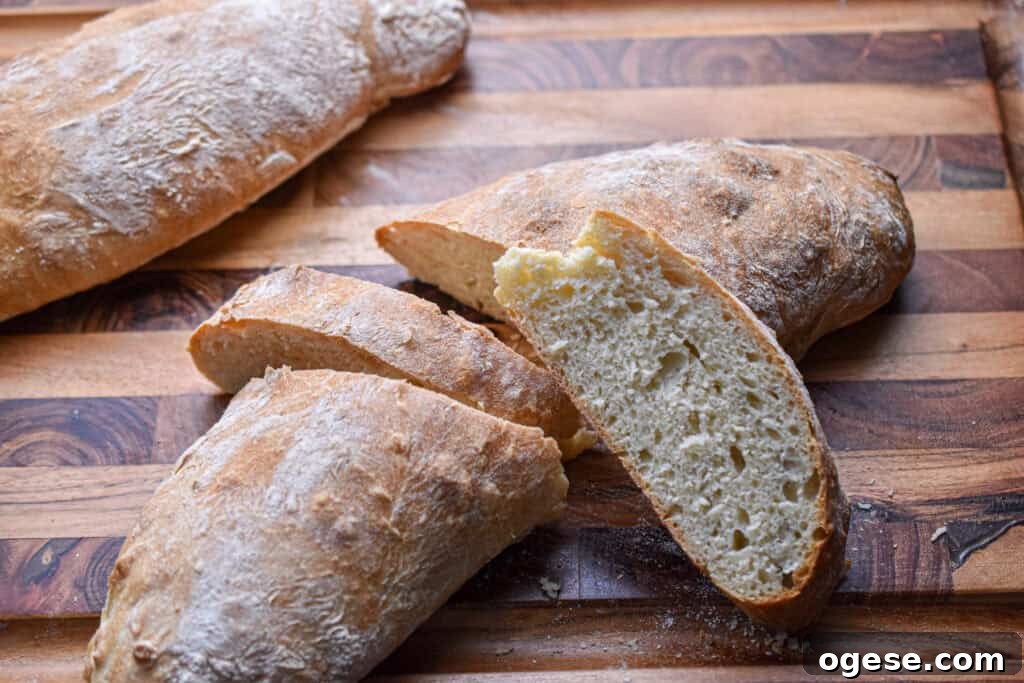
Cover the loaves lightly and let them rise at room temperature for about 30–45 minutes, until slightly puffy. Meanwhile preheat the oven to 425°F and place a shallow pan on the bottom rack. Just before baking, add a few ice cubes to the hot pan to create steam, then slide the loaves (on the parchment) onto the middle rack or baking stone. Bake 20–25 minutes until the crust is deep golden and crisp.
Step 6
Transfer the baked ciabatta to a wire rack and let it cool completely before slicing so the crumb finishes setting. Slicing too soon can compress the interior.
Tips for Making Homemade Ciabatta Bread
- Embrace the sticky dough. High hydration is what creates the open crumb—work with damp hands or use a bench scraper to handle it.
- Stretch-and-folds replace kneading. These gentle folds build gluten without deflating the dough’s air pockets.
- Use parchment for easy transfer. It prevents sticking and makes sliding loaves into the oven simple.
- Create steam for a crisp crust. Toss a few ice cubes into a preheated pan on the oven bottom, or use another steam method to encourage good oven spring and a golden crust.
How to Enjoy Your Fresh Artisan Ciabatta
Ciabatta is delicious simply dipped in olive oil or used for hearty sandwiches and paninis. It pairs well with pesto, roasted vegetables, soups, and stews. To make rolls, divide the dough into 4 larger pieces or 6 smaller pieces before shaping.
Storing a Ciabatta Loaf
Once completely cool, wrap the loaf in foil or place it in an airtight container. At room temperature it will stay fresh for 2–3 days; refresh the crust by warming the loaf in the oven for a few minutes.
To Freeze Homemade Ciabatta
To freeze, cool loaves fully, wrap tightly in plastic wrap and foil, and freeze up to three months. Thaw at room temperature and reheat in the oven to restore crust crispness.
Frequently Asked Questions
Sticky dough is expected—high hydration creates the open crumb and airy texture. Handle gently, use wet hands or a bench scraper, and avoid adding too much extra flour.
The loaf is done when it is deeply golden and sounds hollow when tapped on the bottom. An internal temperature of about 200–210°F indicates doneness. Cool completely before slicing.
Yes. A stand mixer speeds things up, but you can mix and fold by hand; expect a bit more arm work during the stretch-and-fold steps.
More Bread Recipes
-
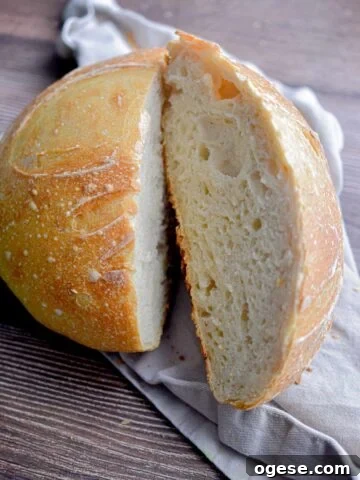
Same Day Sourdough Bread Recipe
-
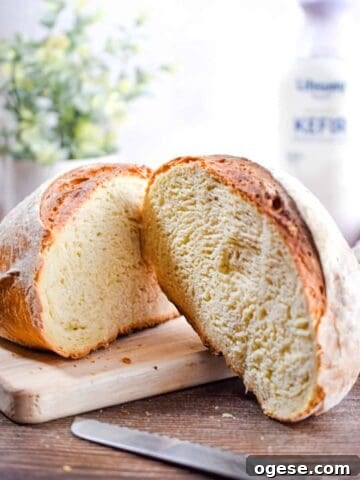
Rustic Kefir Bread
-
Instant Pot Bread (No Knead!)
-
Sourdough Discard Bread (No-Knead!)
Did you make this recipe and love it?
If you did, leave a five-star review and share a photo in the comments. Tag your creation on social media with the recipe author’s handle or hashtag to show what you made.
📖 Recipe
Ciabatta Loaf
Equipment
- Stand mixer (optional)
- Kitchen scale (helpful for accuracy)
- Parchment paper
- Baking sheet or baking stone
Ingredients
- 4 cups all-purpose flour (or bread flour)
- 1 ½ teaspoons salt
- 1 teaspoon instant yeast (or active dry yeast)
- 2 cups warm water
- 1 tablespoon olive oil (optional)
Instructions
- In a large bowl or stand mixer with a dough hook, combine the flour, salt, yeast, olive oil, and warm water. Mix on low to medium speed until the dough comes together. It will be sticky—this is normal.
- Cover the bowl and let the dough rest at room temperature for 30 minutes to allow the yeast to activate.
- Every 30 minutes for the next 2 hours, perform a set of four stretch-and-folds using wet hands to lift and fold the dough over itself. This builds gluten and preserves air pockets.
- After the final fold, transfer the dough to a floured surface. Divide into two equal pieces with a bench scraper or knife.
- Gently shape each piece into a rectangle without deflating the bubbles. Place loaves on parchment over a baking sheet or stone.
- Cover lightly and let rise 30–45 minutes until slightly puffy. Preheat oven to 425°F with a pan on the bottom rack. Add a few ice cubes to the pan at bake time to create steam. Slide loaves onto the middle rack and bake 20–25 minutes until golden and crisp.
- Cool completely on a wire rack before slicing to allow the crumb to set.
Notes
- Damp hands make mixing and folding easier with sticky dough.
- Stretch-and-fold steps are essential for building structure and creating large air pockets.
- When shaping, avoid pressing out the bubbles to keep an open crumb.
- Use steam in the oven to encourage a crisp, golden crust.
- You can refrigerate the dough after the final fold for up to 24 hours; bring it to room temperature before shaping and baking.