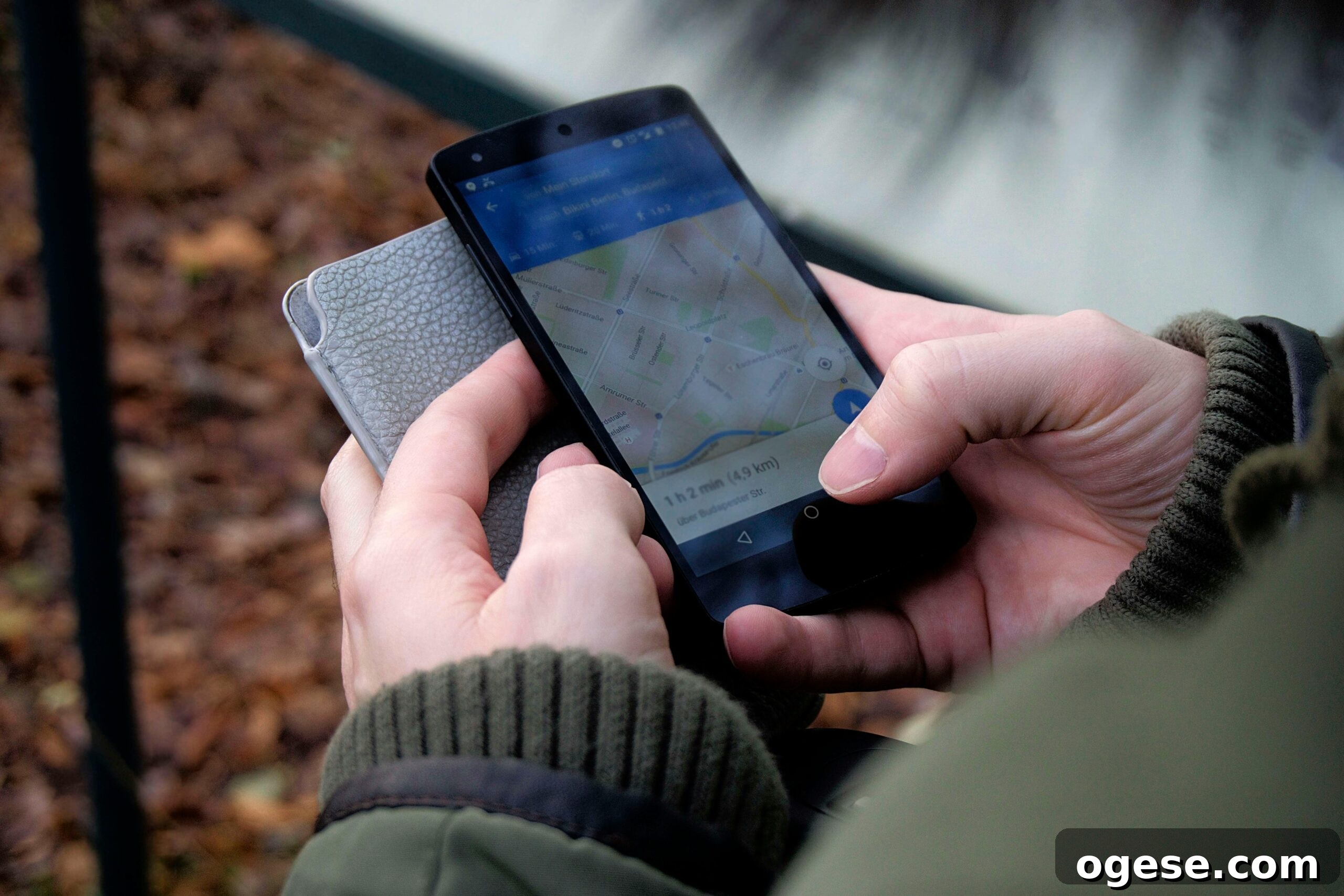
In today’s busy world, many parents rely on GPS location apps to keep track of their children’s whereabouts. These tools provide real-time updates that create a digital safety net, helping families balance freedom and security. Using a family location tracking app can give parents peace of mind by confirming that kids are where they should be and by alerting caregivers to unusual activity.
Most family tracking apps include customizable settings such as safe zones and notifications that trigger when a child enters or leaves a predefined area. Those features let parents focus on daily tasks without worrying constantly about a child’s safety. Many apps also provide social mapping or instant location updates to show a child’s current position.
Privacy protections are increasingly common in well-designed apps, reassuring families that location data is handled responsibly. These protections, combined with clear communication within the family, help children explore their surroundings while staying connected to parents. As the technology continues to improve, its usefulness as a practical and reassuring tool grows.
Understanding GPS Tracking in Parental Monitoring
GPS tracking helps parents monitor where their children are by using satellite-based positioning to deliver ongoing location updates. This capability strengthens child safety and improves family communication when used thoughtfully. Below are the basics, benefits, and privacy considerations of parental tracking.
The Basics of GPS and Location Tracking
GPS relies on a network of satellites that send signals to devices, allowing apps to calculate precise positions. Location-tracking apps use those signals to display a child’s current location and to compile location history, giving parents a clear picture of movements throughout the day. Real-time tracking keeps families informed about where their children are at any given moment.
Benefits of Using GPS Trackers for Child Safety
GPS trackers reduce parental anxiety by offering clear, timely information about a child’s location. Useful features include geofencing—alerts when a child leaves or arrives at places like home, school, or a friend’s house—and SOS buttons that let a child call for help quickly. These capabilities help parents respond faster to potentially risky situations.
Privacy Concerns and Open Communication
Despite the advantages, tracking raises valid privacy concerns. Families should talk openly about why and how tracking will be used to maintain trust. Setting expectations—what is tracked, who can see the data, and when tracking is turned on—helps balance safety with respect for a child’s independence.
Top GPS Location Apps for Effective Parental Monitoring
Parents seeking reliable monitoring can choose apps that offer real-time tracking, geofencing, panic buttons, crash detection, and other safety features. The best apps combine practical tools with clear privacy options and easy-to-use family settings.
Features and Functions of Leading GPS Apps
Leading apps deliver continuous location updates and history, geofencing to create trusted areas, and instant alerts when boundaries are crossed. Emergency features such as panic buttons and crash detection add an extra layer of protection, notifying parents when a child needs help.
How to Integrate Location Apps with Family Safety
Integration goes beyond installing software. Parents should discuss app use with children, explain the safety benefits, and agree on boundaries. Use geofencing and scheduled location sharing to set clear expectations. Group messaging and family check-ins can complement tracking, making the app part of a broader safety routine. Pairing tracking tools with parental-control features helps manage online risk and reduce exposure to harmful content.
Improving Child Mental Health and Cybersecurity
By lowering parental worry, location tracking can indirectly support a child’s mental well-being and allow age-appropriate independence. Many apps also include safeguards against cyber threats, monitor app usage, and alert parents to suspicious messages or behavior. Those protections can help prevent cyberbullying and reduce stress linked to online interactions.
Conclusion
GPS location apps provide practical benefits for parents who want to stay informed about their children’s whereabouts. Real-time tracking and geofencing offer reassurance when kids go to new places or are away from home, while emergency features like SOS buttons give children a quick way to call for help. These tools can reduce parental anxiety and let children gain independence within safe limits.
At the same time, families should weigh these advantages against the importance of privacy and trust. Open communication about how tracking is used and mutual agreement on boundaries will help preserve healthy parent-child relationships. When used thoughtfully, GPS location apps can enhance family communication, safety, and peace of mind.
Parental Support in Academic Writing: Inspiring College Students Without Overstepping
How to Safeguard Your Weekend Drive From Distracted Drivers