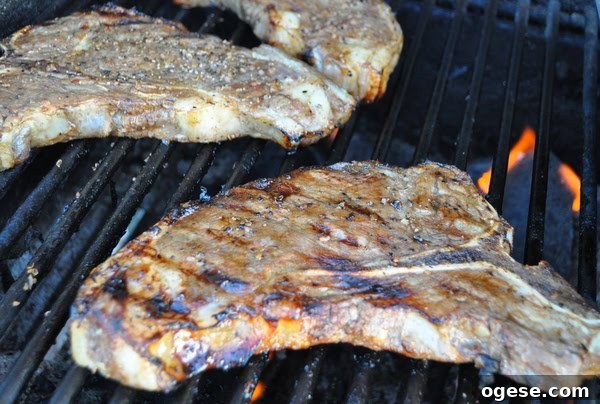
If you’re spending good money on steaks, make every step count. Here are practical tips to help you choose, prepare, and grill steak for the best results.
Pick the right steak
The meat counter can be overwhelming with many cuts on display. When you plan to grill, don’t simply shop by price. Flank and skirt steaks have become popular, but they aren’t always the best choices for grilling. Those cuts come from the animal’s outer muscles and are leaner and tougher. For the most tender, flavorful steaks, look to cuts from the middle of the animal: ribeye, New York strip, T-bone, or porterhouse. Bone-in steaks often deliver more flavor because the bone helps enhance taste while cooking.
Pay attention to the grade as well. U.S. beef quality grades indicate marbling and fat content: Prime is the highest, followed by Choice, Select, and Standard. More marbling usually means more flavor and juiciness. Ideally, choose Choice or Prime when available. Select steaks are leaner and may benefit from a marinade to improve tenderness and flavor. Look for small flecks of fat within the muscle rather than just surface fat.
Thickness matters, too. If you prefer no pink in the center, thinner steaks under 1 inch work fine. If you enjoy medium-rare, choose steaks thicker than 1 inch so you can sear the outside while achieving the desired doneness inside.
Prepping the steak for the grill
Bring steaks to near room temperature before grilling. For a 1-inch steak, remove from the refrigerator about an hour before cooking. For steaks around 3/4 inch, 45 minutes is sufficient; for steaks 1 1/4 inches thick, allow about an hour and 15 minutes. This helps the steak cook more evenly.
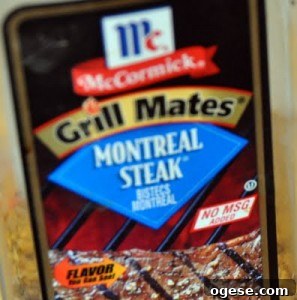
If you bought a Choice or Prime steak, you usually don’t need a marinade—good seasoning is enough. For Select-grade steaks, a marinade can help add flavor and tenderize. Simple seasonings work well: coarse salt and freshly ground black pepper are classic, or use a robust steak seasoning if you prefer. A popular option many cooks like is Montreal Steak Seasoning.
Grill time
High heat is essential. A very hot grill sears the steak quickly, forming a flavorful crust that helps lock in juices. Moderate flare-ups are fine, but avoid large flames that char the exterior excessively. Resist the urge to flip the steak repeatedly; for the best sear and even cooking, flip it only once.
How to tell when your steak is done
Using a meat thermometer is accurate but pierces the steak and releases juices. An alternative is the “palm test,” which gauges doneness by feel. Relax your hand and press the fleshy area below the thumb to feel the softness—this is similar to raw meat. Then, touch different fingers to your thumb to compare tension: the closer the finger to the thumb, the firmer the sensation and the more cooked the steak will be. Practice with this method and with a thermometer at first so you get a reliable sense of doneness by touch.

Let it rest
After removing steak from the grill, let it rest for several minutes before slicing. Resting allows juices to redistribute back into the meat; cut too soon and those juices will run onto the plate. Place the steak on a rack or a warm platter so it cools evenly and doesn’t continue cooking too much from retained heat.
Try these tips on your next grill session and you’ll notice better flavor, juiciness, and overall results. For more cooking tips and farm-related food ideas, explore other posts in the 30 Days on the Prairie Farm Series.