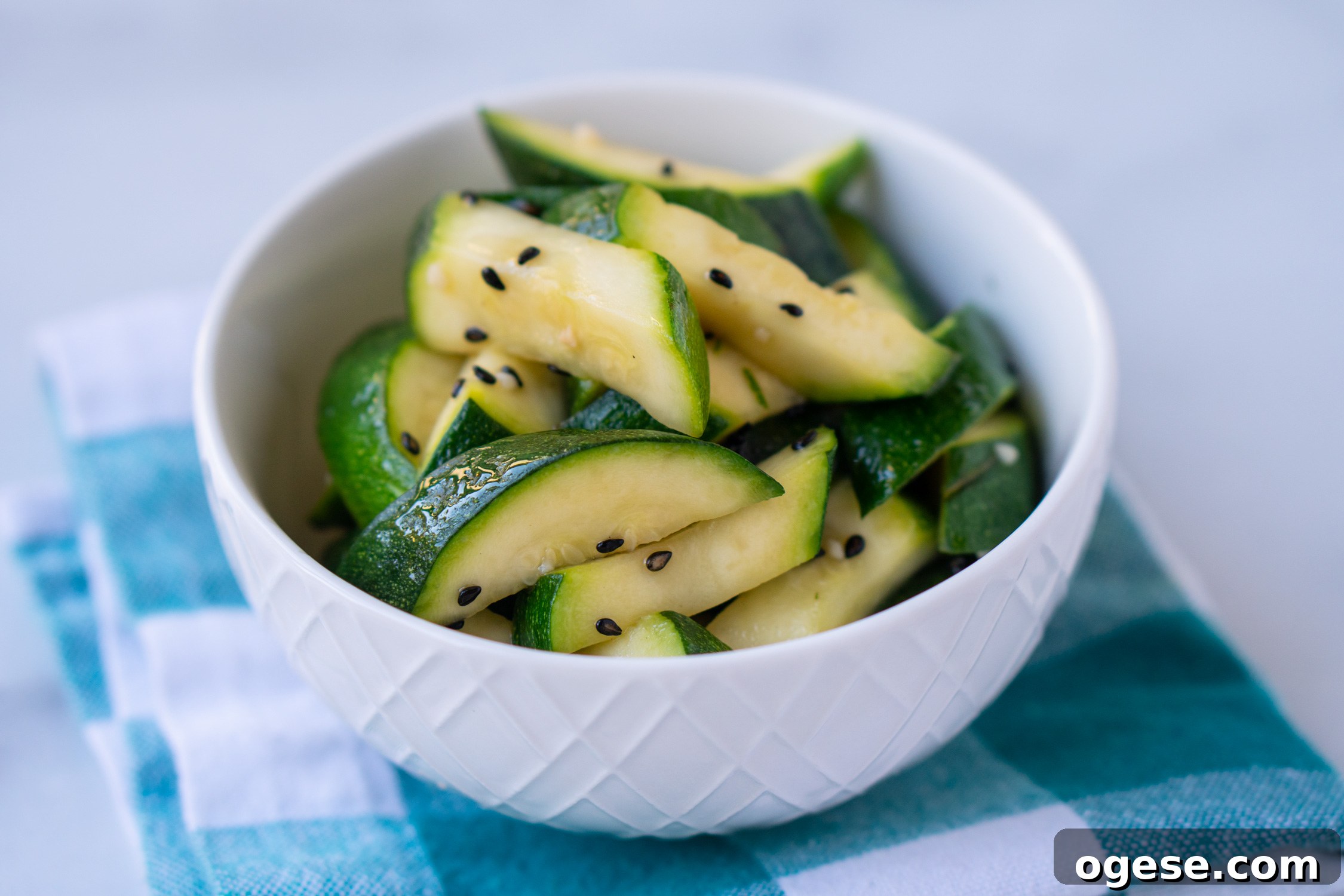
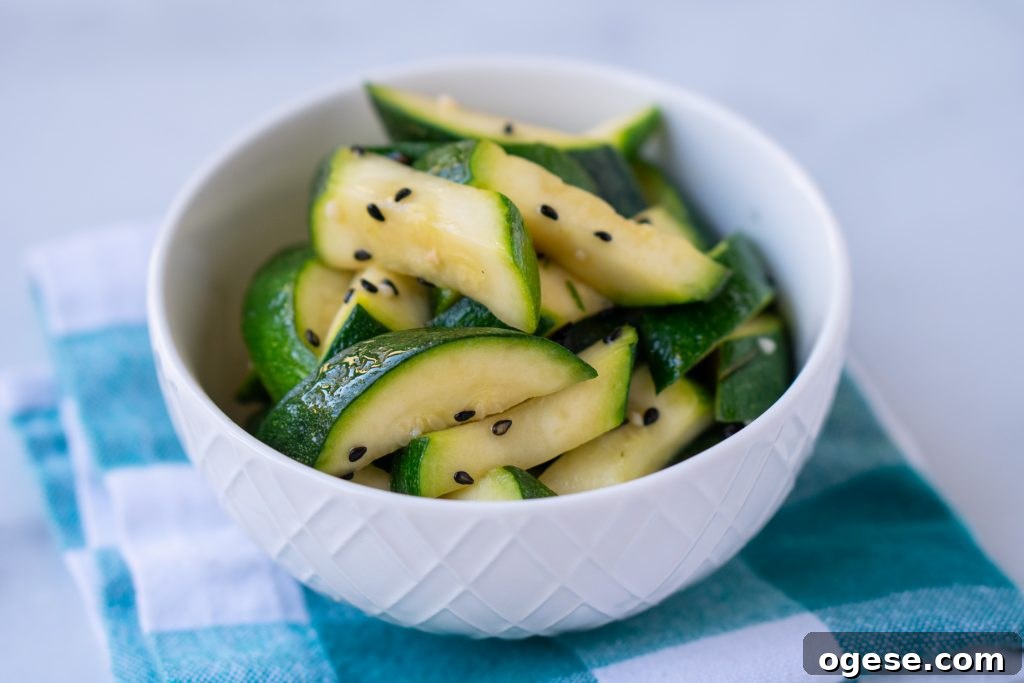
Give this a try before deciding you dislike zucchini. Korean-style stir-fried zucchini is one of my favorite vegetable banchan (side dishes). It pairs beautifully with bibimbap but is also satisfying on its own. A bowl of steamed rice and this simple side is all I need. My youngest, who had been avoiding zucchini for a while, happily ate this, so it’s worth a try with picky eaters.
Traditionally, this recipe uses Korean squash, which resembles zucchini and is sometimes sold wrapped in plastic at Asian markets. Korean squash tends to be slightly sweeter than regular zucchini, but either can be used interchangeably in this preparation without sacrificing the characteristic flavor and texture.
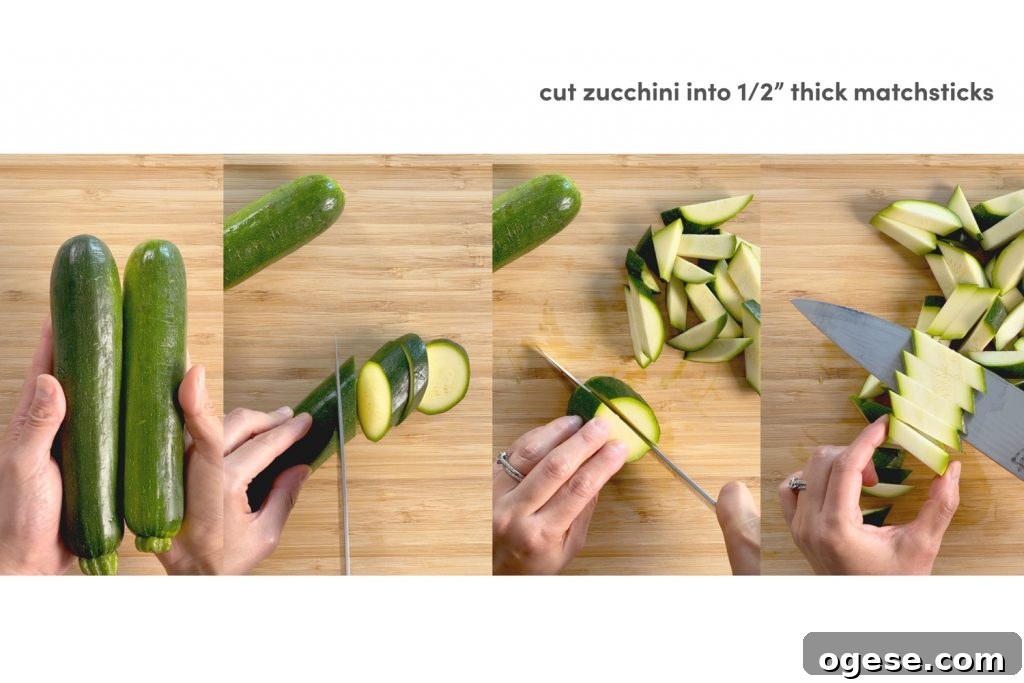
For the best texture and flavor, cut the zucchini into 1/2″ matchsticks. Thinner slices will overcook and become mushy during stir-frying. Some cooks prefer half-moon slices, but matchsticks offer more surface area to absorb seasoning and give a more pleasant bite.
Salt zucchini to pull out water
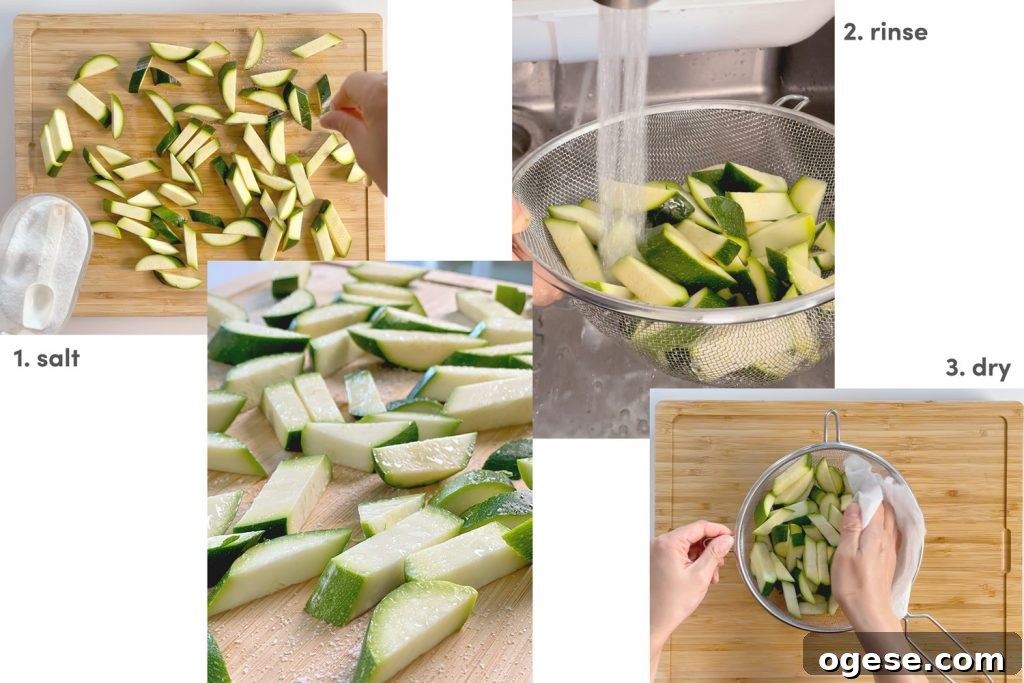
Lay the matchsticks out on a cutting board and sprinkle evenly with salt. Let them rest for about 10 minutes to draw out excess moisture. This step prevents the zucchini from turning to mush during cooking and helps preserve a slightly chewy texture that is a highlight of the dish. After salting, place the zucchini in a colander and rinse with cold water to remove the excess salt, then pat dry with paper towels so they don’t steam in the pan.
Season with fish sauce
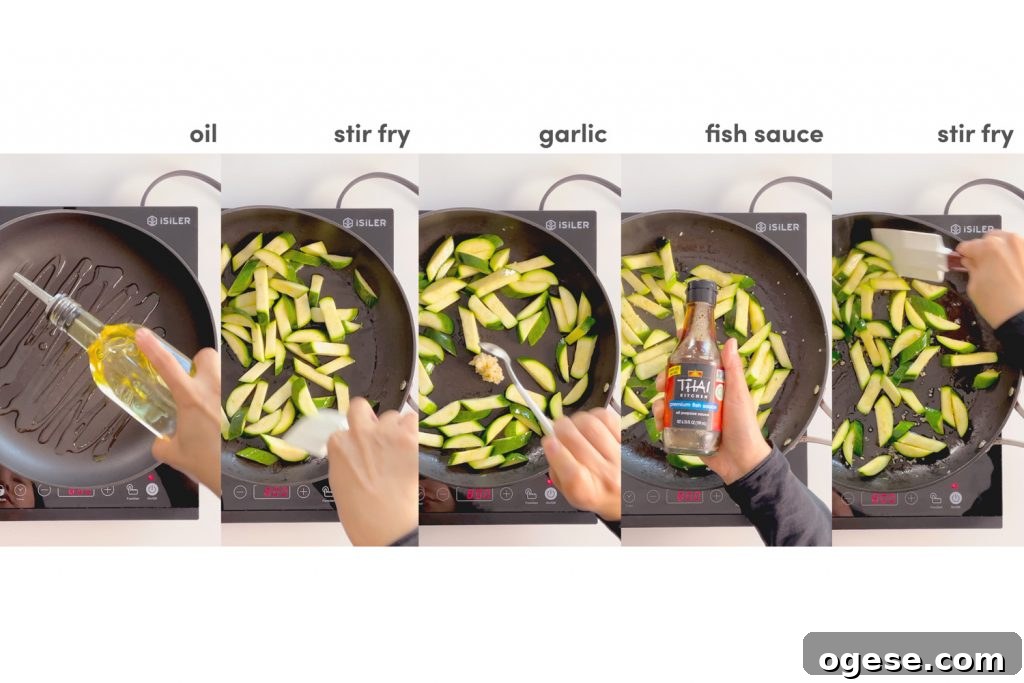
Korean stir-fried zucchini is often flavored with tiny salted shrimp, but when those are not available, a few drops of fish sauce provide a similar savory depth. Heat a tablespoon of neutral cooking oil (I often use avocado oil) in a nonstick pan over medium heat. Add the drained, dried zucchini and stir for a couple of minutes until they begin to soften but still feel partially raw. This ensures they retain a pleasant bite.
Add minced garlic and fish sauce to taste, stirring for about one more minute. Remove the pan from the heat while the zucchini still have some firmness — stopping early is essential to keep the texture intact. Overcooking will turn them soft and soggy, losing the appealing chewiness characteristic of this banchan.
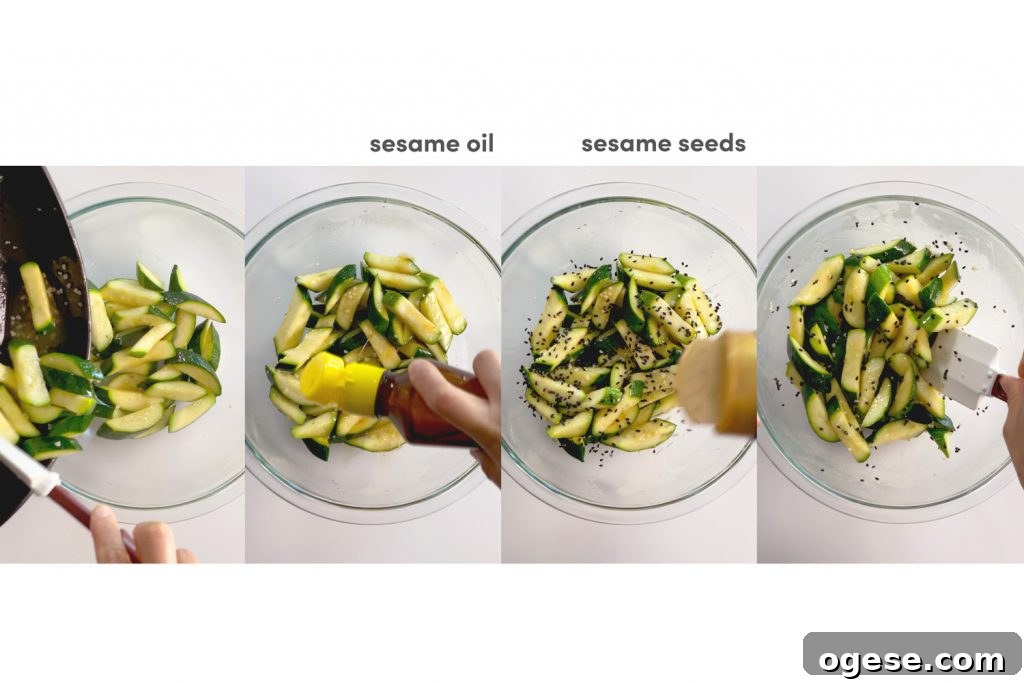
Transfer the zucchini to a serving bowl and finish by stirring in toasted sesame oil and toasted sesame seeds. In Korean cooking, toasted sesame oil and toasted sesame seeds are the norm — they add a warm, nutty aroma that transforms simple vegetables into a flavorful side. I sometimes use black sesame seeds for visual contrast, but white toasted sesame seeds are equally traditional.
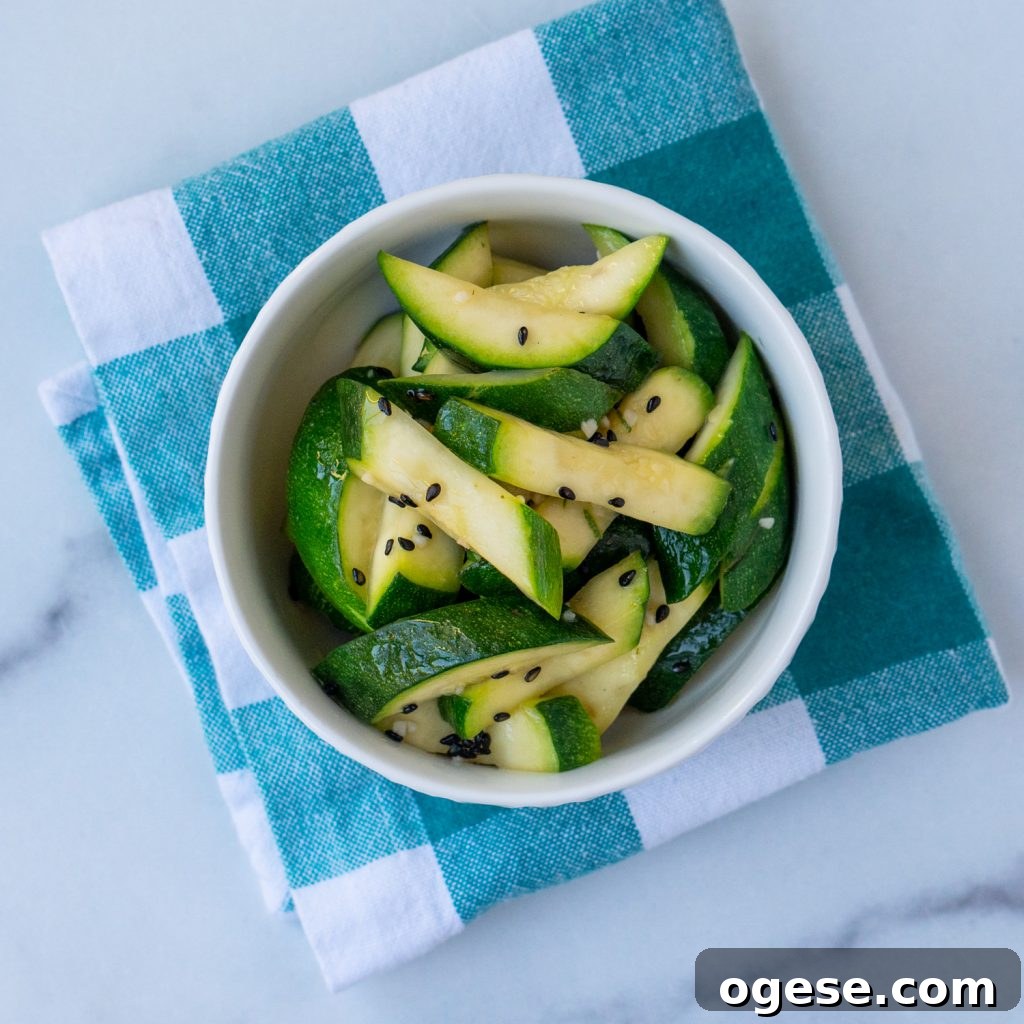

Korean Stir-Fried Zucchini
Side Dish
Korean
20 minutes
10 minutes
2
whiteblankspace
Ingredients
- 2 zucchinis
- 1 tsp salt
- 1 tbsp avocado oil or other cooking oil
- 1 tsp minced garlic
- 1–2 tbsp fish sauce adjust to taste
- 1 tbsp toasted sesame oil
- 1 tsp toasted sesame seeds
Instructions
-
Trim the ends and cut the zucchinis into matchsticks about 1/2″ thick for even cooking.
-
Arrange the matchsticks on a cutting board, sprinkle with salt, and let rest for 10 minutes so excess water is drawn out.
-
Rinse the zucchini briefly under cold water in a colander, then pat completely dry with paper towels.
-
Heat oil in a nonstick skillet over medium heat. Add the zucchini and stir for 2–3 minutes until they soften slightly but still feel firm.
-
Stir in minced garlic and fish sauce to taste, cooking for about one more minute. Remove from heat while zucchini retain some bite.
-
Transfer to a bowl and toss with toasted sesame oil and toasted sesame seeds. Serve warm or at room temperature as a banchan or side.
Tips: Prepare the zucchini shortly before serving so it stays crisp-tender. If you prefer more umami, add a small pinch of sugar or a splash of light soy sauce, but the dish is traditionally simple—highlighting the fresh vegetable, toasted sesame aroma, and a hint of fish sauce. This quick banchan is a versatile accompaniment to grilled meats, rice bowls, or a variety of other Korean side dishes.