
This sponsored post was written on behalf of Italian Trade Commission and IZEA Worldwide. All opinions are my own.
A few months ago I wrote a post titled “Which wine pairs well with pizza?” about wines that complement pizza. That was a fun experiment — tasting Italian Lambrusco and making an authentic Margherita pizza at home. This time I want to introduce you to Italian dessert wines.

Italian Wines – Sophisticated and Authentic
Italy is famous for an enormous variety of high-quality, artisanal wines produced from north to south: Piedmont and Friuli in the north, Tuscany, Umbria and Abruzzo in the center, and Sicily and Sardinia in the south. With 20 wine regions and more than 500 grape varieties, Italy’s diversity is staggering. The country counts well over 400 DOC and DOCG wines — official designations that guarantee origin and quality.
DOC and DOCG stand for Denominazione di Origine Controllata and Denominazione di Origine Controllata e Garantita respectively. These labels indicate a regulated origin and production method; DOCG represents the highest level of quality assurance. When you see these on a bottle, you can be confident of an authentic regional wine crafted to strict standards.
Whenever I open a bottle of true Italian wine, it instantly transports me back to Italy — whether it’s a wine from Tuscany, Piedmont or Sicily. The country’s winemaking heritage and regional character are evident in every glass.

Italian Dessert Wines
No Italian meal is complete without dessert, and Italy offers a wonderful tradition of sweet wines to finish the meal. From biscotti dipped in wine to a classic Tiramisu, dessert wines elevate the finale. Below I highlight several notable Italian dessert wines and a few pairing ideas, plus an authentic Tiramisu recipe at the end.
Moscato d’Asti
Moscato d’Asti is one of the most recognizable Italian dessert wines. Made from the Moscato Bianco grape near Asti in Piedmont, it is lightly sparkling, fragrant, pale in color and low in alcohol. Flavors often include orange blossom and dried apricot. To preserve its fresh aromatics, producers press the grapes and hold the juice under cool conditions, then partially ferment to around 5.5% alcohol.
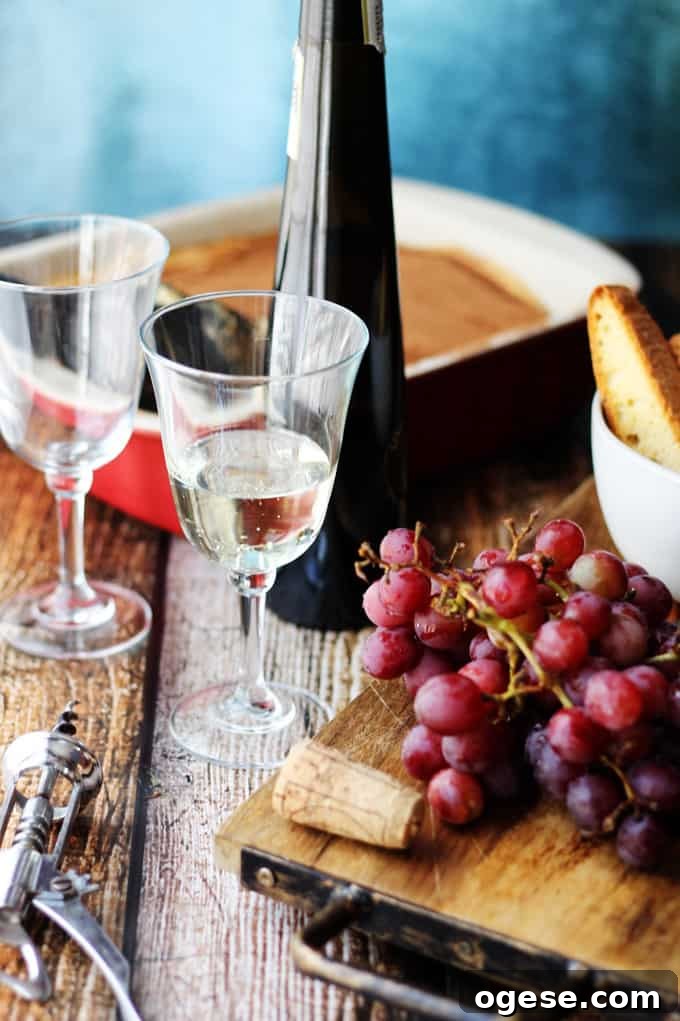
One traditional way to make sweet wines is to let grapes dry slightly before pressing, concentrating sugars and flavors. These are called passito or “straw wines.”
Vin Santo
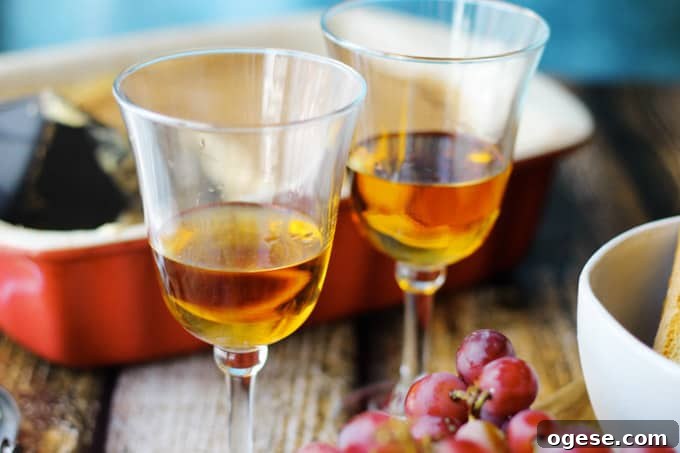
Vin Santo — literally “Holy Wine” — is a famous Tuscan and Umbrian straw wine, usually made from Trebbiano and Malvasia grapes. Grapes are dried on straw mats for months, then pressed. The resulting wine is fermented and aged for years in small barrels called caratelli, which allow slow oxygen exposure and deep concentration. Vin Santo’s amber color and aromas of apricot, caramel and nuts make it a classic pairing with cantucci (almond biscotti), which are traditionally dunked into the wine.
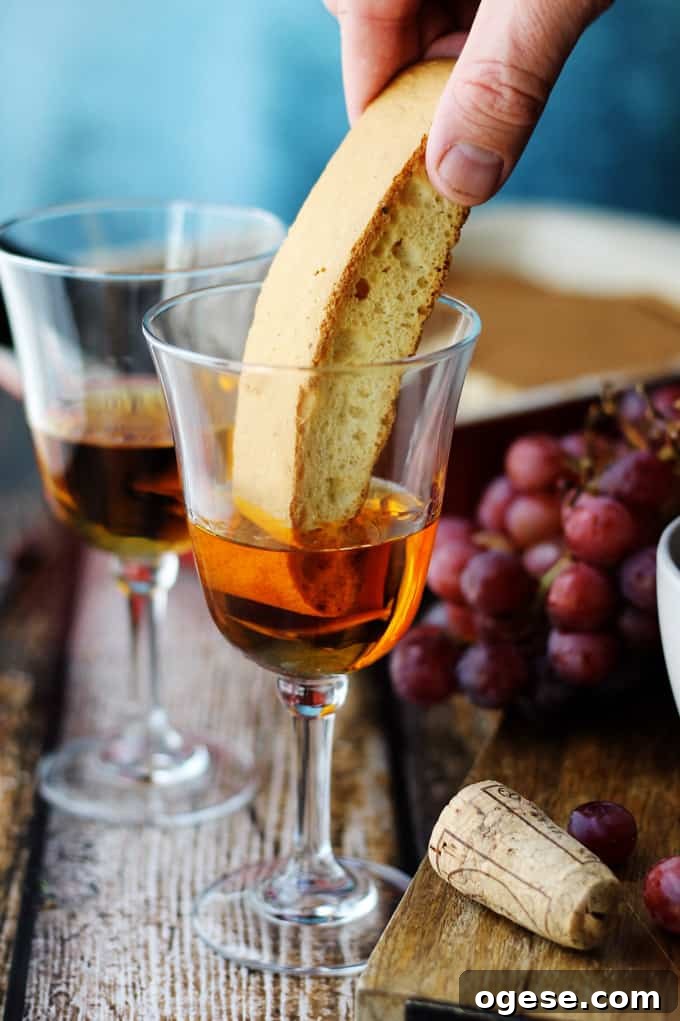
Top-quality Vin Santo can be expensive, but it’s an unforgettable experience when well made. Look for wines with DOCG status when possible for an assurance of traditional craftsmanship.
Recioto della Valpolicella
From Veneto and the Valpolicella area, Recioto della Valpolicella is a DOCG passito made from local varieties such as Corvina, Corvinone and Rondinella. Grapes are allowed to dry in wooden crates for roughly 200 days, then pressed and partially fermented to retain sweetness. Recioto is often described as a meditation wine — meant to be sipped slowly and savored.
Amarone della Valpolicella is closely related: legend has it Amarone was discovered when fermentation was allowed to complete, producing a dry, high-alcohol wine rather than a sweet Recioto. Both wines are worth tasting to appreciate their different characters.
Passito di Pantelleria
Passito di Pantelleria comes from the small island of Pantelleria south of Sicily and is made from the indigenous Zibibbo grape. Grapes are dried on mats and then pressed; depending on the method and aging, the wine shows intense apricot, honey and herbal notes with a rich amber color. Like other passito wines, Passito di Pantelleria is best enjoyed slowly and pairs beautifully with pastries, biscotti or strong cheeses such as Gorgonzola.
Ramandolo
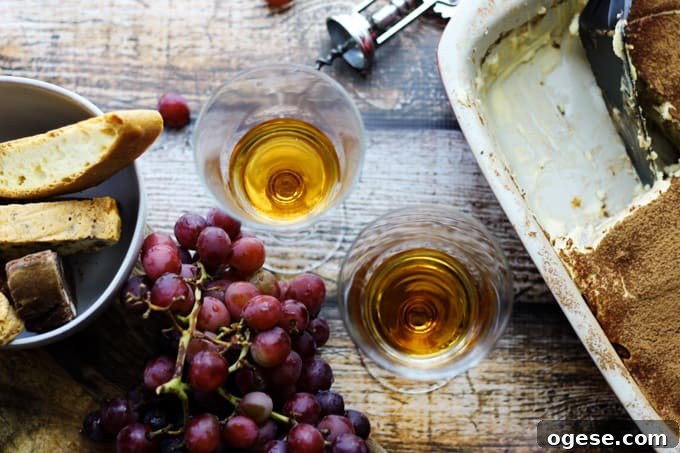
Ramandolo is a sweet wine from a small zone in Friuli, made exclusively from the Verduzzo Giallo grape. It is Friuli’s only DOCG for sweet wine. The grape has thicker skins and higher tannin, giving Ramandolo a distinctive texture and flavor with notes of dried apricot, chestnut and honey balanced by bright acidity. Many vineyards are on steep slopes and are hand-harvested, contributing to the wine’s unique character.
Brachetto
Brachetto is a lightly sparkling red dessert wine known for floral aromas and bright strawberry notes. Fermentation is often stopped early at around 5% alcohol to preserve sweetness and aromatic freshness. Brachetto is typically produced around Acqui and may be labeled Brachetto d’Acqui. Its fruity character pairs well with fruit-based desserts, chocolate and, surprisingly, some cured meats.

Tiramisu – an Authentic Italian Dessert
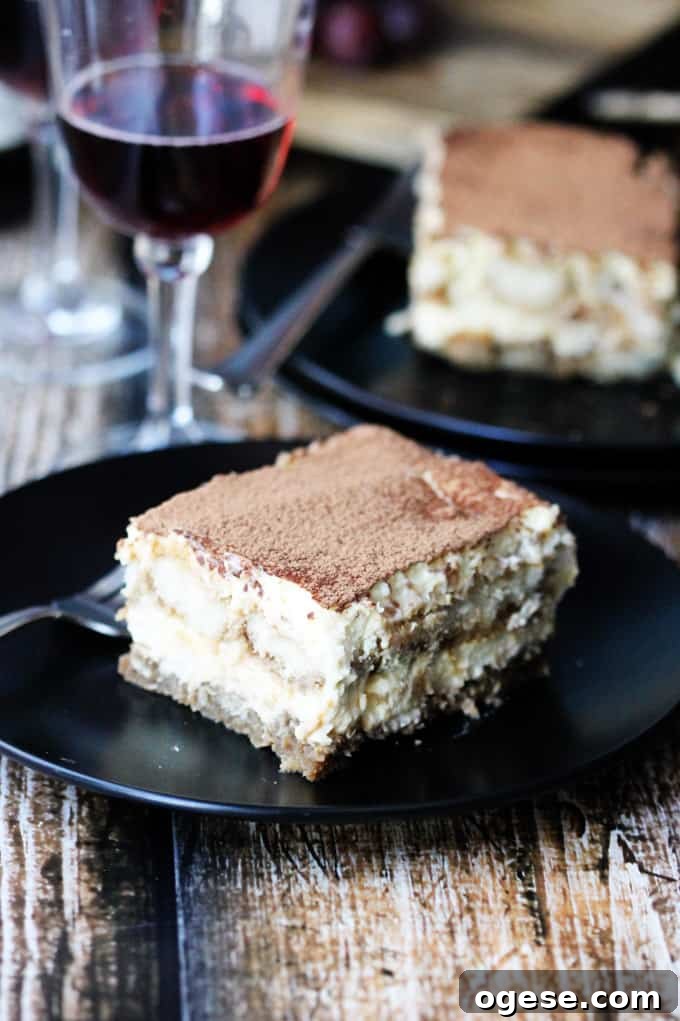
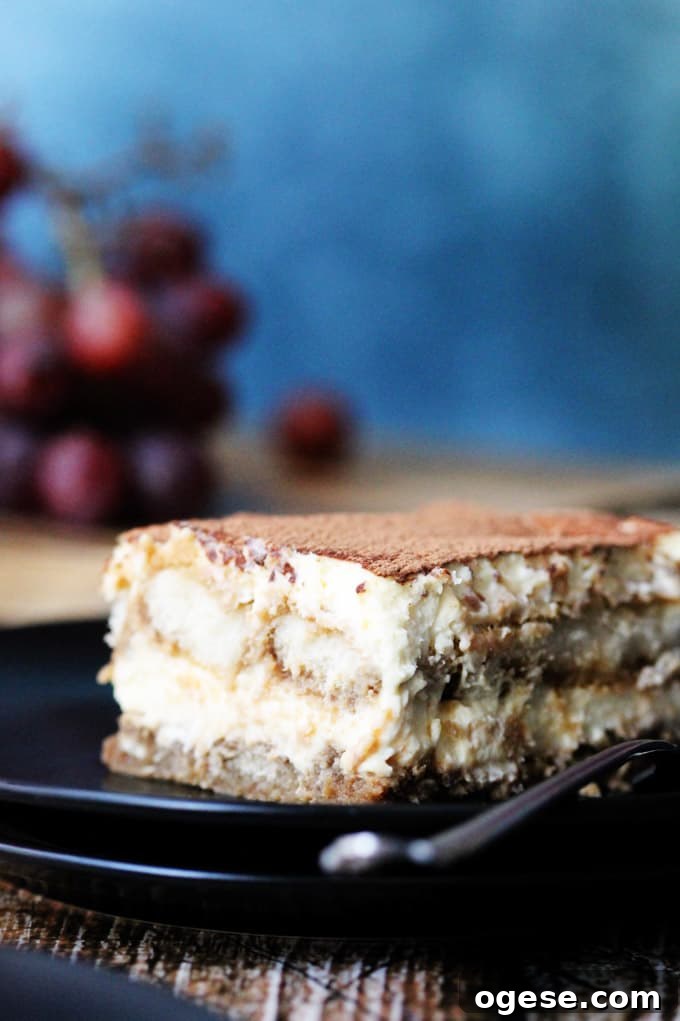
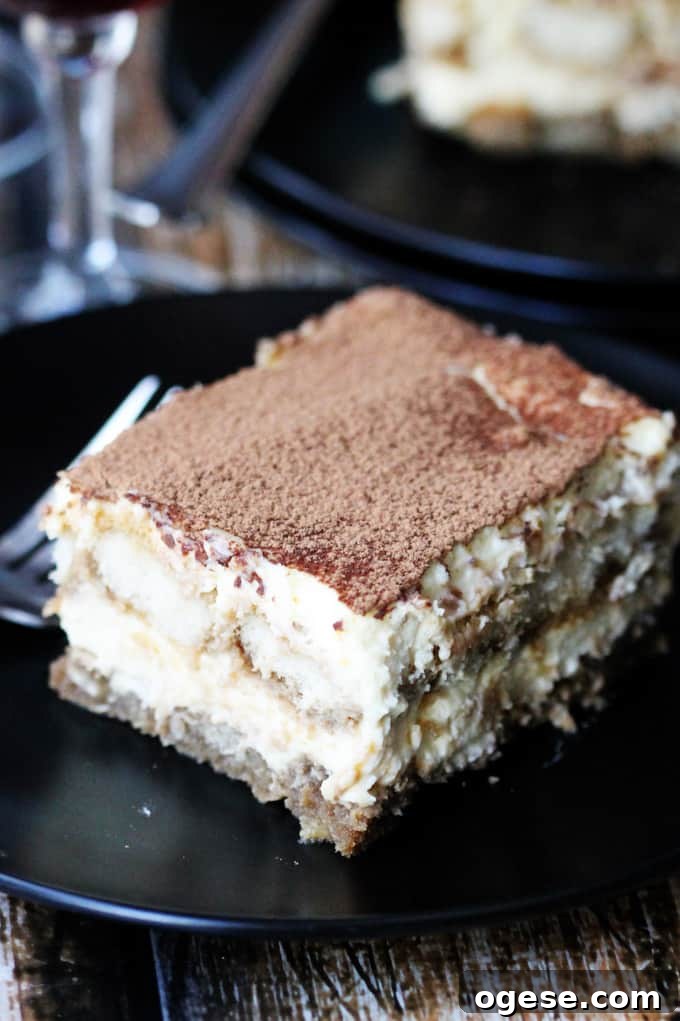
Italian dessert wines can be enjoyed on their own or paired with desserts. My favorite pairing is classic Tiramisu. Below you’ll find an authentic recipe and some tips to ensure great results.
Tips for best results:
- Use high-quality Italian ingredients when possible: mascarpone, ladyfingers, good espresso and Marsala wine.
- Choose fresh organic eggs and full-fat heavy cream.
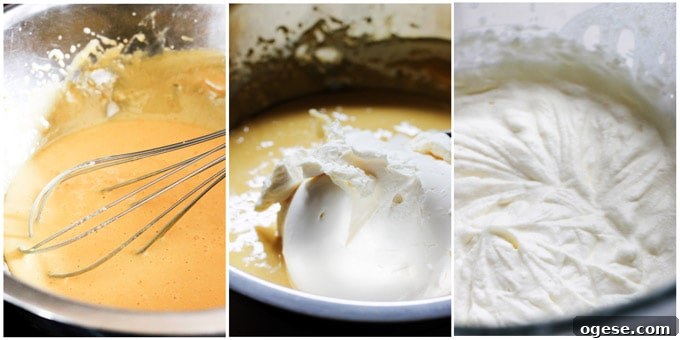
- Make the custard over a double boiler: whisk egg yolks, sugar and Marsala over simmering water until thick and pale.
- Whip cream to soft peaks and fold gently into the mascarpone custard to preserve airiness.
- Dip ladyfingers quickly in the coffee-brandy mixture so they absorb liquid but don’t become soggy.
Follow the recipe steps below and refrigerate the assembled Tiramisu for at least eight hours for the best texture and flavor.
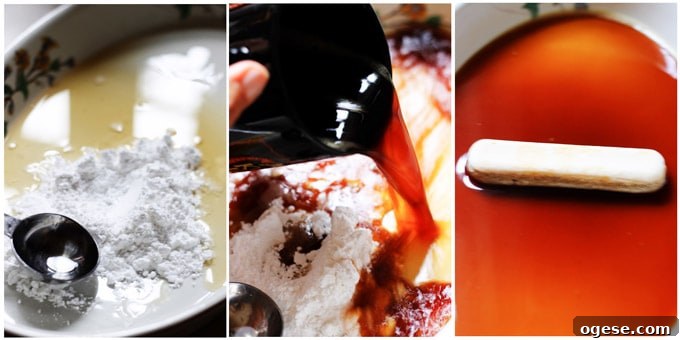
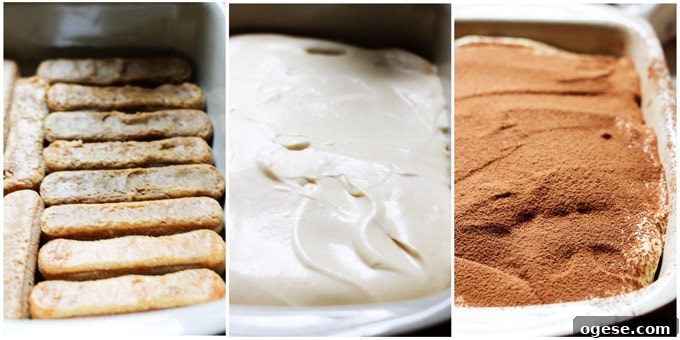
Enjoy this dessert and discover which Italian dessert wine you prefer with it. Below is a printable-style recipe for a classic Tiramisu.
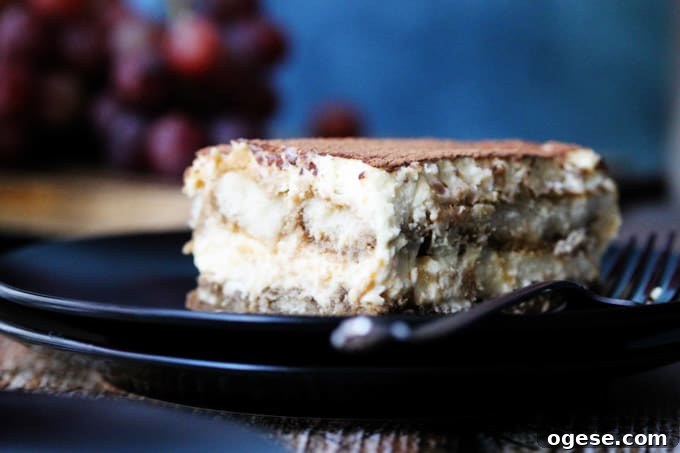
Classic Italian Tiramisu
Ingredients
- 4 organic egg yolks
- 1/2 cup sugar
- 1/3 cup Marsala wine
- 1 cup heavy whipping cream (preferably organic)
- 17 oz mascarpone cheese
- 2 cups strong espresso or brewed coffee
- 3 tablespoons brandy or liqueur or cognac
- 3 tablespoons powdered sugar
- 1½ count package of Italian ladyfingers
- Cocoa powder for garnish
Instructions
- Place egg yolks, sugar and Marsala in a bowl over simmering water to create a double boiler.
- Whisk constantly for 5–10 minutes until the mixture is thick, pale and has increased in volume.
- Remove from heat and gently fold in the mascarpone cheese.
- Whip the cream until thick and fluffy.
- Gently fold the whipped cream into the mascarpone custard.
- In a shallow dish combine brewed espresso, powdered sugar and brandy.
- Quickly dip each ladyfinger in the coffee mixture and arrange them in a 9×13 baking dish.
- Spread half of the mascarpone custard over the first layer of ladyfingers.
- Repeat with a second layer of coffee-dipped ladyfingers and the remaining custard.
- Sift cocoa powder over the top using a fine mesh strainer.
- Refrigerate for at least 8 hours before serving.
- Serve with your favorite Italian dessert wine and enjoy.