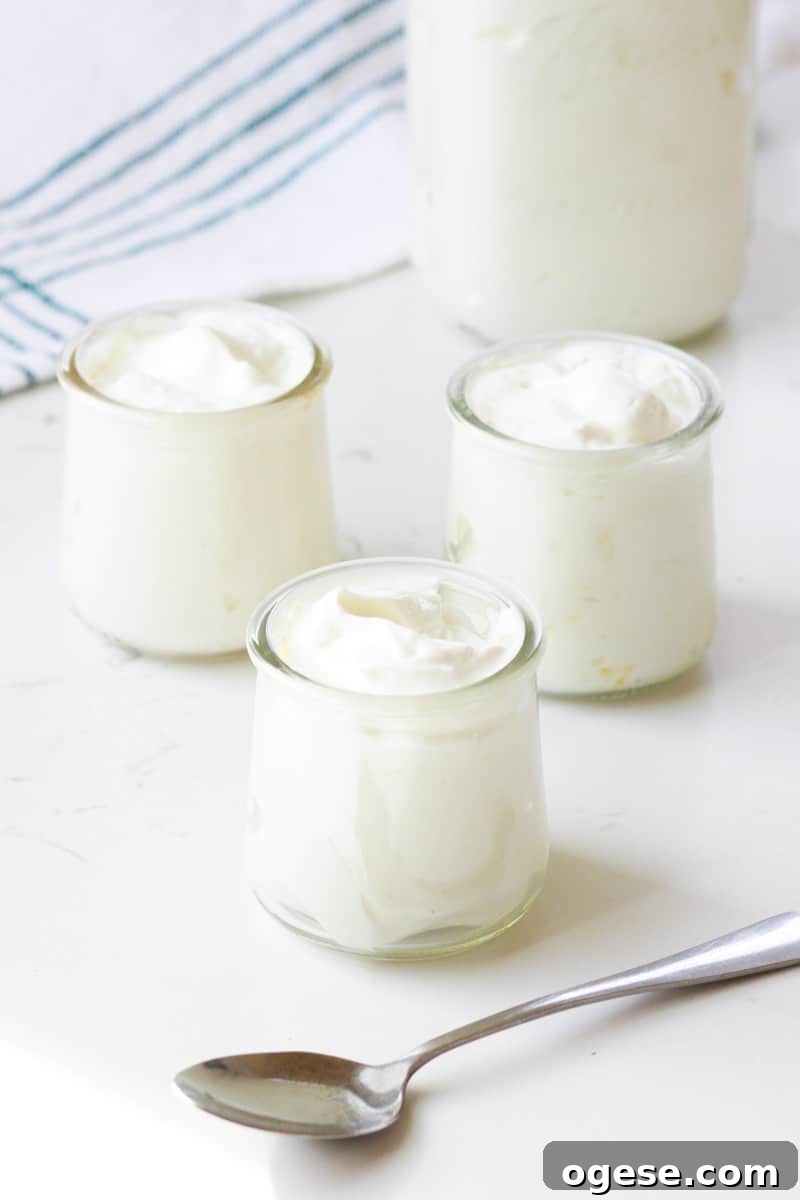
Making simple homemade yogurt in an Instant Pot is an easy, budget-friendly way to add probiotics to your family’s meals. Follow these clear steps to make a gallon of thick, creamy Greek-style yogurt.
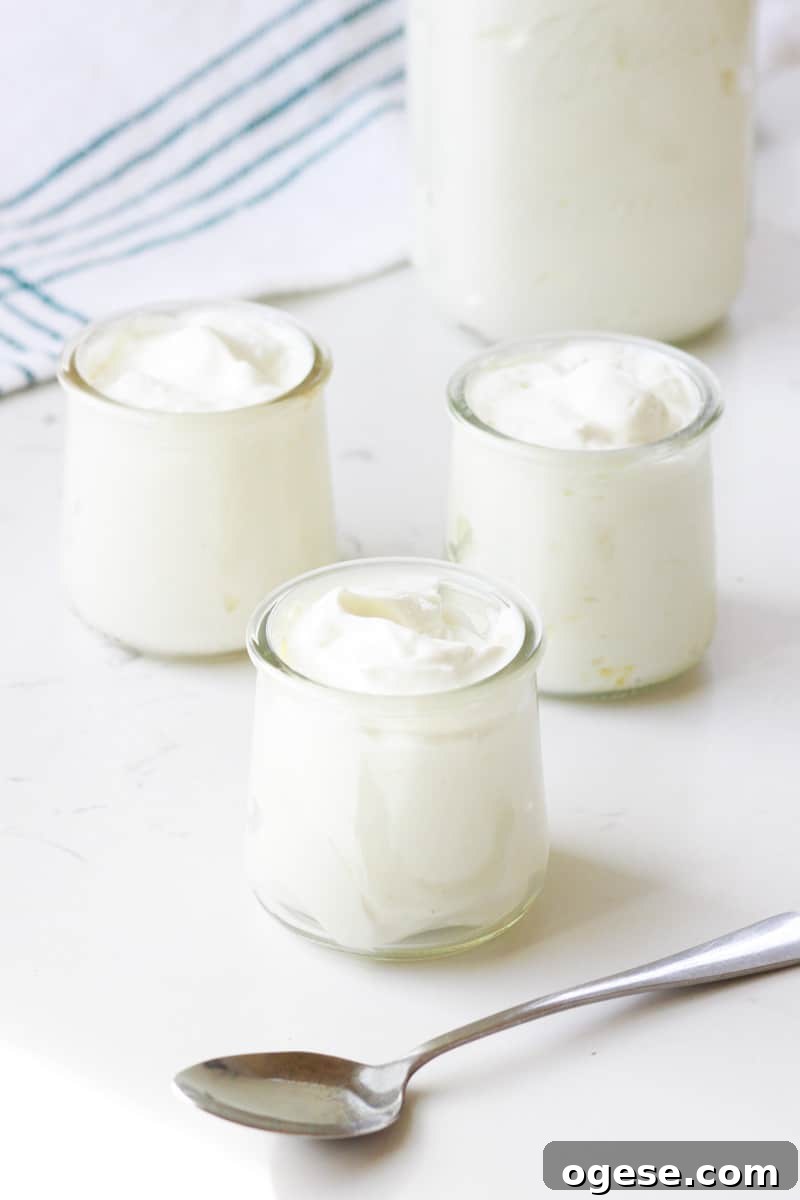
In a large household we go through about a gallon of yogurt a week. We eat it plain at lunch, add it to smoothies and parfaits, and use it in recipes like baked oatmeal, overnight oats, fruit dips, or in place of sour cream. Buying that much yogurt would add up quickly, so making it at home saves money and gives us control over ingredients and flavor.
Homemade Instant Pot yogurt is a game changer: it costs far less than store-bought Greek yogurt, it’s simple to prepare, and only requires a few minutes of active work. If you’re considering an Instant Pot, making yogurt alone can justify the purchase by saving you money and providing fresh probiotic-rich food.
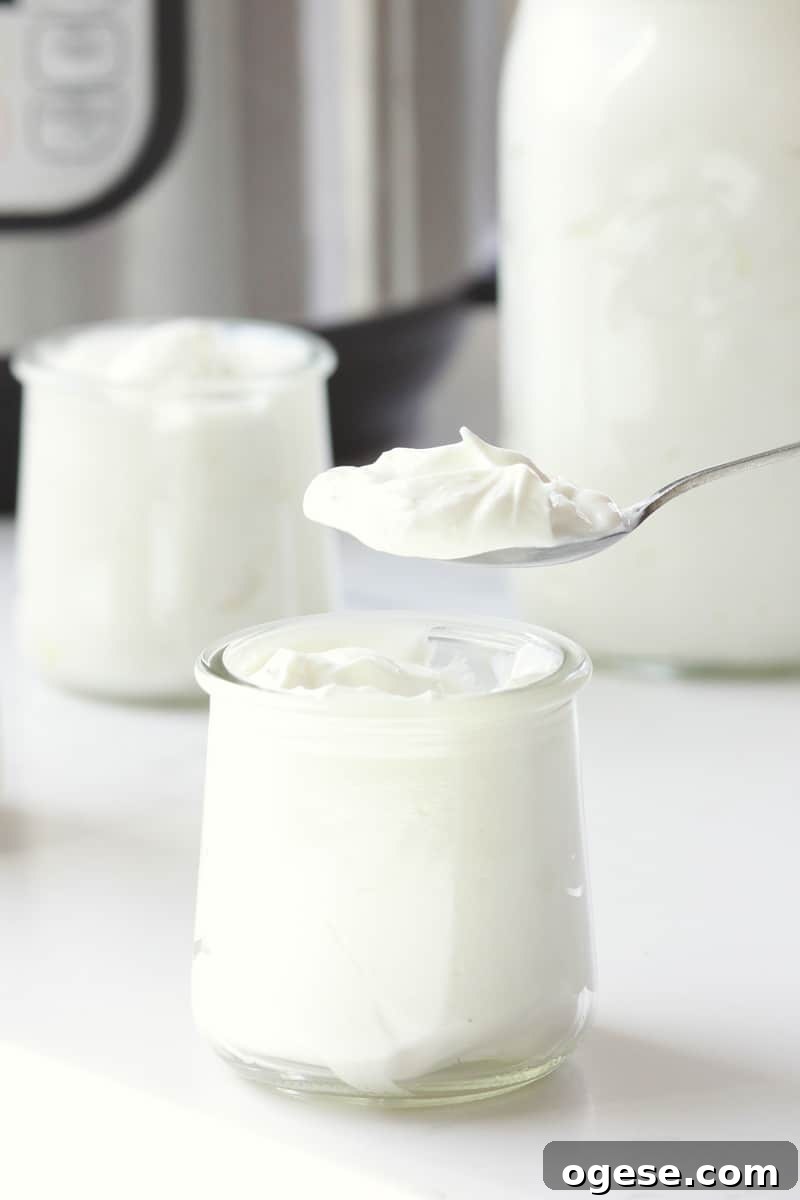
My favorite way to serve it is drizzled with maple syrup, topped with frozen berries and a crunchy homemade granola. Delicious and wholesome.
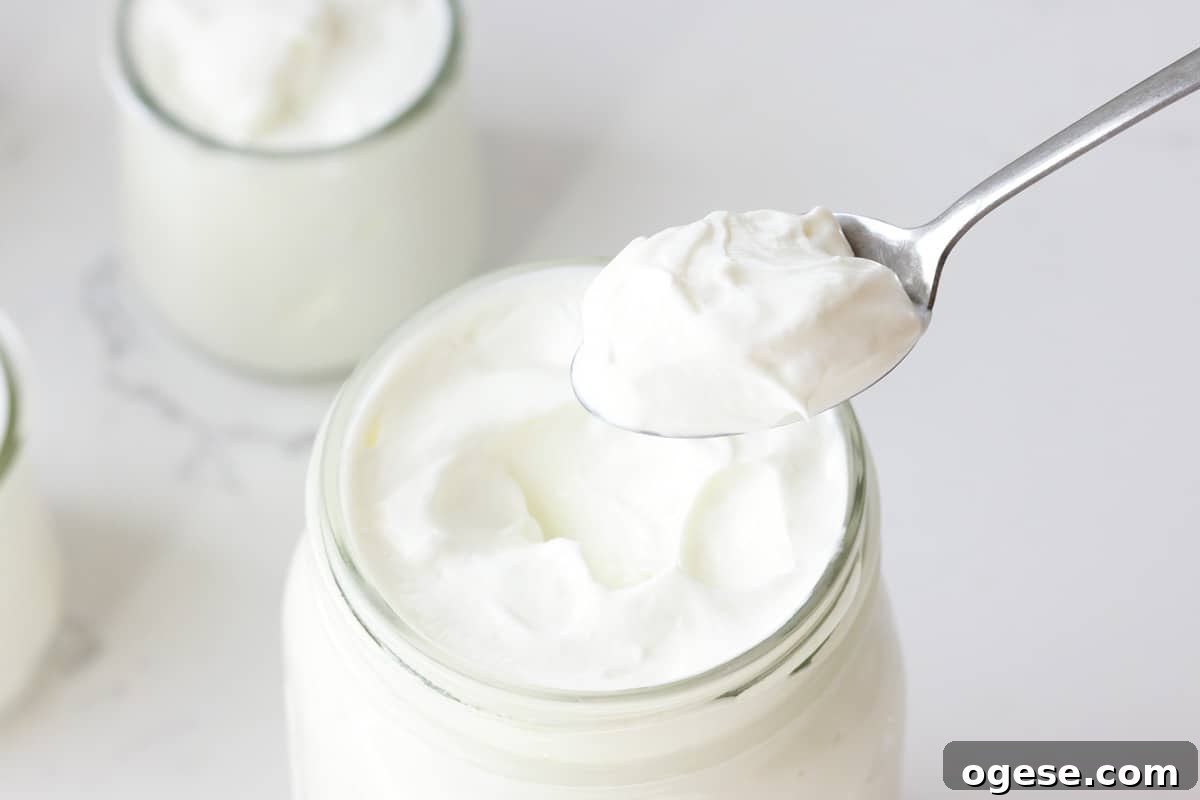
What you need to make simple Instant Pot yogurt
Ingredients
- Milk – Any cow’s or goat’s milk works, but whole milk produces the thickest, creamiest yogurt. Low-fat milk can be used but will be thinner. If you plan to use raw milk, see the section below for adjustments.
- Starter – A starter provides the live cultures that turn milk into yogurt. Use 1/2 cup of plain (or vanilla) Greek yogurt that states it contains “live and active cultures.” Common reliable brands contain the necessary strains.
Supplies
- Instant Pot – Make sure your model has a yogurt function.
- Thermometer – A thermometer ensures milk reaches the correct temperatures without overheating.
- Whisk – For gently combining starter and milk.
- Colander – To strain the yogurt for Greek-style thickness.
- Coffee filters or cheesecloth – Line the colander to catch solids while letting whey drain. Coffee filters give a consistent result; cheesecloth is a reusable option.
How to make simple Instant Pot yogurt
Prep – Ensure the Instant Pot is clean and free of lingering odors. Pour the milk into the inner pot and clip a thermometer to the side.
Heat the milk – Use the Sauté setting and warm the milk until it reaches 180°F (82°C). Heating pasteurized milk to this temperature helps create a creamier texture and reduces competing bacteria.
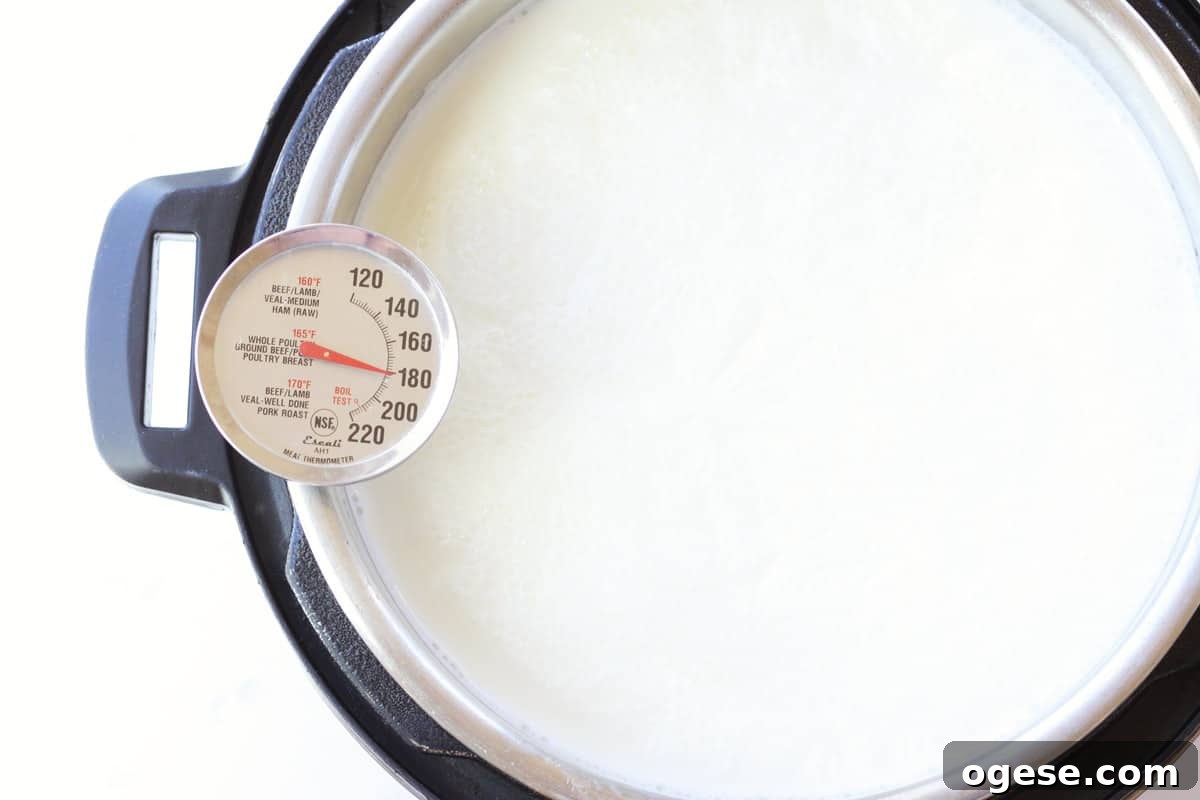
Cool – Remove the inner pot and let the milk cool to about 110°F (43°C). This can take a couple of hours at room temperature; avoid rapid cooling in the refrigerator, which can affect texture.
Add the starter – Return the inner pot to the cooker, add 1/2 cup of your yogurt starter, and whisk gently until evenly incorporated.
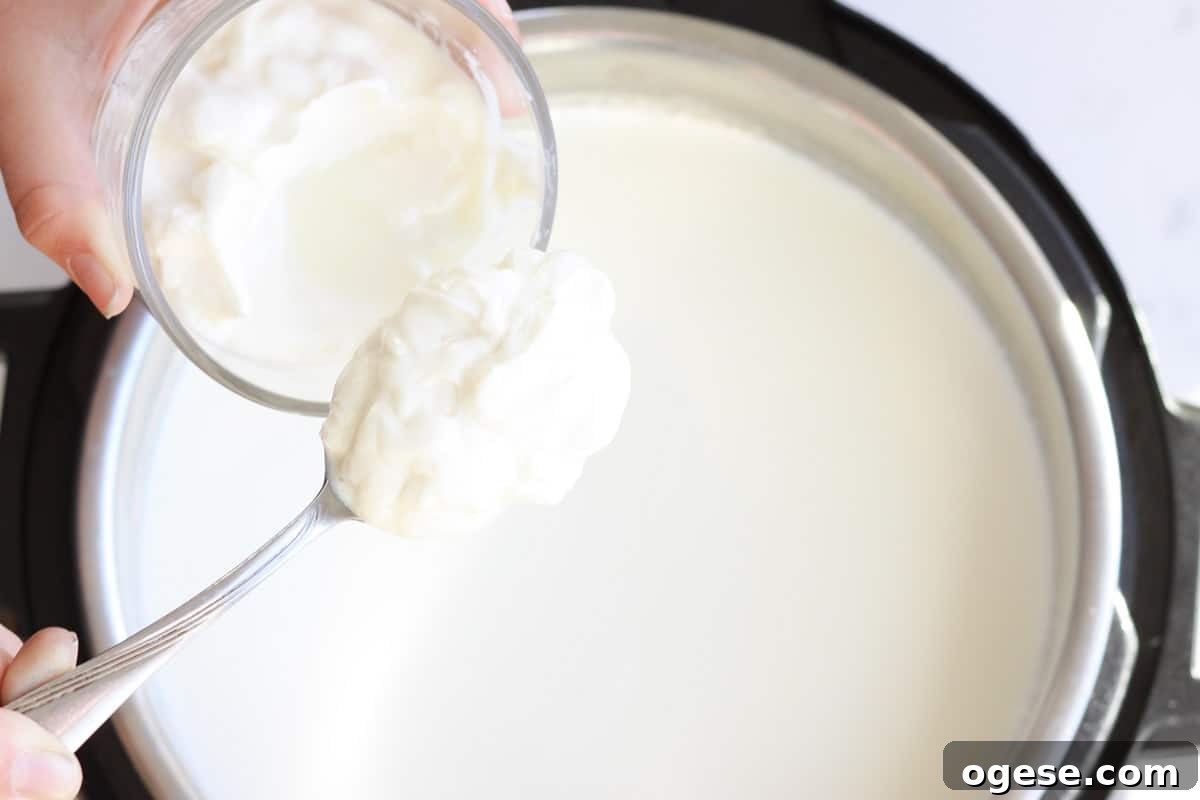
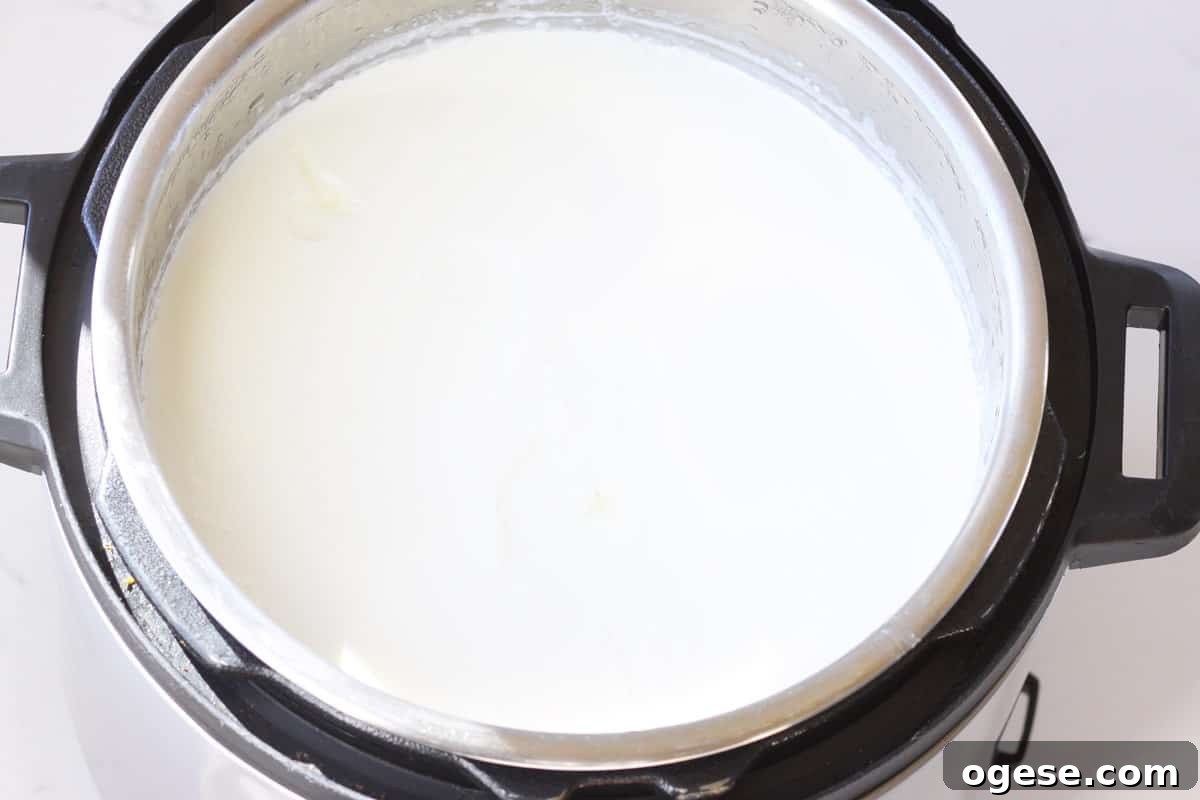
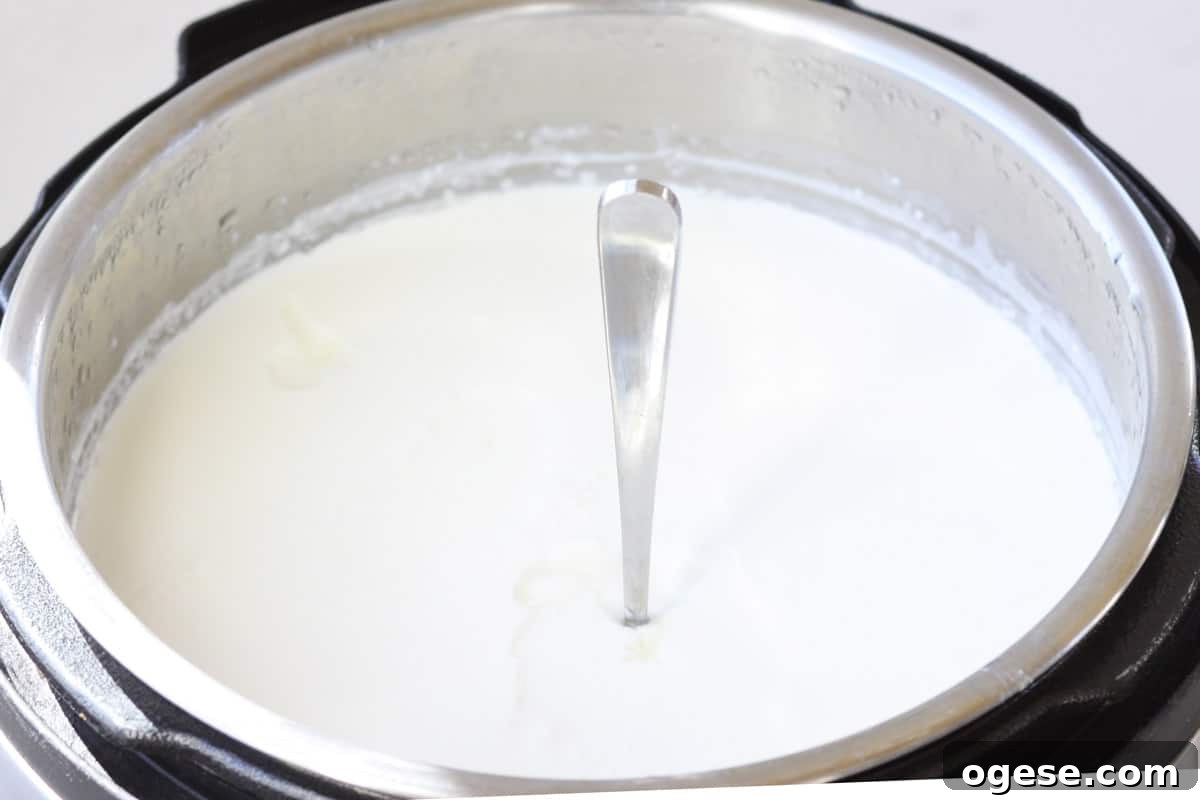
Use the yogurt setting – To keep other kitchen aromas out of your yogurt, remove the rubber gasket from the lid or cover the pot with plastic wrap. Place the lid on the pot (no need to lock) and select the Yogurt function. Set the time to 9 hours. When the cycle finishes, gently remove the inner pot.
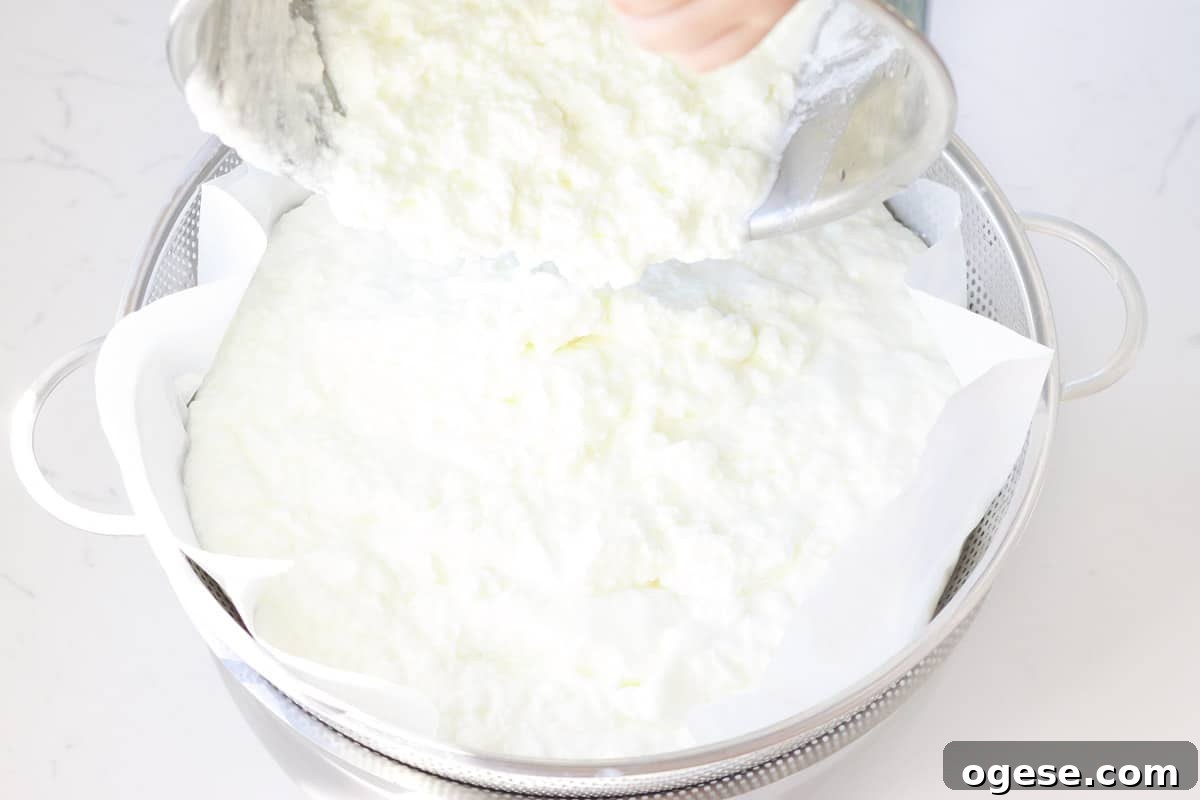
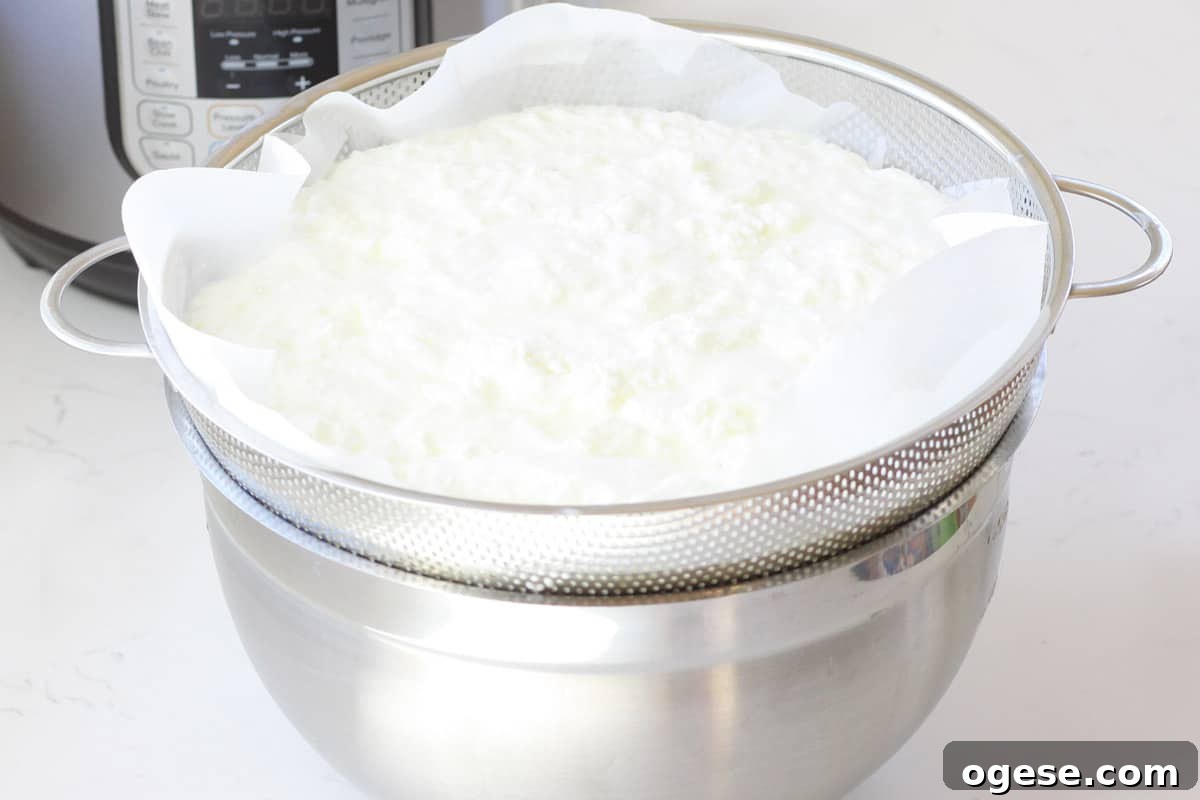
Strain the yogurt – For Greek-style thickness, set a colander over a large bowl and line it with coffee filters or cheesecloth. Pour the yogurt into the lined colander and let the whey drain. Place the bowl and colander in the refrigerator and strain for 12–24 hours, depending on how thick you want the final yogurt. When it reaches a consistency similar to sour cream or cream cheese, transfer it to containers.
Flavoring (optional) – Once strained, stir in honey, maple syrup, or vanilla to taste, or leave it plain for cooking and baking.
Tips for success
To serve – Use homemade yogurt like store-bought: in smoothies, parfaits, baked goods, or as a snack with fruit and honey.
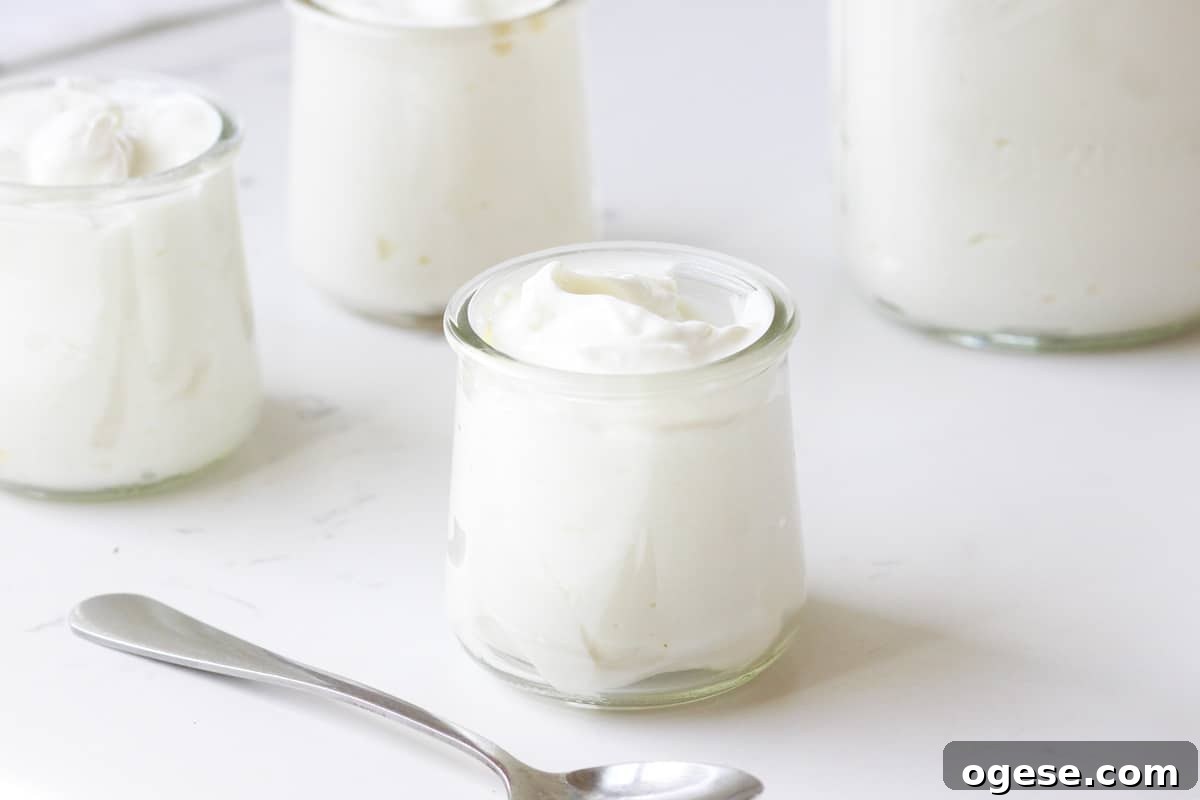
To store – Keep yogurt refrigerated; it will stay fresh for up to two weeks.
Substitutions – Whole milk is best for creaminess, but reduced-fat or skim milk and goat’s milk can be used with thinner results.
Starter options – Save 1/2 cup of your homemade yogurt to use as the starter for the next batch. Over time the cultures will weaken, so you may need to refresh with a commercial starter or probiotic powder containing classic yogurt strains.
Variations – Stir in fruit, jam, or sweeteners after straining for flavored yogurt.
Why you should make your own yogurt
- It’s thick, creamy, and delicious; you control the sweetness and flavorings.
- Homemade yogurt avoids many commercial additives and artificial thickeners found in some store-bought products.
- It’s economical — you can make yogurt for a fraction of the cost of leading brands.
- It requires just two main ingredients: milk and a yogurt starter.
FAQ about simple Instant Pot yogurt
Is it worth making yogurt in an Instant Pot?
Yes. It’s simple, inexpensive, and yields delicious, probiotic-rich yogurt with minimal hands-on time.
What can you use as a starter?
Common starters include:
- 1/2 cup store-bought yogurt labeled with live and active cultures.
- 1/2 cup saved from a previous homemade batch (cultures weaken over time).
- Freeze-dried probiotic powder that lists yogurt strains like Lactobacillus bulgaricus, Streptococcus thermophilus, Bifidobacterium lactis, or Lactobacillus acidophilus.
- Whey from a previous batch can also be used as a starter.
What can you do with leftover whey?
Whey is a nutritious byproduct rich in protein, B vitamins and minerals. Use it in place of water or milk in baked goods, in smoothies, pancakes, waffles, baked oatmeal, sourdough starter, or freeze it for later. It can also be used to soak feed or in recipes that call for buttermilk.
What kind of milk can you use?
Any cow’s or goat’s milk is suitable. Whole milk gives the creamiest, most consistent results; higher fat yields a richer texture and slightly sweeter taste.
Why heat the milk?
Heating pasteurized milk to 180°F kills residual bacteria and improves texture. For raw milk, heat only to about 110°F before adding starter to preserve raw milk benefits while allowing proper fermentation.
Why did my Instant Pot yogurt fail?
Common causes:
- Milk wasn’t heated to the correct temperature (pasteurized milk: 180°F; raw milk: ~110°F).
- Milk cooled too quickly, which can affect texture.
- Not enough starter was used.
- The starter lacked the necessary active cultures.
Why is my yogurt too sour?
Overlong incubation converts more lactose into lactic acid, producing a tangier, more sour yogurt. Reduce incubation time if you prefer milder flavor.
More easy Instant Pot recipes
- Instant Pot Strawberry Applesauce
- Instant Pot Vanilla Yogurt
- No-Peel Instant Pot Applesauce
Pin these steps to try later and share your results on Instagram to show what you made!
Simple Instant Pot Yogurt
1/2 gallon of yogurt
30 minutes
9 hours
18 hours
1 day 3 hours 30 minutes
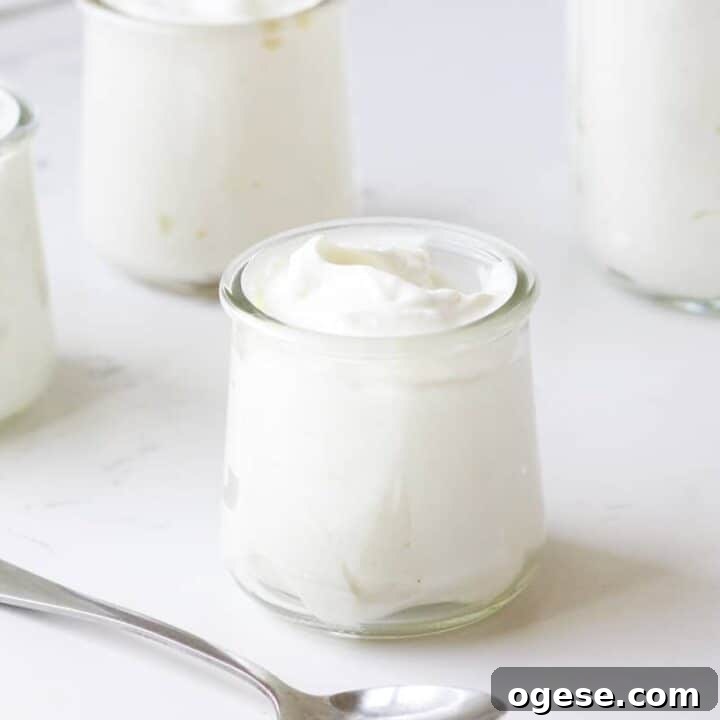
Making Greek-style yogurt in the Instant Pot is a simple way to add affordable probiotics to your family’s diet. Follow these steps to make thick, creamy yogurt with minimal active prep time.
Ingredients
- 1 gallon of milk (whole milk recommended)
- 1/2 cup plain Greek yogurt with live active cultures (see instructions for strains)
- Optional: honey or vanilla extract for flavoring
Instructions
- Make sure the Instant Pot is clean and odor-free. Pour milk into the inner pot and attach a thermometer to the side.
- Heat the milk using the Sauté function until it reaches 180°F to improve texture and reduce competing bacteria.
- Remove the inner pot and let the milk cool to approximately 110°F. Cooling too quickly can affect the final texture.
- Return the inner pot to the cooker, add 1/2 cup of starter yogurt, and whisk gently to combine.
- Remove the rubber gasket or cover the pot with plastic wrap to prevent outside aromas from affecting the yogurt. Place the lid on the pot (no need to lock).
- Select the Yogurt setting and set the time to 9 hours.
- When the cycle finishes, remove the inner pot.
- Line a colander with coffee filters or cheesecloth, place it over a large bowl, and pour the yogurt into the lined colander to strain.
- Refrigerate the bowl and colander while straining for 12–24 hours until the yogurt reaches your desired thickness.
Notes
- To Serve – Use like store-bought yogurt: in smoothies, parfaits, baked goods, or enjoyed plain with honey and fruit.
- To Store – Keeps in the refrigerator up to 2 weeks.
- Substitutions – Whole milk gives the creamiest results; other milks work with thinner consistency.
- Starter Options – Save 1/2 cup from each batch to start the next; refresh with store-bought starter when cultures weaken.
- Variations – Stir in jam, fruit, or sweeteners after straining.
Nutrition Information:
Yield: 16
Serving Size: 1/2 cup
Amount Per Serving:
Calories: 131Total Fat: 5gSaturated Fat: 3gTrans Fat: 0gUnsaturated Fat: 2gCholesterol: 20mgSodium: 117mgCarbohydrates: 13gFiber: 0gSugar: 14gProtein: 9g