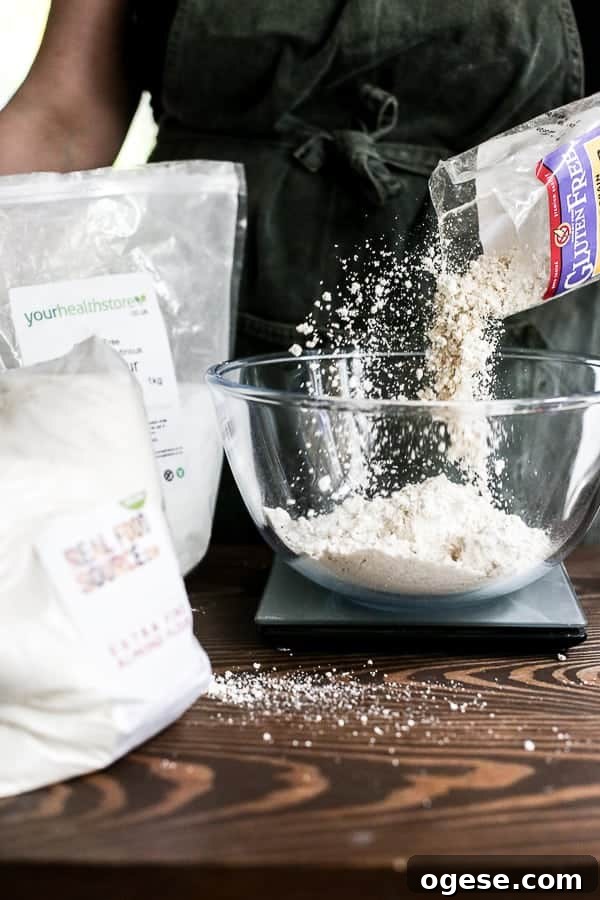
The choice between weighing ingredients and measuring by volume can transform the outcome of your recipes. Digital kitchen scales are one of the most useful tools for any cook or baker: affordable, compact, and able to deliver consistent, reliable results. Yet many home cooks still hesitate to use them. Here’s why weighing ingredients is smarter, faster and less fussy than relying on measuring cups.
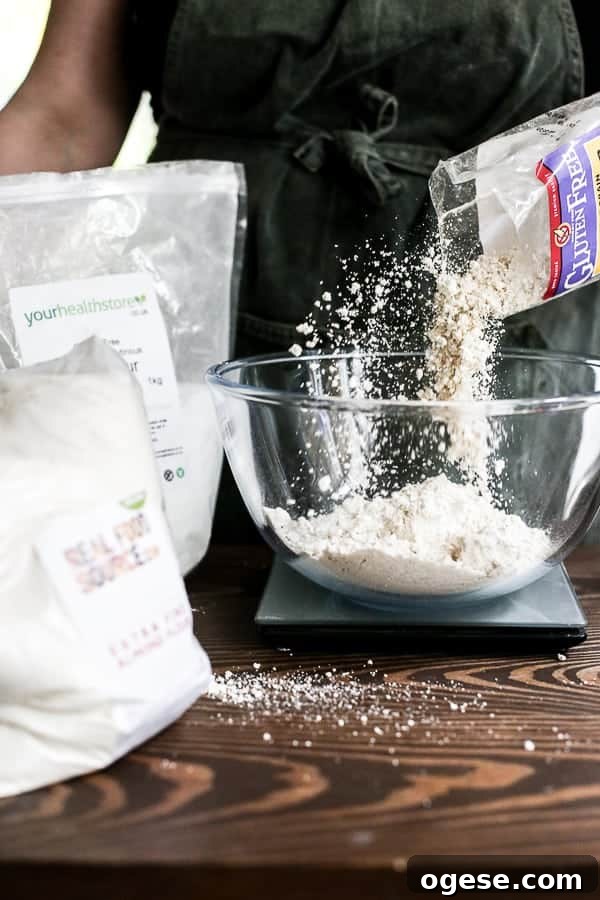
I trained as a baker in the UK and was taught to weigh ingredients using the metric system. When I started trying recipes online, many came from the US and used unfamiliar volume measurements: cups of sugar, pints of blueberries, or a mysterious “stick” of butter. It was confusing. The dry measuring cup was popularised in 1896 by Fannie Farmer, and while measuring cups remain a common tool, digital scales are far easier and more reliable once you get used to them.
I keep a set of measuring cups for convenience, but I prefer to weigh ingredients. Professional bakers long recommended metric weights for home cooks, and many recipe developers now include gram measurements. The advantages are straightforward: consistency, speed, and less washing up.
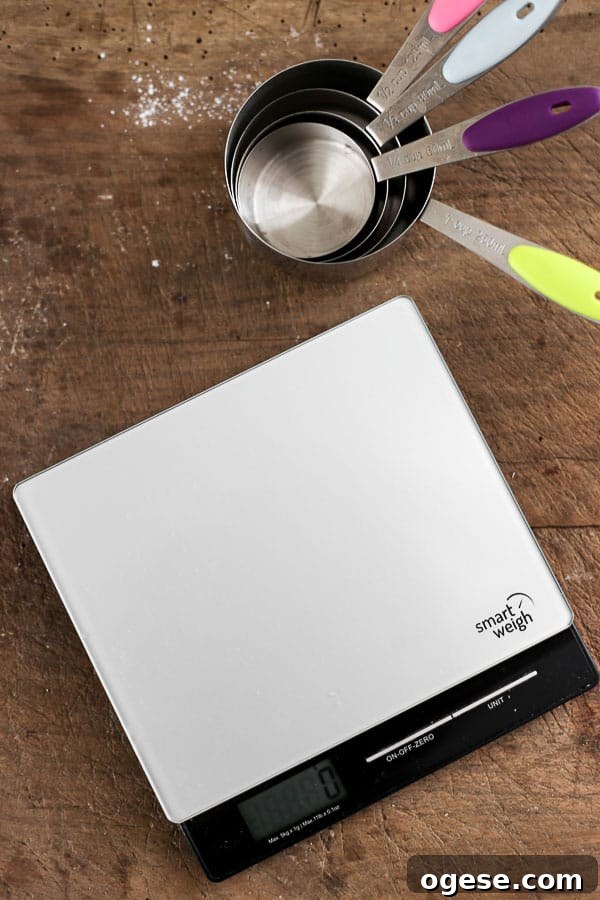
Why should you use digital scales?
The size of the measuring cup is not universal
One of the biggest pitfalls with cups is that they are not the same everywhere. A cup in the US is different from a metric cup. That difference may not matter for loose salad ingredients, but it matters for precise baking.
US standard cup = 240 ml
Metric cup (commonly used in Australia, Canada) = 250 ml
The UK tends to use metric measurements rather than cups, and UK-sized cups align with the 250 ml standard. Tip: UK measuring cups will not match US recipes exactly, so use caution when following recipes from different countries.
Measuring cups are not accurate
People measure with cups in different ways. For example, flour should be spooned into a cup and levelled off with a knife for the most consistent result. Many people instead use the dip-and-sweep method, plunging the cup into the bag of flour and packing it down. That simple difference can change the amount of flour dramatically.
Experiments have shown wide variation: a cup of flour measured by different people can vary significantly in weight, enough to affect cakes and breads. The same inconsistency applies to chopped vegetables or leafy greens—how tightly you pack them changes the volume. Weighing ingredients eliminates that variability: 100 g of an ingredient is always 100 g, provided your scales are accurate.
Less washing up
Using measuring cups often means multiple utensils and more washing. Digital scales let you weigh directly into one mixing bowl, cutting down on dishes. For many recipes I only need a mixing bowl and a set of scales—sometimes two bowls if I separate dry and wet ingredients.
How do you weigh ingredients for baking?
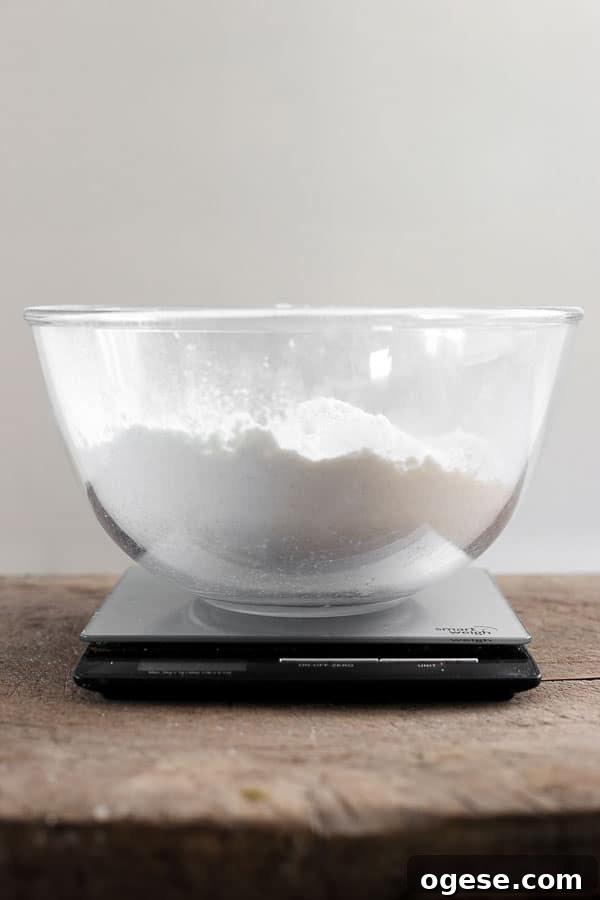
Digital scales with a tare function make many recipes one-bowl affairs. Place your bowl on the scales, press tare to zero the display, and add each ingredient in turn. For recipes that separate dry and wet components, I normally use two bowls: one for dry ingredients and one for wet.
What is the tare function?
Tare resets the scale to zero with a container on it. Put your mixing bowl on the scales and press tare so you can weigh ingredients without including the bowl’s weight. When measuring multiple flours or components, press tare between additions to add each ingredient to the same bowl by weight.
- Place the mixing bowl on the scales.
- Press tare so the display reads zero.
- Add the first flour until the correct weight is reached.
- Press tare again to reset to zero.
- Add the next flour and repeat until all ingredients are combined.
TIP – Use metal mixing bowls
Lightweight metal mixing bowls are ideal when weighing directly into the bowl. They won’t overload the scales and are easy to clean. Plastic bowls are heavier and can absorb odours or oils over time.
Are digital scales expensive?
Good digital kitchen scales are inexpensive—around £10 for a reliable basic model. I even keep a backup set for peace of mind. Aside from occasional battery changes, they are low-maintenance and make baking more predictable.
Other uses for kitchen scales
Scales are useful beyond initial ingredient measurement. I use them throughout cooking and baking for portioning, shaping and ensuring consistency.
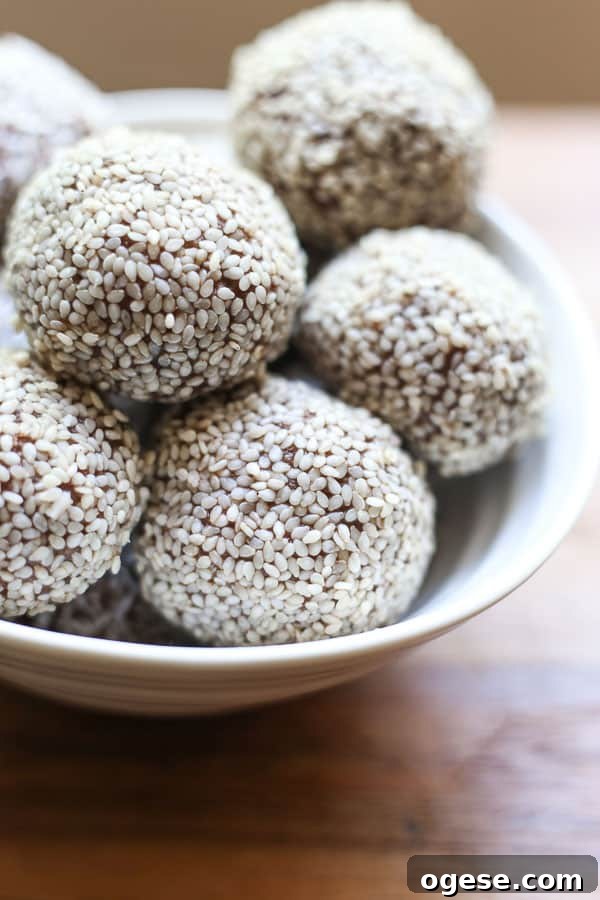
Uniformity
Weighing ensures uniform portions—whether you are rolling truffles, shaping burgers, or forming energy balls—so everything cooks evenly and looks consistent.
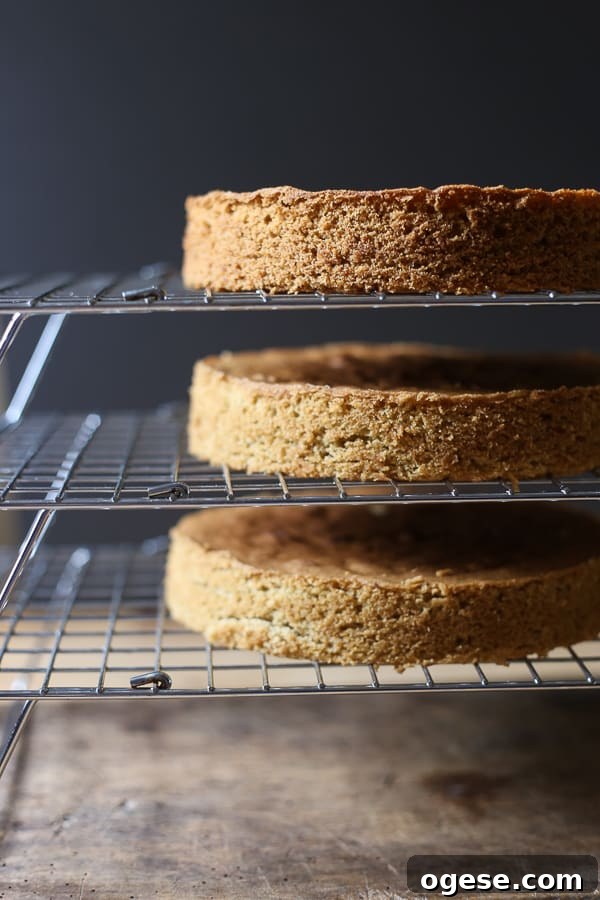
Even Cake Layers
To make evenly sized cake layers, weigh the batter between tins so each layer contains the same amount. This helps layers bake at the same rate and produces a level cake.
- Place one lined and greased cake tin on the scales and press tare.
- Weigh approximately half the batter into that tin.
- Remove it, place the second tin on the scales, press tare, and weigh the remainder into the second tin.
The result is two layers that bake evenly and stack neatly.
Weighing Liquid
I prefer to weigh liquids instead of using measuring jugs. It’s fast and accurate. For thin liquids like water or milk, 240 ml is effectively 240 g, so weighing is convenient. For denser liquids such as oil, cream or yoghurt, density differences mean you should follow the recipe’s suggested measuring system if specified.
TIP: To weigh water directly, place a jug on the scales, press tare, and hold it under the tap while filling to the desired weight.
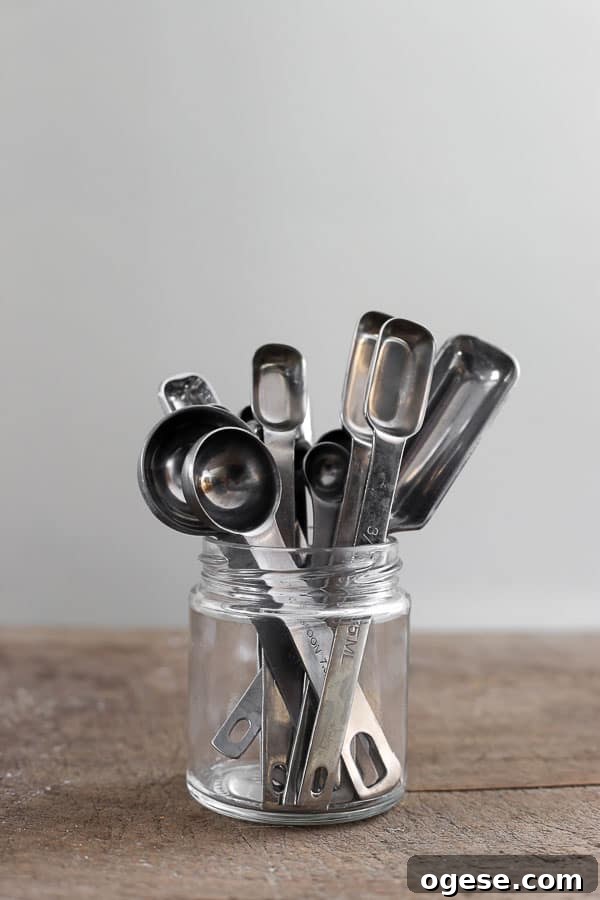
Why are measuring spoons used?
Small-volume ingredients—baking powder, bicarbonate of soda, vanilla extract, citrus zest, herbs, salt and spices—are often easier to measure with spoons. Basic digital scales may not register tiny amounts accurately, so measuring spoons still have a place in precise baking.
TIP: To measure sticky ingredients such as honey or peanut butter, brush the inside of the spoon with a little oil first so the ingredient releases easily.
How do you convert recipes from volume to weight?
Converting cups to grams is straightforward if you know the recipe’s origin, because US and metric cup sizes differ. Many conversion tools and apps exist, and basic baking conversions become familiar with practice. Below are common approximate conversions I use frequently:
| 1 cup plain flour (most gf flours) | 120 g |
| 1 cup caster sugar | 225 g |
| 1 cup brown sugar | 200 g |
| 1 cup butter | 227 g |
| 1 stick butter | 115 g |
| 1 cup milk | 240 g |
| 1 cup honey | 350 g |
| 1 tablespoon | 15 g |
| 1 teaspoon | 5 g |
Converting from weight back to volume can produce awkward fractions—for example, 100 g of flour might be three-quarters of a cup plus a few tablespoons—so weighing is often the simpler approach. Unit converter apps are handy if you prefer not to calculate conversions by hand.
Final note: you might see scales referred to in the plural, a leftover term from the old pair-of-scales design. Modern digital scales have made baking easier and more predictable—once you start weighing, it’s hard to go back.
If you like this post then you may like these other baking tips:
- Why I Don’t Bake With Xanthan Gum
- The Ultimate Guide to Gluten-Free Cakes