
As temperatures fall, your furnace becomes essential for keeping your home warm and safe. Regular maintenance not only ensures comfort but also reduces the risk of unexpected breakdowns and hazards that can occur when heating systems fail. Waiting until the furnace stops working often leads to costly emergency repairs; consistent care prevents those situations and extends the life of your system.
Whether you’re preparing for the first frost or maintaining heat through the coldest months, the following practical furnace maintenance tips help homeowners improve comfort, efficiency, and safety. If you prefer professional assistance, certified technicians can provide inspections and repairs to keep your system operating at peak performance.
Routine maintenance does more than keep rooms warm. It preserves your furnace, lowers energy bills, and contributes to healthier indoor air. Replacing filters, cleaning key components, and maintaining proper airflow are tasks many homeowners can perform. Still, annual professional inspections catch issues that might be missed and allow small problems to be fixed before they become major repairs.
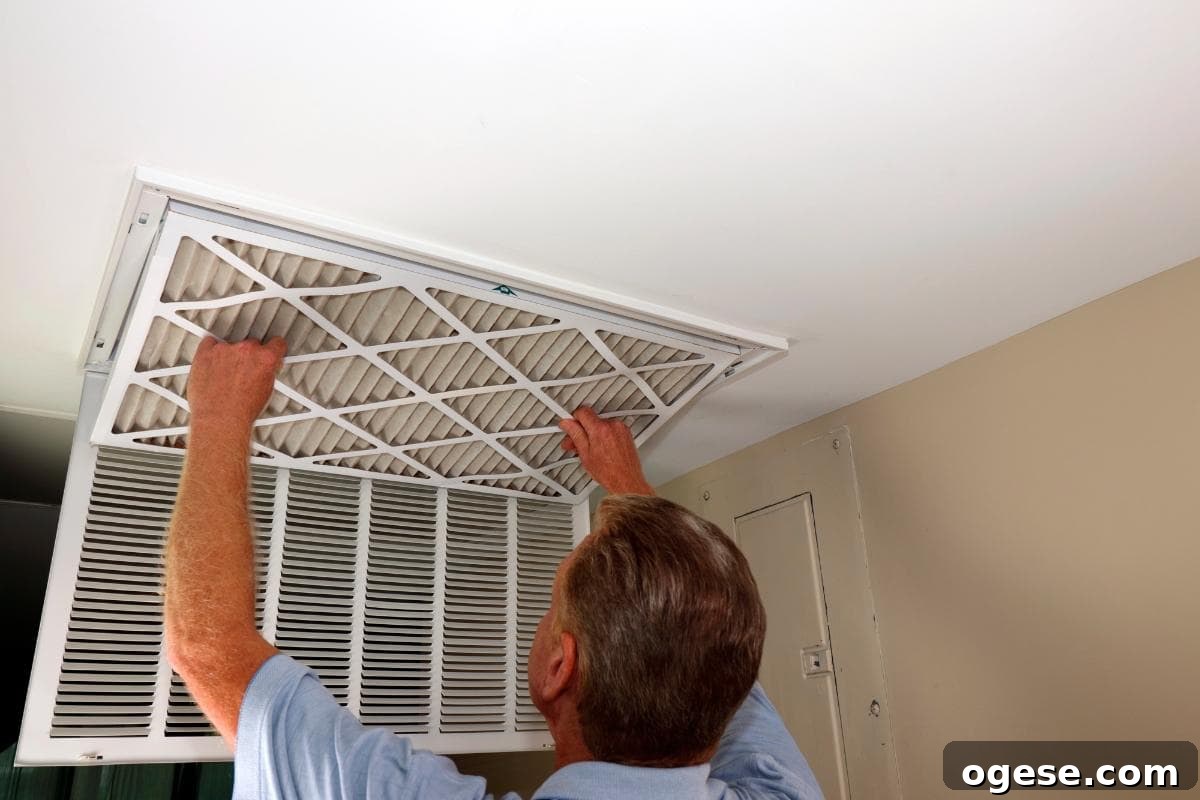
Replace Air Filters Regularly
The air filter protects your furnace from dust, dirt, and allergens. As filters collect particles, they become restricted and force the system to work harder, which raises energy consumption and accelerates wear. A clogged filter can even cause the furnace to overheat or shut down.
Check the filter every month during peak heating season and replace it every one to three months, following manufacturer guidance and considering household conditions. Clean filters improve indoor air quality by trapping pollutants, reduce strain on components, and help lower energy costs.
Homes with shedding pets, smokers, or allergy sufferers should replace filters more often to maintain good air quality.
Inspect and Calibrate the Thermostat
A miscalibrated or failing thermostat can cause uneven temperatures, inefficient heating cycles, and unnecessary energy usage. Test your thermostat by adjusting the setpoint and observing how the furnace responds: it should turn on promptly and maintain the chosen temperature. If it doesn’t, recalibration or replacement may be needed.
Upgrading to a programmable or smart thermostat adds convenience and potential energy savings by allowing scheduled temperature control and remote access. Targeted heating reduces runtime when the house is empty while keeping it comfortable when needed.
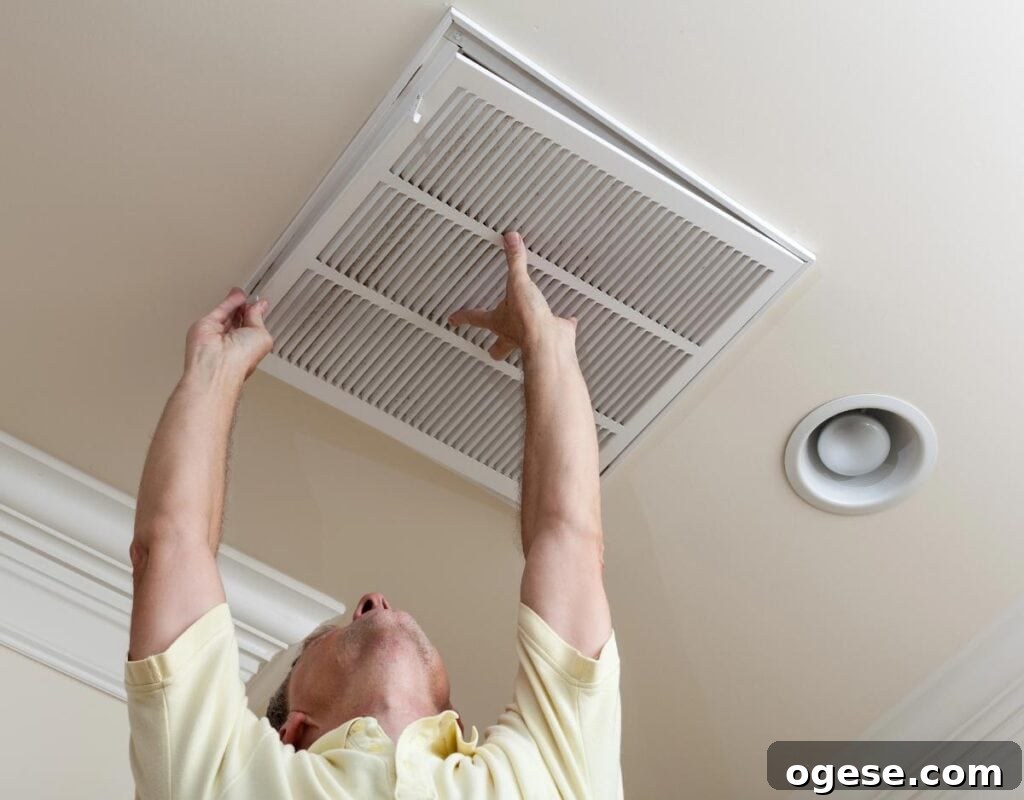
Clean Vents and Registers
Dirty or blocked vents restrict airflow and force your furnace to work harder, increasing energy costs and causing uneven heating. Inspect all vents and registers regularly and remove dust and debris with a vacuum and a damp cloth. Check behind furniture, under rugs, and near drapes that can obstruct flow.
In homes with pets or high dust levels, more frequent checks will help ensure consistent warmth and better indoor air quality throughout the house.
Schedule Professional Inspections
An annual inspection by a certified HVAC technician is one of the best investments in furnace health. Technicians can spot early signs of wear, test for electrical issues, and inspect the heat exchanger for cracks that could lead to carbon monoxide leaks. Professional service includes cleaning internal parts, lubricating moving components, checking safety controls, and ensuring mechanical and electrical connections are secure.
These comprehensive checkups identify inefficiencies and hazards you might miss and allow timely repairs. Annual service is especially important for older units or systems that run frequently, reducing the chance of failure when you need heat most.
Monitor Carbon Monoxide Levels
Carbon monoxide (CO) is a colorless, odorless gas produced by incomplete combustion and poses serious health risks. Install CO detectors on every floor, especially near bedrooms and the furnace, and test them monthly. Replace batteries at least twice a year—many people align this with daylight saving time changes as a reminder.
If a CO alarm sounds, evacuate immediately and contact emergency services. Timely detector maintenance is a critical safety measure for every household with combustion appliances.
Ensure Proper Ventilation
Proper ventilation allows your furnace to expel exhaust gases safely and draw in the fresh air needed for efficient combustion. Blocked outdoor vents or chimney flues can cause incomplete combustion and backflow of dangerous gases into your living space.
Keep outdoor exhaust vents and air intakes clear of snow, leaves, nests, and debris, especially after storms. Regular visual inspections for corrosion, rust, or animal activity around vents help prevent safety issues and maintain reliable operation.
Keep the Furnace Area Clear
Maintain at least three feet of clearance around the furnace and avoid storing flammable items nearby. A clear area reduces fire risk and gives technicians room to perform maintenance or repairs quickly. Good clearance also promotes proper air circulation around the unit and prevents accidental blockages of intake and exhaust openings.
Listen for Unusual Noises
Unusual sounds from the furnace or ductwork—rattles, bangs, squeals, or grinding—often indicate worn parts, blower issues, or airflow problems. Addressing these noises promptly can prevent more extensive damage. If you can’t resolve the cause, schedule a professional inspection to diagnose and repair the issue.
Consistent furnace maintenance protects comfort, improves energy efficiency, and enhances safety during winter. By following these tips and seeking professional help for anything beyond basic upkeep, you’ll extend your system’s life and enjoy reliable, efficient heating for years to come.